Local Guides
Mimico Carpet Replacement: What Comes Up and What Goes Down

Carpet replacement in Mimico starts with what is under the carpet, and that changes from street to street. In the 1950s and 1960s apartment buildings between Lake Shore Blvd W and the lake, it is a concrete slab. In the older houses and bungalows, it is a wood-framed floor. Lift a corner in a closet before you choose anything.
What is under the carpet in Mimico homes?
Mimico was built in layers, and each layer put something different under its carpet. The City of Toronto's Mimico 20/20 report counts about 2,600 units in low to mid-rise apartment buildings, mostly from the 1950s and 1960s, on the lots between Lake Shore Boulevard West and the water. Grand Harbour at 2285 Lake Shore Blvd W, just west of Mimico Creek, added towers of 27, 20 and 17 storeys between 1989 and 1991.
| Building type | Usually underneath | What to check first |
|---|---|---|
| Older house or bungalow | Wood subfloor on joists | Soft spots, squeaks, and any older floor left under the pad |
| 1950s and 1960s apartment building | Concrete slab | Old adhesive or tile, and the landlord's sign-off |
| Grand Harbour towers (1989 to 1991) | Concrete slab | The corporation's written flooring rule and underlay |
On a slab, the carpet usually sits on a foam or rubber pad held by wooden tack strips nailed or glued around the edge. In a house, the pad sits on wood, and sometimes on an older floor someone covered rather than removed. You only find out by looking, so a corner lifted inside a closet tells you more than any listing photo.
Who signs off on a hard floor in a Mimico apartment?
In most of the Lake Shore apartment buildings, the landlord does. The Mimico 20/20 report notes the majority of those 2,600 units are rental, so a tenant who wants carpet gone asks the landlord or property manager, and the landlord decides on the floor, the installer and who pays.
Owners in a condominium, such as a suite at Grand Harbour, answer to the corporation instead. Carpet soaks up footsteps, and a hard floor on a concrete slab carries them to the suite below, which is why boards care about the change. The requirements come from the corporation's declaration, by-laws and rules, so ask management for the flooring rule in writing. Our page on condo flooring and building approvals covers what management usually wants to see.
Newer suites are coming too. The Mimico-by-the-Lake Secondary Plan, recommended in a 2013 City staff report, allows tall buildings up to 25 storeys on older apartment sites. Each new corporation writes its own rules, so a neighbour's approval in the next tower does not carry over to yours. For the paperwork itself, see what Toronto condo boards ask for.
How the carpet comes up, and what slows the day down
Carpet is the quick part. The crew cuts it into strips, rolls it with the pad, pulls the tack strip and clears whatever held the pad down. Removal is priced by what is on the floor now, because the labour and the disposal both change with it.
The slower days come from what was hiding under the pad. Glued vinyl gets pried up and scraped. Ceramic tile is chipped off with dust containment, which makes a much longer day, and transfer stations charge by weight, so tile with mortar on it costs several times what carpet does to dump.
In a house, loose subfloor boards get screwed down and squeaks fixed first, because a floating floor will not hide them.
Which hard floors suit a Mimico carpet replacement?
The building type decides more than taste does. On the concrete slabs of the Lake Shore apartments and the Grand Harbour towers, floating floors go straight down over an underlay. In a house on joists, a floor that is nailed down is an option too.
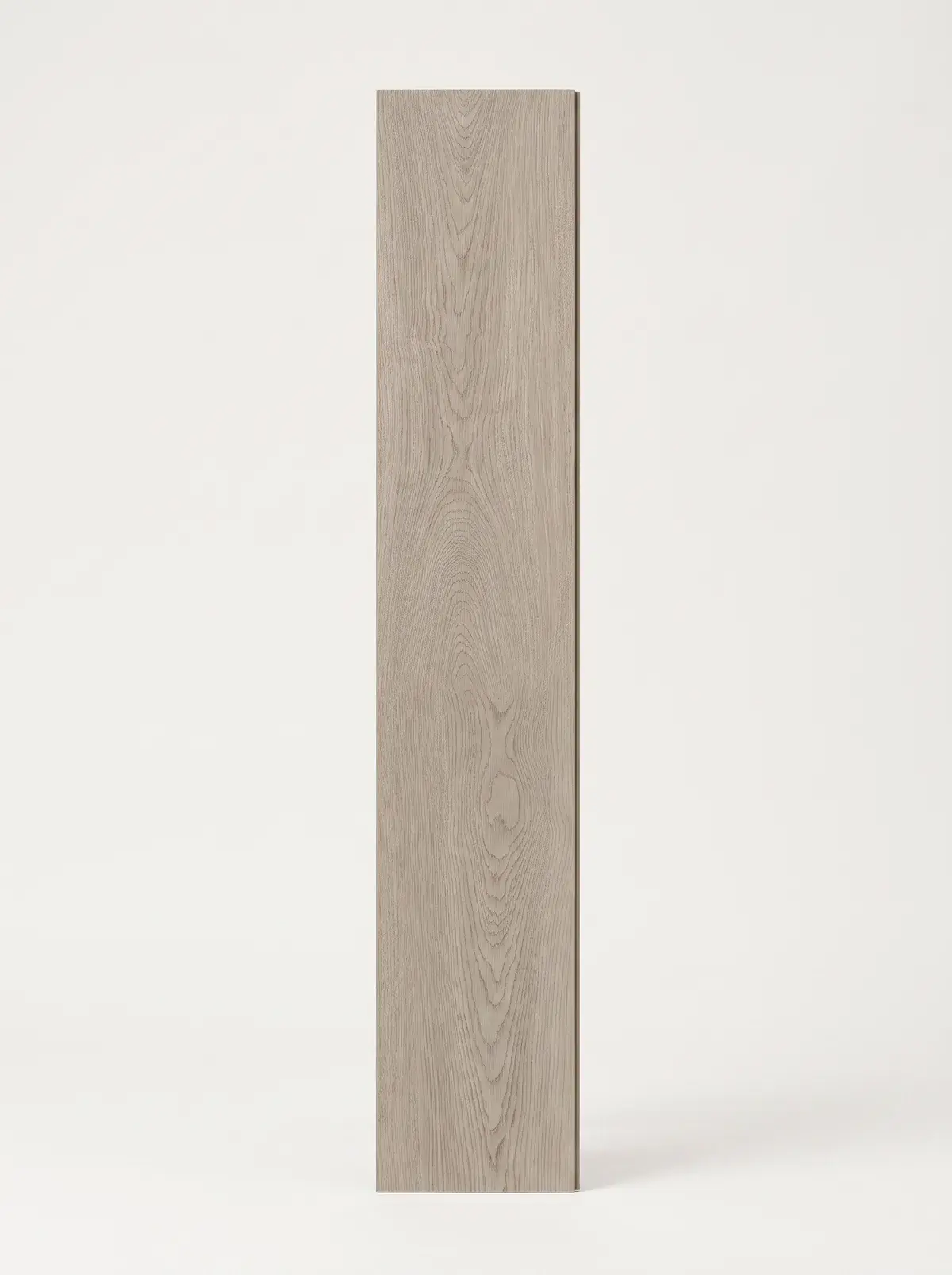
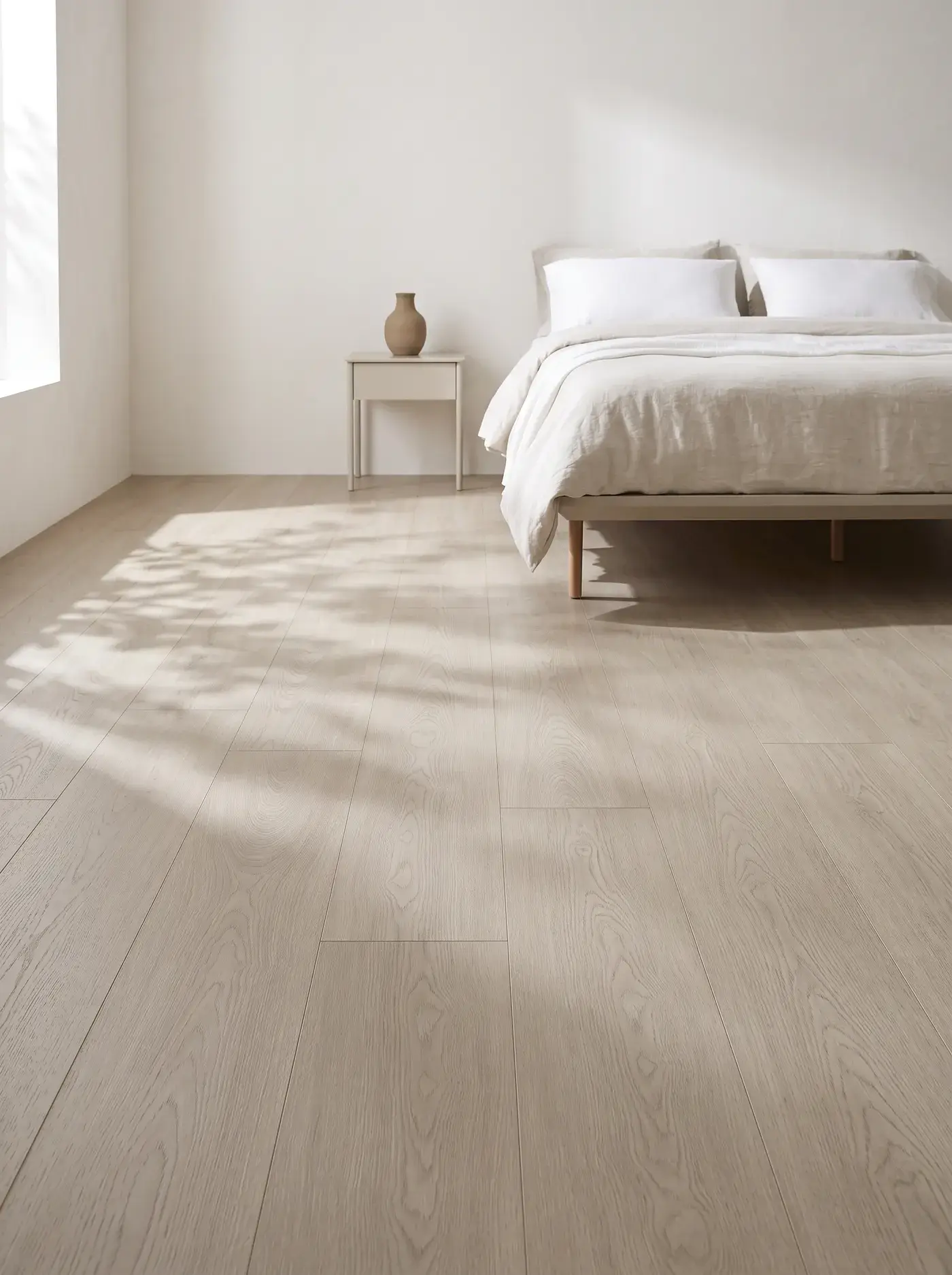
- SPC vinyl on a slab. The Marina SPC collection has an attached pad and clicks together, and its stone and polymer core does not swell when wet. It is firmer and cooler underfoot than carpet, which surprises people in a bedroom. Check whether the building wants an extra underlay under the attached pad.
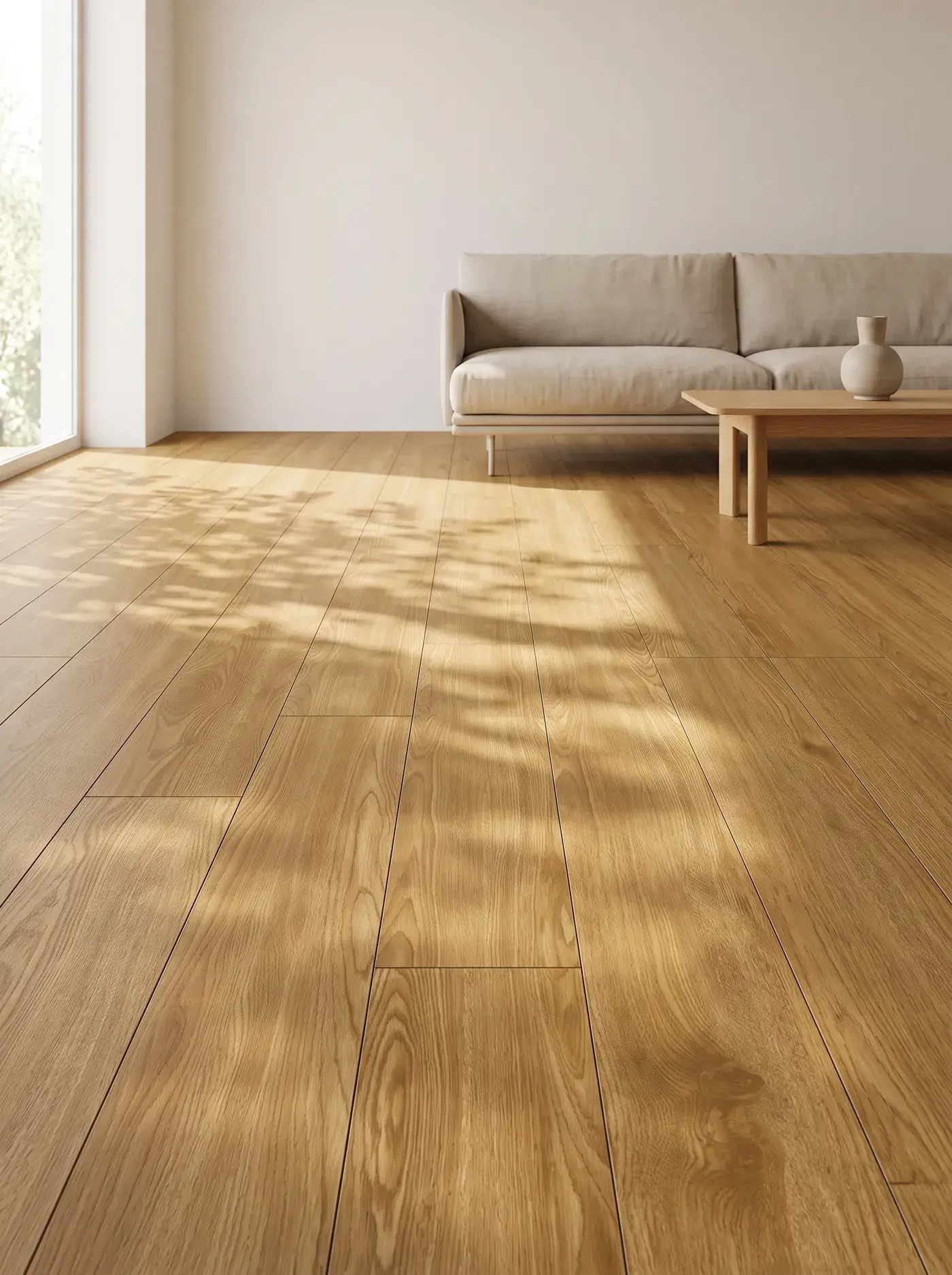
- Laminate on a slab. Harbour is rated for 24 hours of surface water and Lakeshore for 72 hours, both AC4 and click-lock floating. Laminate usually costs least, but water that reaches the walls is still the risk, so it suits bedrooms and living rooms better than a kitchen entry.
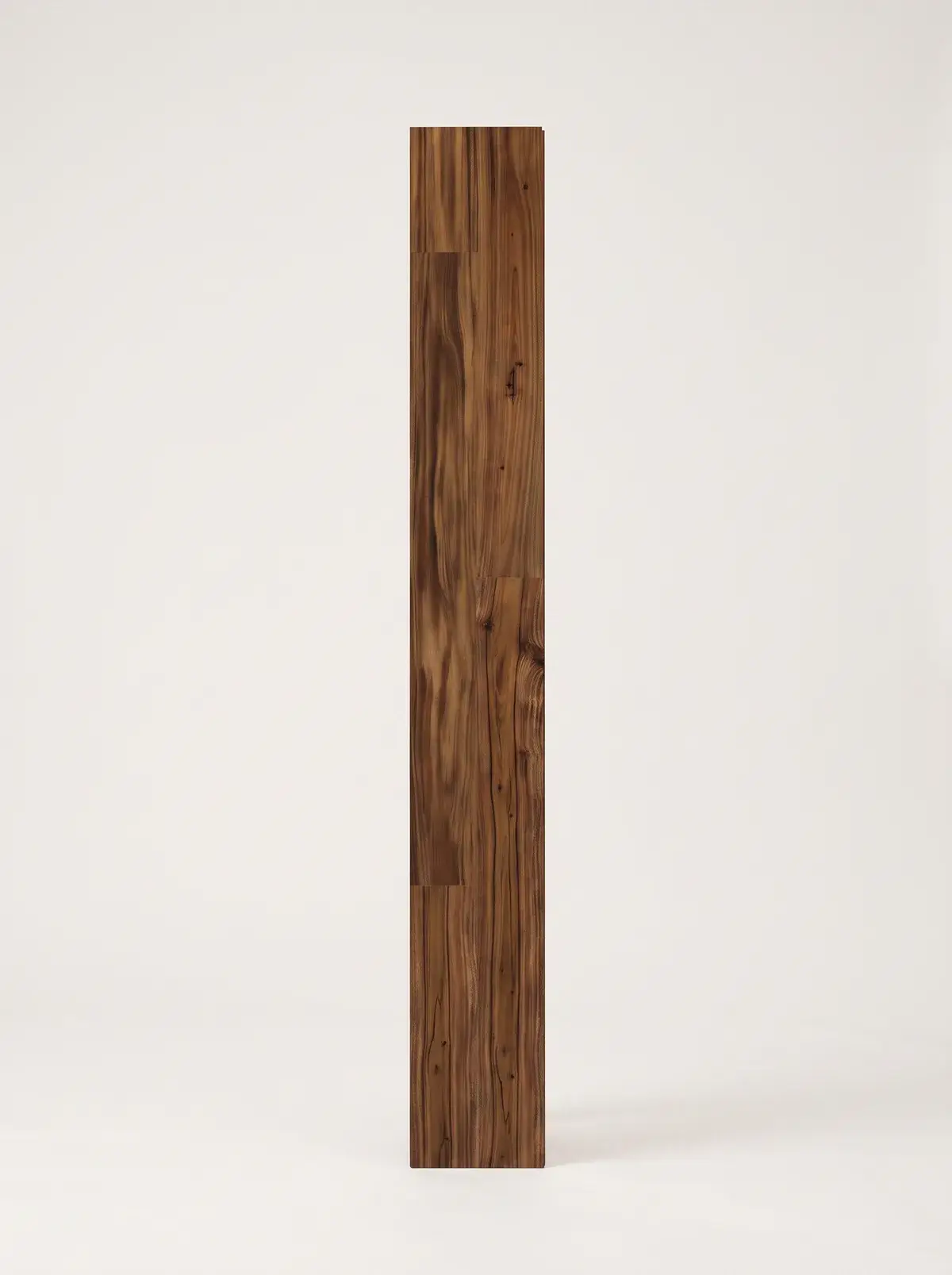
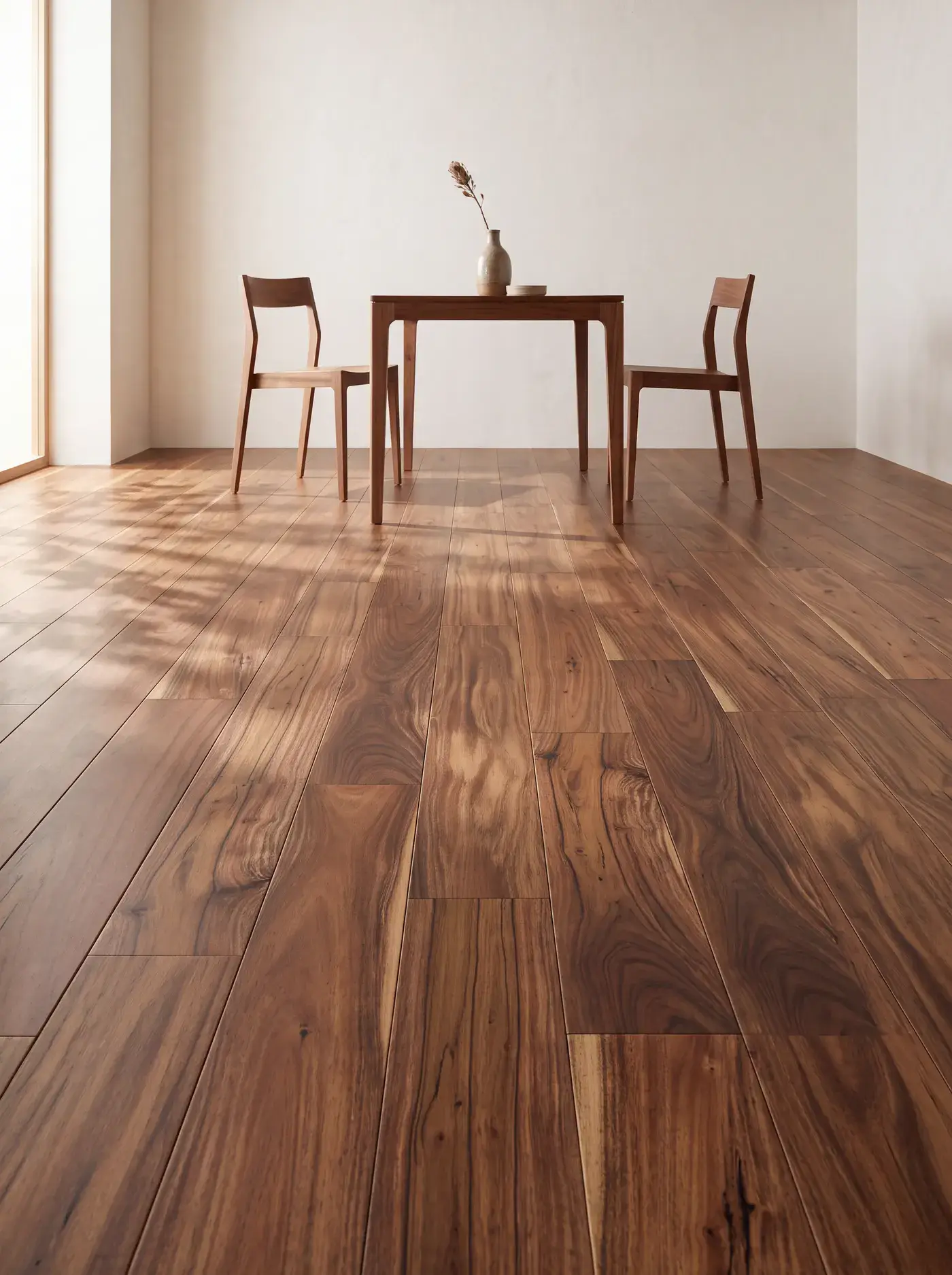
- Wood in a house. Kingsway and Atelier engineered hardwood nail down or glue down, and Estate solid hardwood can be sanded and refinished later. Both dent, and solid hardwood cannot go over radiant heat. See engineered and solid hardwood floors for the trade-offs.
Floorrable checks the floor you shortlist against the written rule before anything is ordered, so a condo owner does not order a floor the board has not seen.
What to do before the carpet comes up
- Lift a corner of carpet in a closet and photograph what is under the pad: concrete, wood, adhesive or tile.
- Renting? Ask the landlord in writing. Own a condo suite? Ask management for the current flooring rule.
- If the photo shows old tile in a 1950s or 1960s Lake Shore apartment, or any building from before 1990, book an asbestos test before any removal.
- With that in hand, get a price range for your unit. Removal is priced by what comes up, and the free measurement confirms what is under the carpet before Floorrable orders anything.
Floors that fit this guide
Browse every floor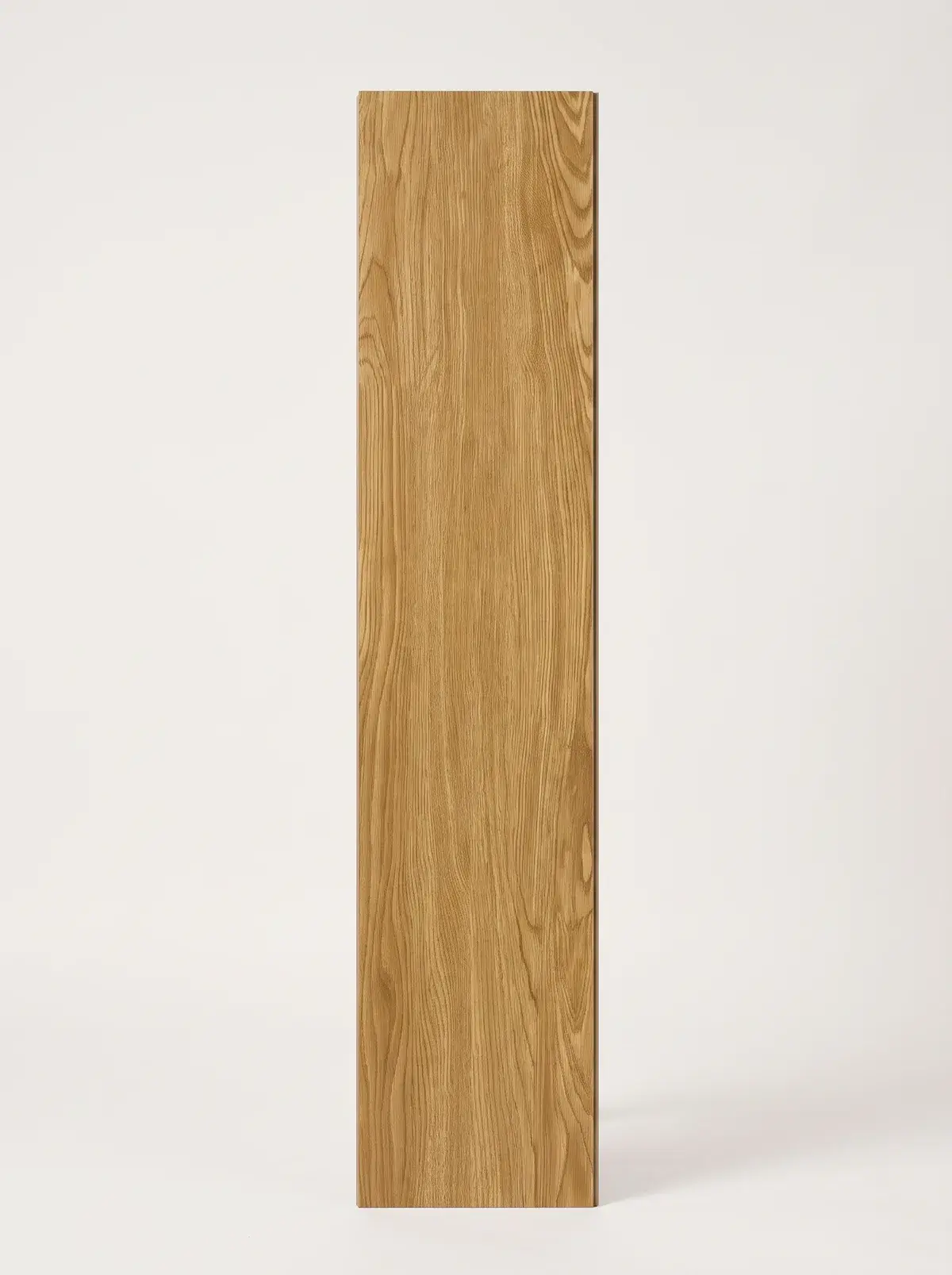
Frequently asked questions
In the 1950s and 1960s apartment buildings along Lake Shore Boulevard West, and in the Grand Harbour towers, carpet usually sits on a pad over a concrete slab. Some units have older glued vinyl or tile under the pad, so lift a corner in a closet before pricing removal.
Only with the landlord's written permission. Most of Mimico's 1950s and 1960s apartment units are rental, so the landlord or property manager decides whether the carpet goes, which floor replaces it and who pays. Put the request in writing and keep the reply.
It can. Carpet and pad absorb footsteps, while a hard floor on a concrete slab passes more impact noise down to the suite below. That is why condo corporations set flooring rules for the finished floor and underlay, and why the written rule should come before choosing a plank.
Yes, in any building from before 1990. Health Canada lists floor tiles among the products that may contain asbestos and advises professional testing before renovating. Tile left undisturbed is not a significant risk, so stop at the discovery and test before anyone chips or scrapes it.