Costs & Planning
Replace Condo Flooring Before Moving In: Timing

Yes, replace the flooring before moving in whenever the closing date leaves you an empty unit first. An empty condo is the fastest floor to install: no furniture to shift, no living around the work. The catch in Toronto is board approval, which has to clear before anything is ordered.
Should you replace flooring before moving in?
For most condo buyers, the answer is yes, and the reason is timing.
An empty unit is the one time a floor goes down with nothing to work around. The crew runs room to room, the free moving option costs you nothing because the rooms are already clear, and you never have to live on a work site or push a sofa wall to wall for a week. That ease disappears the day the moving truck arrives.
The one thing that can spoil it is approval. A hard floor in a Toronto condo almost always needs the board to sign off, and how condo approvals work decides what you are allowed to put down. Leave that unsettled and the board, not the floor, controls your calendar.
Should you change the carpet before move-in day too?
If the unit came with builder carpet, the empty window is the moment to change it. Carpet is the easiest surface to tear out, and pulling it before your furniture arrives means the dust, the tack strips and the offcuts leave with the crew rather than piling up around your boxes.
How long does flooring take in an empty condo?
There is no fixed number of days, and anyone who gives you one up front is guessing.
The honest answer is set by your building, not by the floor, and it comes down to three things that run one after another rather than at the same time. How condo flooring installation works walks through them in order.
- Board approval, where the corporation decides how fast it reviews an application, and some boards sit only once a month.
- Material lead time, which is short for a stocked collection and longer for a special order that waits on the supplier.
- The service elevator, which towers hand out by the half day and busy buildings reserve weeks ahead.
Start board approval before you get the keys
You usually cannot file the application before closing, because the corporation deals with the owner on title. You can still do everything that comes before filing: ask the listing agent or the management office for the declaration, the rules and the flooring policy, and read the acoustic requirement so you shortlist floors that already qualify.
Line up the seven steps from estimate to walk-through in advance, and the paperwork can go in the day the unit becomes yours instead of a week later.
A brand new build is its own case. During interim occupancy the declarant still runs the building, so the flooring rule you must follow then can differ from the final declaration the corporation adopts later. In Ontario, that declaration and its rules decide what may go down, so ask the builder which rule applies before your occupancy date, not after it.
Movers, the elevator and install day
Treat the install and the move as two separate bookings, not one, because they compete for the same service elevator.
Whether it is a downtown tower or an Etobicoke mid-rise, put the floor in first while the unit is empty, let the transitions and baseboards finish, then bring the movers on a later day. Stacking both on one morning is how a crew ends up waiting in the lobby for an elevator that is already spoken for.
If some furniture has already landed, what supply and install includes covers the float method, where a room is done in halves and your things move across to the finished side. It works, but it is slower, which is the whole case for using the empty window while you have it.
What to do before your move-in date
- Ask the property management office for your building's flooring rule in writing.
- Shortlist floors that meet it, and see the samples before you settle on one.
- When the rule is in hand, get a price range for your unit. The building check and the free on-site measurement come before any order, so your firm price and install date are locked in ahead of the move.
Floors that fit this guide
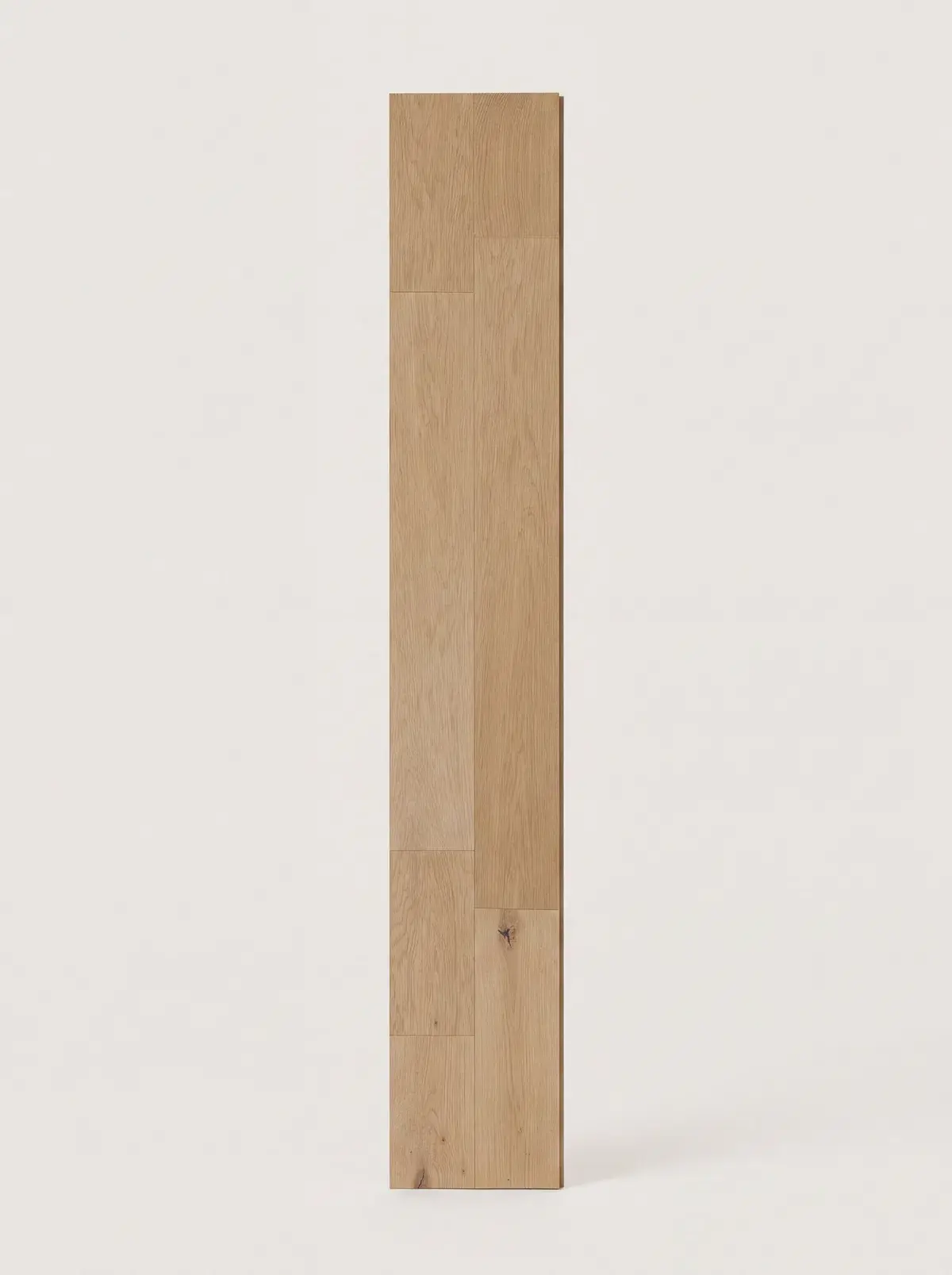
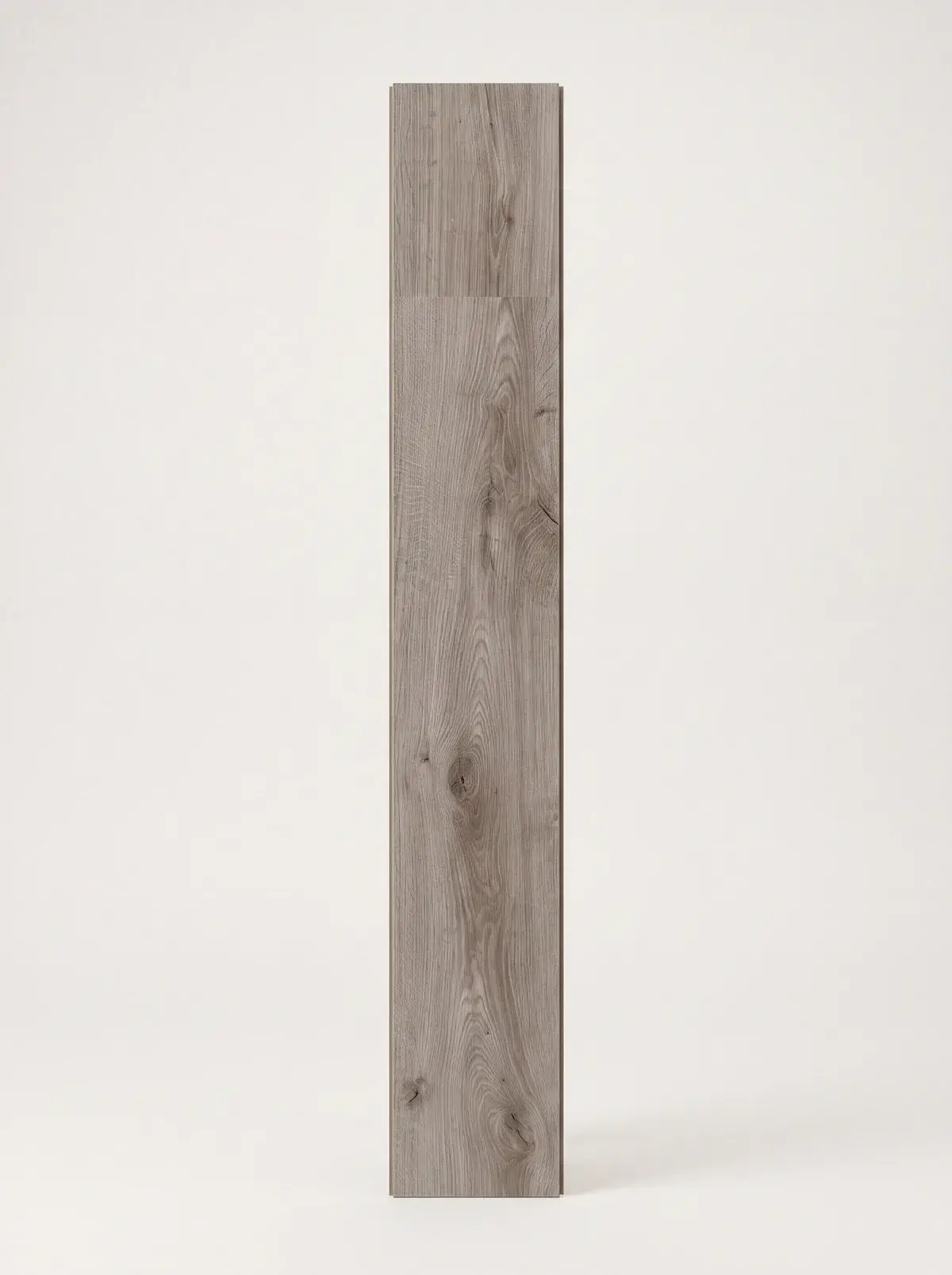
Browse every floor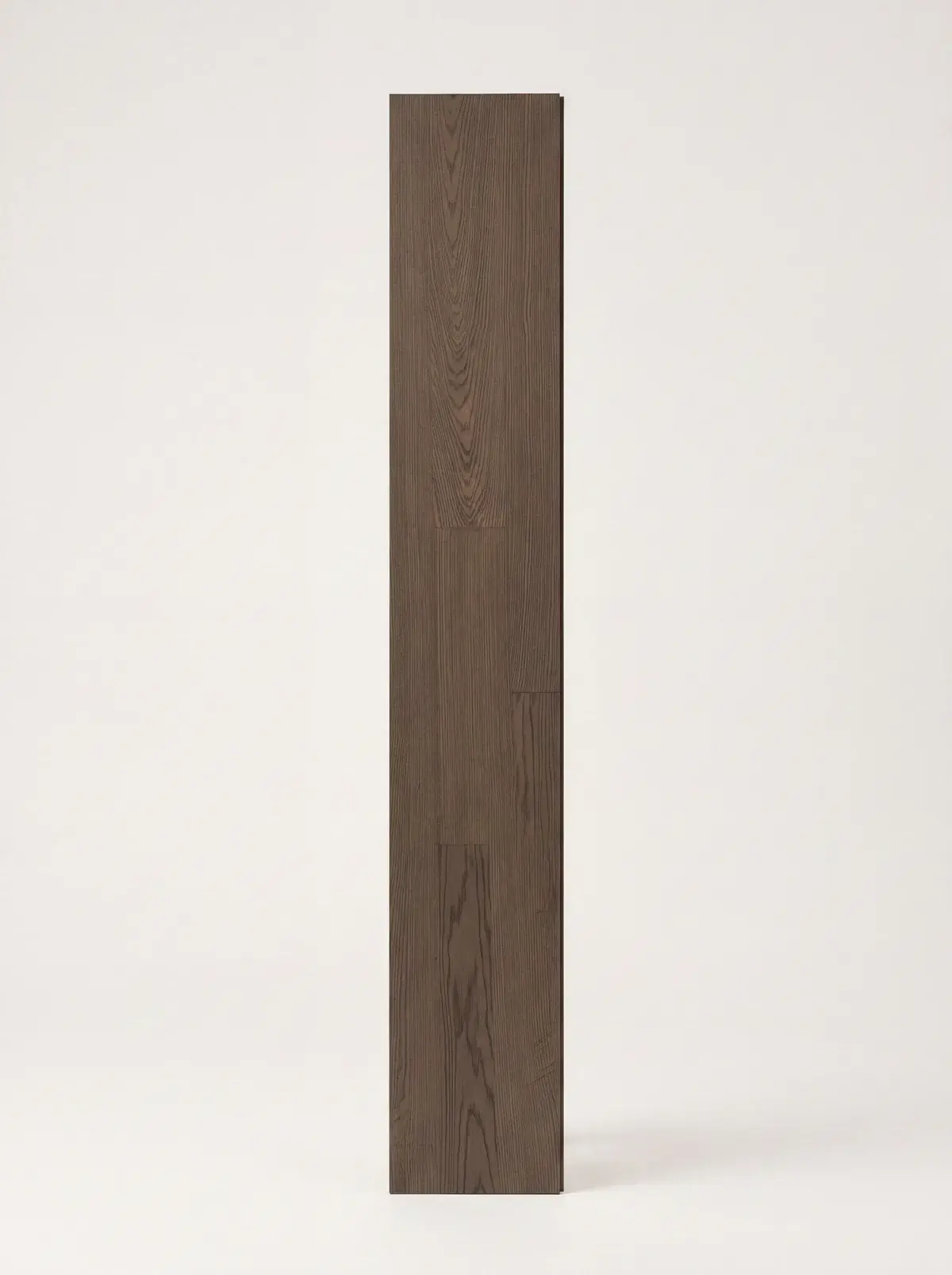



Frequently asked questions
An empty unit does not change the price per square foot, but it removes the furniture moving step that most condo owners would otherwise pay for. The install also runs faster, because the crew works room to room without stopping to shift belongings across a half-finished floor.
Before closing you are not yet the owner, so most Toronto corporations will not process an application from you. You can still request the declaration, rules and flooring policy, read the acoustic requirement, and have the paperwork ready to file the day the unit becomes yours.
Leave room for three steps that do not overlap: board approval, material ordering and the building's elevator booking. None has a set length, so ask management how long reviews take and confirm the lead time on your chosen floor before you lock in a moving date.
Usually yes. In a new Toronto building the declarant sets the early rules and the interim occupancy terms, and the corporation takes over later. Ask the builder or management which flooring rule applies during occupancy, because it can differ from the final declaration.