Costs & Planning
DIY Flooring vs Professional Install for a Condo
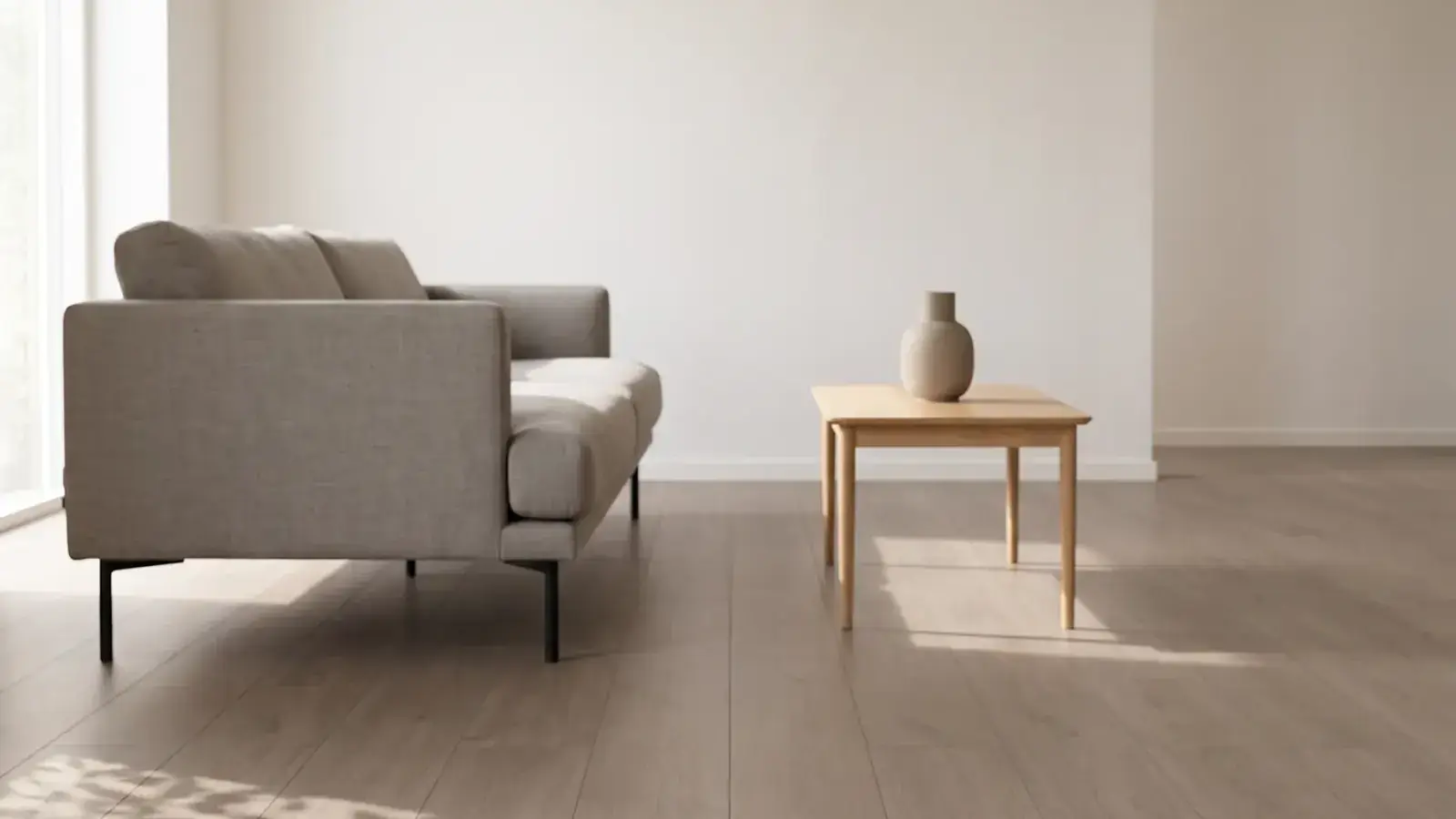
DIY flooring works for a capable owner laying a click-lock SPC or laminate floor in an empty, level condo room. Hire a professional when the slab needs levelling, the floor glues or nails down, there are stairs, or the building wants installer paperwork. Doing it yourself saves the labour and puts the warranty and the unit below on you.
DIY flooring vs professional, job by job
The split is about the floor's installation method and what sits under it, not about skill in general. A floating click floor forgives a lot. Anything bonded to the slab does not.
| Job | Owner can do it? | Why |
|---|---|---|
| Click-lock SPC or laminate in an empty, flat room | Yes, with patience | Floats over the pad or underlay, and a bad row unclicks |
| Levelling dips in a concrete slab | Rarely | Compound has to feather out flat under a straightedge before any plank goes down |
| Glue-down engineered hardwood | No | Adhesive sets as you go, so a crooked row cannot be lifted and relaid |
| Stairs | No | Every tread is measured, cut and finished on its own |
| Herringbone or chevron | No | Each piece sets the next, so a small error grows across the room |
Can you install flooring yourself in a Toronto condo?
Usually, if the condo corporation approves the floor. Who lays it is a second question. Toronto condo corporations set flooring requirements in their declaration, by-laws and rules, and the application normally asks for the floor, the underlay and the dates. Some forms also ask for the installer's details or an insurance certificate, so ask management whether an owner can be listed as the installer before you buy tools.
The building's other rules still apply to you: permitted work hours, a service elevator booking, protection for the halls and a plan for the old floor. Read how condo approvals work before you commit to a weekend.
Is vinyl plank hard to install?
Laying the field of a room is not. SPC vinyl scores with a utility knife and snaps, and drop-click ends like the Marina Collection's tap down without a saw. The hard parts are the edges: undercutting door jambs so planks slide beneath, scribing around a toilet or kitchen island, keeping the expansion gap at every wall and fitting transitions at doorways. Most first-timers lose their day to the first row, because a wall that wanders throws every row after it.
Engineered hardwood is harder. Over a condo slab there are no joists to nail into, so it is glued down, which means trowel, adhesive, open time and no second attempt. If you want SPC vinyl plank floors for a DIY job, check the slab with a long straightedge first: dips a click floor cannot bridge make the joints flex and open.
How much do you save by installing flooring yourself?
You save the labour line and nothing else. The material, underlay, transitions and the extra boxes for cutting waste cost the same whoever installs them.
Then come the costs a quote usually folds in. Tools: a mitre or jamb saw, a pull bar, a tapping block, spacers and a straightedge. Removal: the old floor has to go to a transfer station that charges by weight, and tile with its mortar weighs far more than carpet; in a tower every bag also rides the service elevator during the building's permitted hours.
Furniture has to move twice, out of the room and back. Baseboards come off before the floor and go back on after, and where they sat on carpet a hard floor can leave a gap that needs quarter round. A gas range or dryer is its own problem: Ontario reserves gas line disconnection for a technician certified by the Technical Standards and Safety Authority (TSSA), so that is a booking either way. See what supply and install includes for how those items are handled on a Floorrable job.
What flooring mistakes can void a warranty?
Manufacturer warranties are written around the installation instructions in the box, so a floor laid against them can lose coverage. The mistakes that come up most on owner installs:
- no expansion gap at walls, cabinets and door frames, so the floor buckles when it grows in summer;
- a slab that is out of flat beyond the instructions' limit, which strains the click joints;
- adding a second underlay under a plank that already has an attached pad, when the instructions say not to;
- skipping the acclimation and moisture steps the instructions set out for concrete;
- laying a floor over radiant heat that is not approved for it (the Estate Collection's solid hardwood is not).
Floorrable lays every collection to those instructions, which protect a 35 year residential warranty on most lines and 25 years on the Marina Collection. Every job also gets a checklist (subfloor level, moisture and soundness, expansion gaps and transitions to the manufacturer's spec) and photos of the bare subfloor and the underlay before the planks cover them.
Which jobs to hand to a professional
- Anything glued or nailed down, and any slab that fails the straightedge test.
- Stairs, which are quoted by hand from your answers and a photo: see how stairs are quoted.
- Any building that wants an installer's paperwork you cannot supply as an owner.
- For the rest, compare your weekend with a price: get a price range for your unit, and the free measurement turns it into a firm figure with prep, removal and moving included.
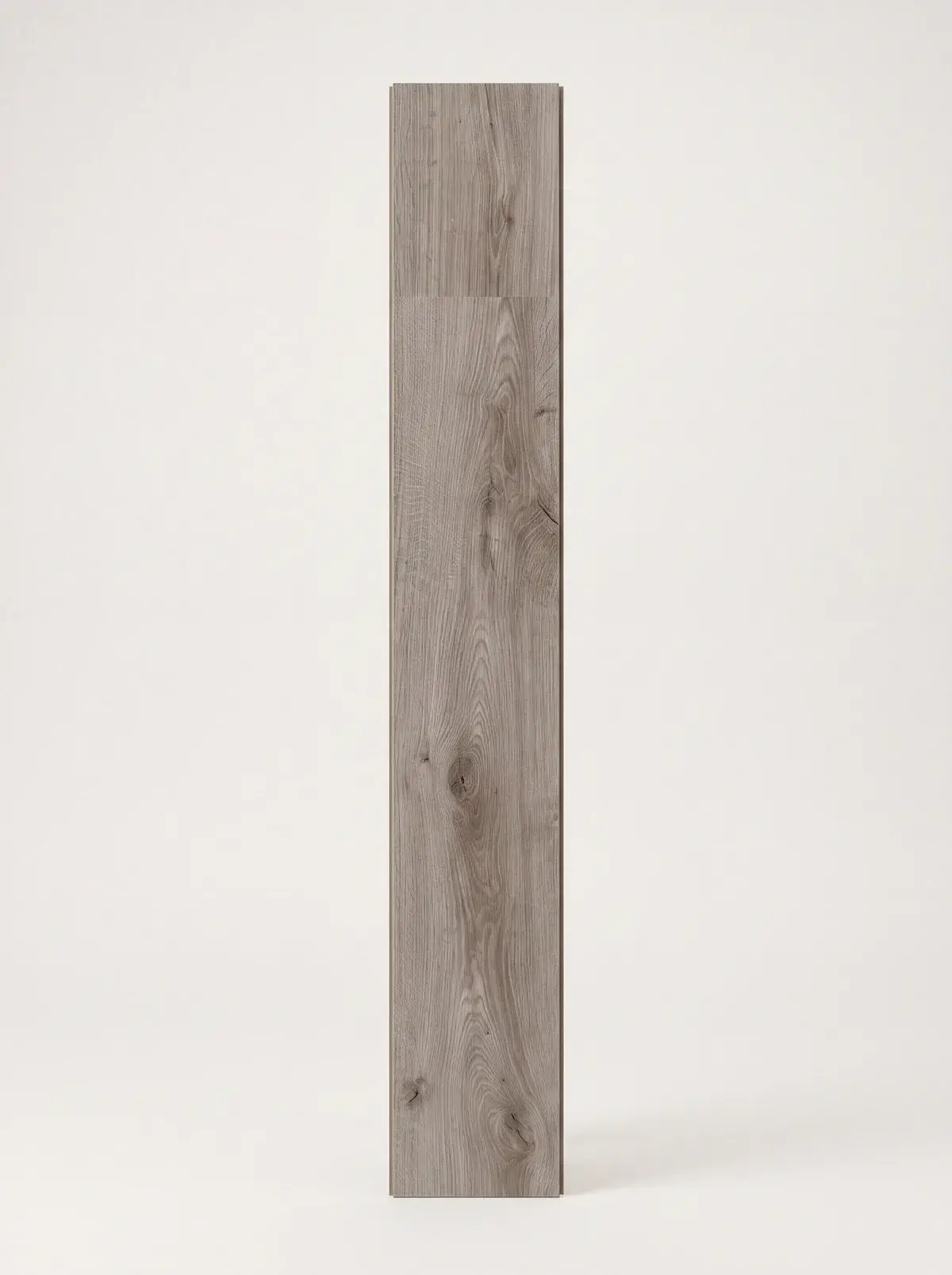
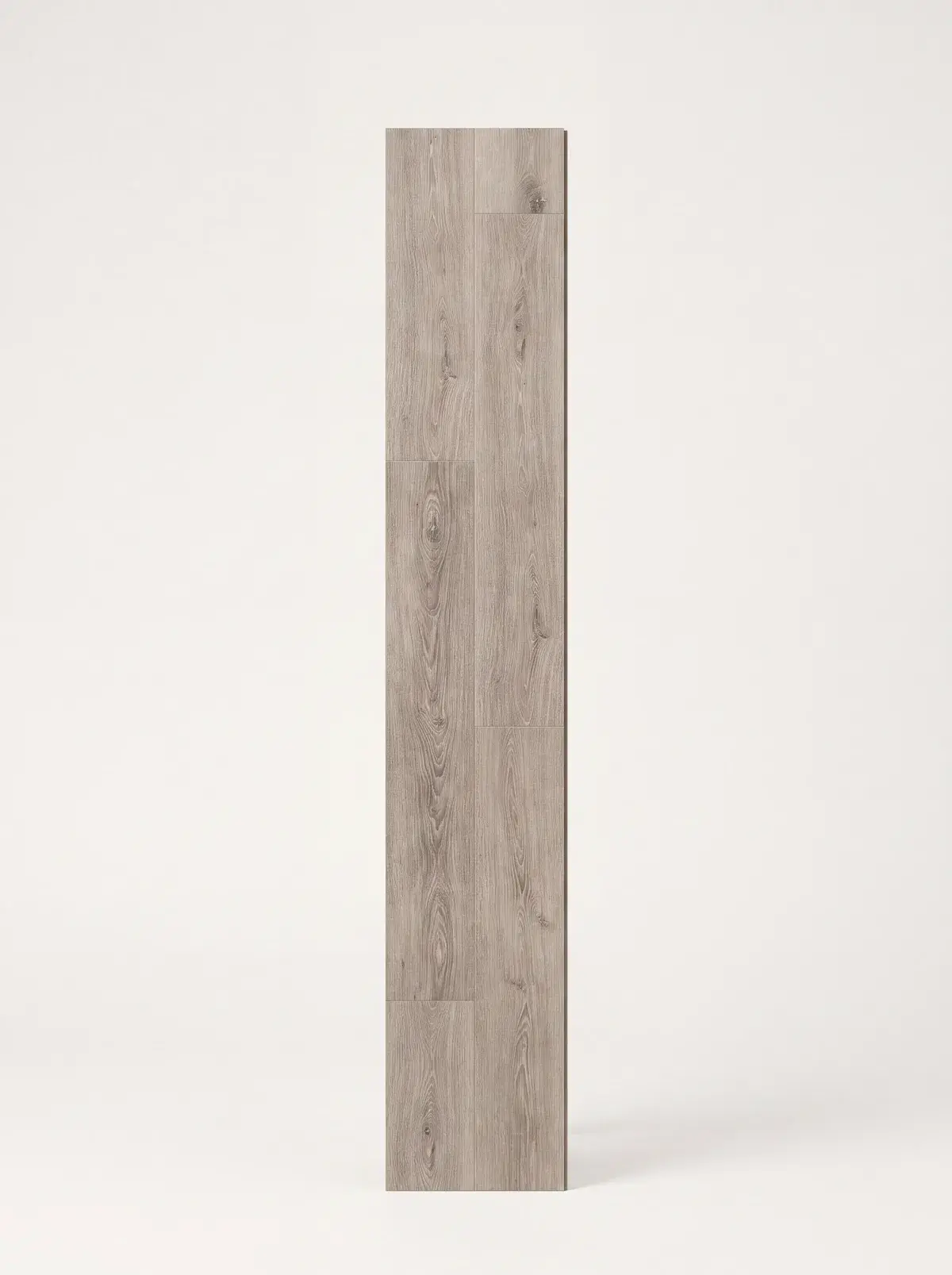
Floors that fit this guide
Browse every floor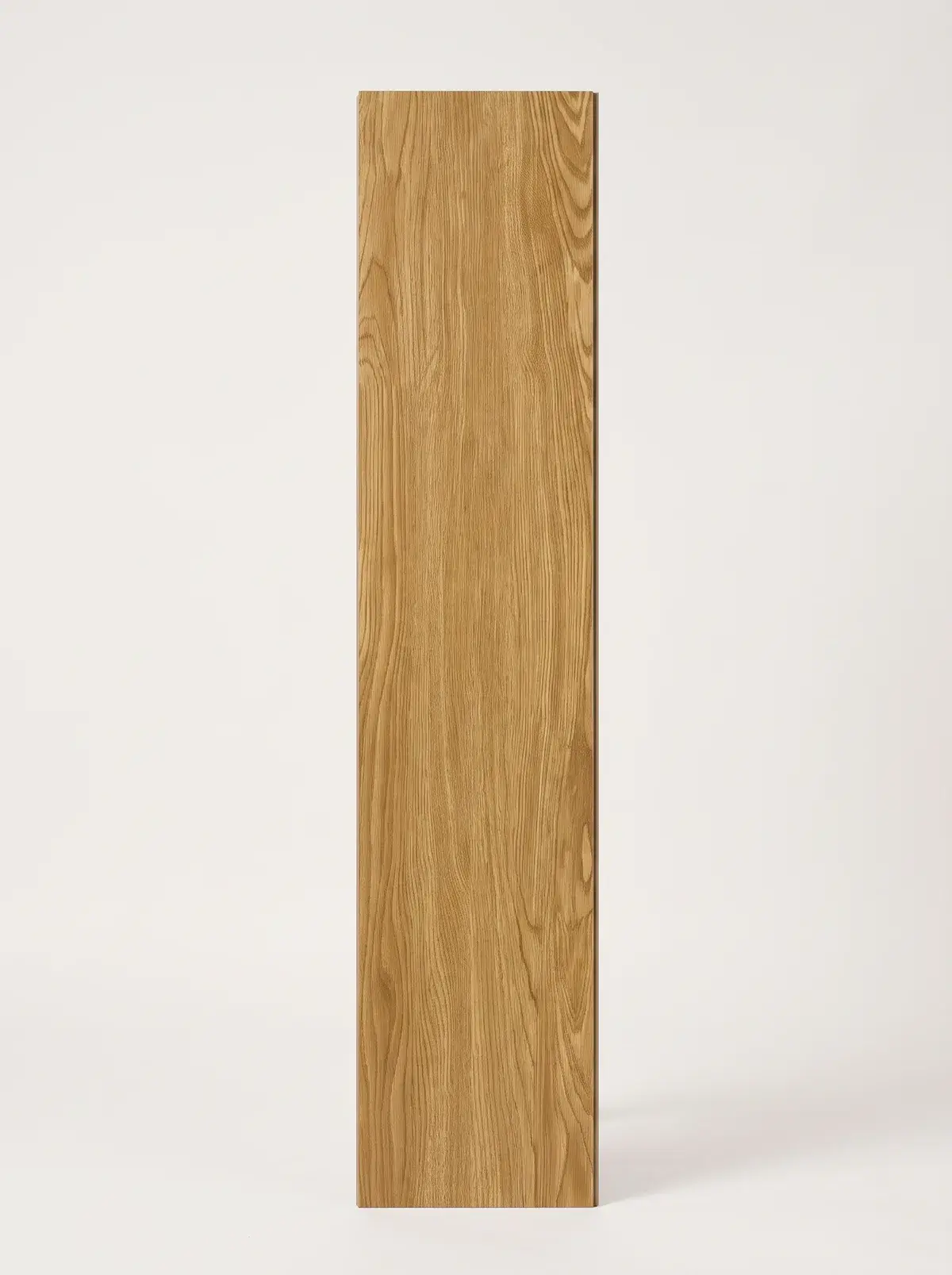


Frequently asked questions
Often yes, once the condo corporation approves the floor and underlay. Some buildings also ask for the installer's details or an insurance certificate, which an owner may not be able to supply. Ask the property management office whether an owner can be named as the installer before buying material.
The open middle of a room is manageable for a careful owner, because click-lock SPC cuts with a utility knife. Door jambs, toilets, islands, transitions and a straight first row take most of the time, and a slab that is not flat will open the joints later.
Missing expansion gaps, an uneven slab, a second underlay under an attached-pad plank, skipped acclimation or moisture steps, and an unapproved floor over radiant heat are the usual ones. Each goes against the manufacturer's installation instructions, which the residential warranty is written around.
Yes, for most owners. A concrete slab has nothing to nail into, so engineered hardwood is glued down, and the adhesive sets while you work. A crooked row cannot be lifted and relaid the way a click floor can, so most owners leave glue-down to a professional.