Costs & Planning
Flooring Installation Warranty vs Manufacturer Warranty

A flooring installation warranty covers the work: gaps, lifting edges, squeaks and trim that trace back to how the floor went down. The manufacturer's warranty covers the material itself, and only while its conditions are met. Before you sign a quote, get both terms in writing and ask who you call first.
What does a flooring installation warranty cover?
It covers faults in the installation, not in the plank. Planks that peak or buckle because the expansion gap at the walls was cut too tight, a hollow spot where the subfloor was never levelled, a transition strip working loose at a doorway: those are workmanship problems. The installer gives this warranty, so its length and wording vary from company to company, and a verbal promise is worth very little once a problem appears.
Floorrable's workmanship warranty is stated plainly: if an issue traces back to the installation, Floorrable makes it right. It sits beside the manufacturer's warranty rather than replacing it, and nothing in either takes away your rights as a customer in Ontario.
What does the manufacturer's warranty cover?
The manufacturer's limited residential warranty covers the material and its factory finish. For the floors Floorrable installs, that means manufacturing defects, a factory finish wearing through under normal residential use, ply separation on engineered floors, and a one-time replacement for subfloor-moisture failure on engineered floors, with conditions.
The term depends on the line. Most collections carry a 35 year residential warranty, and the Marina Collection of SPC vinyl carries 25 years. These warranties apply to the original purchaser in the original installation, cover material rather than labour, and never cover solid hardwood laid over radiant heat. The certificate for your exact collection comes with the quote, the collections themselves can be compared at the Floorrable showroom in Etobicoke, and the full list is on the flooring warranty terms page.
| Problem | Usually traced to | Which warranty |
|---|---|---|
| Planks peaking or buckling at the walls | Expansion gap cut too tight | Installation |
| Hollow spot or flex underfoot | Subfloor not levelled | Installation |
| Finish worn through in normal use | The factory finish | Manufacturer |
| Engineered layers separating | Ply separation | Manufacturer |
| Swelling after a dishwasher leak | Water from an appliance | Neither |
What voids a flooring manufacturer warranty?
Mostly what happens after installation day. Steam cleaners, wet mopping and liquid sprayed straight onto the floor are excluded as improper maintenance. So are floods, plumbing accidents and leaking appliances, colour change from sunlight, and dents or scratches from pets, heels, grit or moved furniture.
Climate is the condition owners forget. The warranty expects roughly 35 to 55 percent relative humidity and normal room temperatures year-round, and a Toronto winter with the heat running dries indoor air well below that unless a humidifier is on. Wood floors feel it most. The floor care guide is written to keep you inside these terms.
One exclusion lands on installation day: floors laid with visible defects. Every plank has to be inspected before it goes down, and on a Floorrable job the crew does that check, along with colour, lot number and box count, before the first row.
Does the wrong underlay void a flooring warranty?
It can. Manufacturer warranties require installation to the manufacturer's specifications, and the underlay is part of the specification. In a Toronto condo there is a second rulebook: the corporation's declaration, rules or flooring policy often names an acoustic underlay of its own. The underlay has to satisfy both, which is why the building's requirement is confirmed against the product before anything is ordered. How condo approvals work covers the building's side.
SPC with an attached pad is the common trap. Adding a second underlay beneath it is only safe if the manufacturer's instructions allow that combination, so check them before you buy a roll.
Who do you call when a new floor has a problem?
Call whoever installed it, even when you suspect the material. When a homeowner buys planks from one company and hires another to lay them, a lifting edge can turn into each side blaming the other. With Floorrable you deal with one company for either warranty, and the job's photo record helps sort out which one applies: at least four before shots including the bare subfloor, two during that show the prep and underlay, and four after.
Water from the suite above is the exception. In a Toronto condo, call the property management office first, because the source of the leak decides who deals with it, and neither flooring warranty covers it. Replacing a floor after a condo leak explains what happens next.
The first week is simpler still. For the seven days after the walk-through, tell Floorrable about anything at all, a gap, a squeak, trim not sitting right, and the team comes back to look. There is no claim to file, and it adds to both warranties rather than limiting them.
What to get in writing before you sign
- The manufacturer's warranty certificate for the exact collection, with its term.
- The installer's workmanship warranty, in writing, with what it covers and how to raise a problem.
- The underlay named on the quote, matching both the manufacturer's instructions and your building's rule.
- The care conditions: cleaning method, felt pads, and the indoor humidity range.
- Once you know what to ask, get a price range for your unit. Floorrable checks your building's rule and measures the rooms for free before ordering, and the warranty certificate comes with the firm quote.
Floors that fit this guide
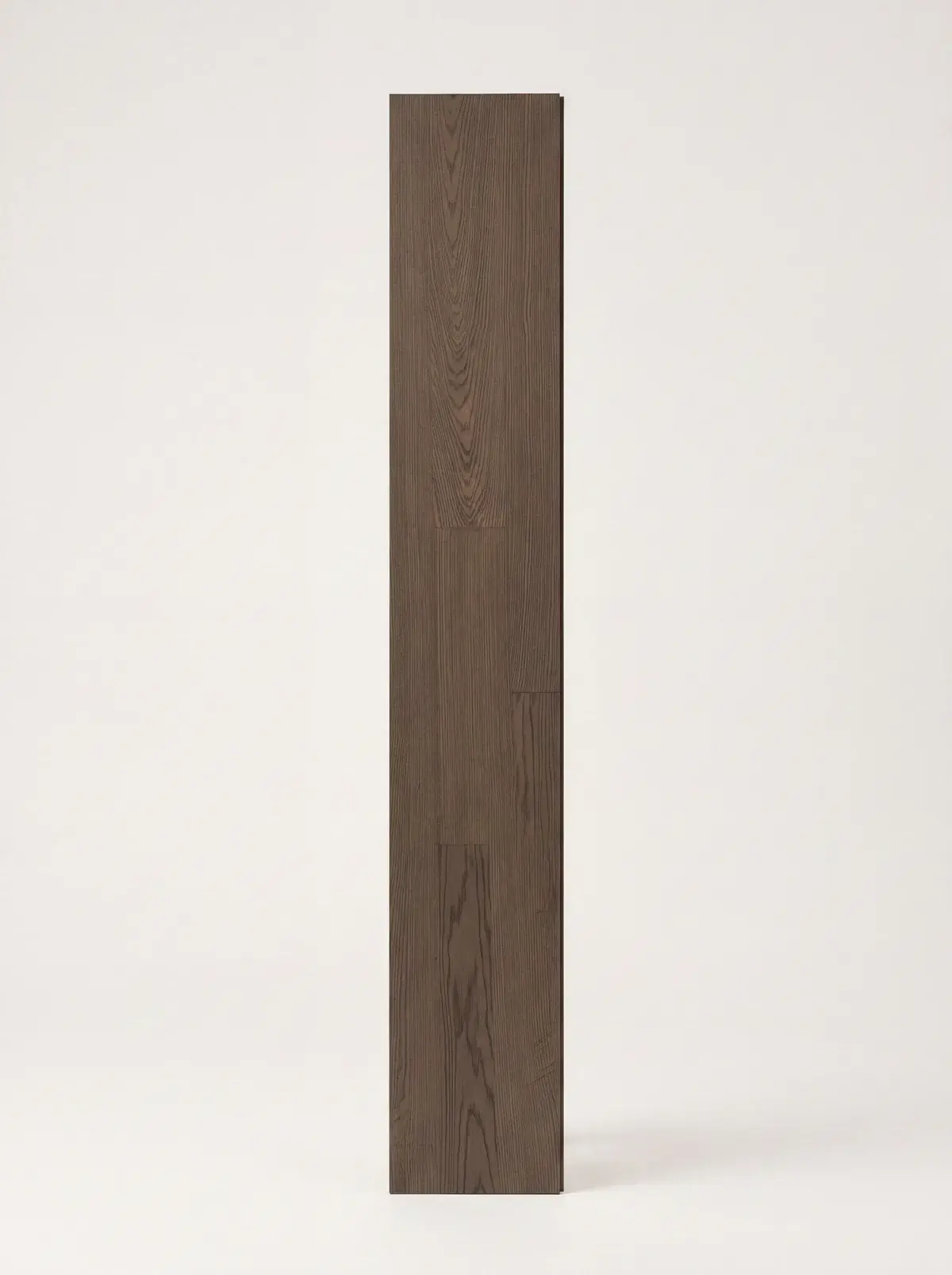
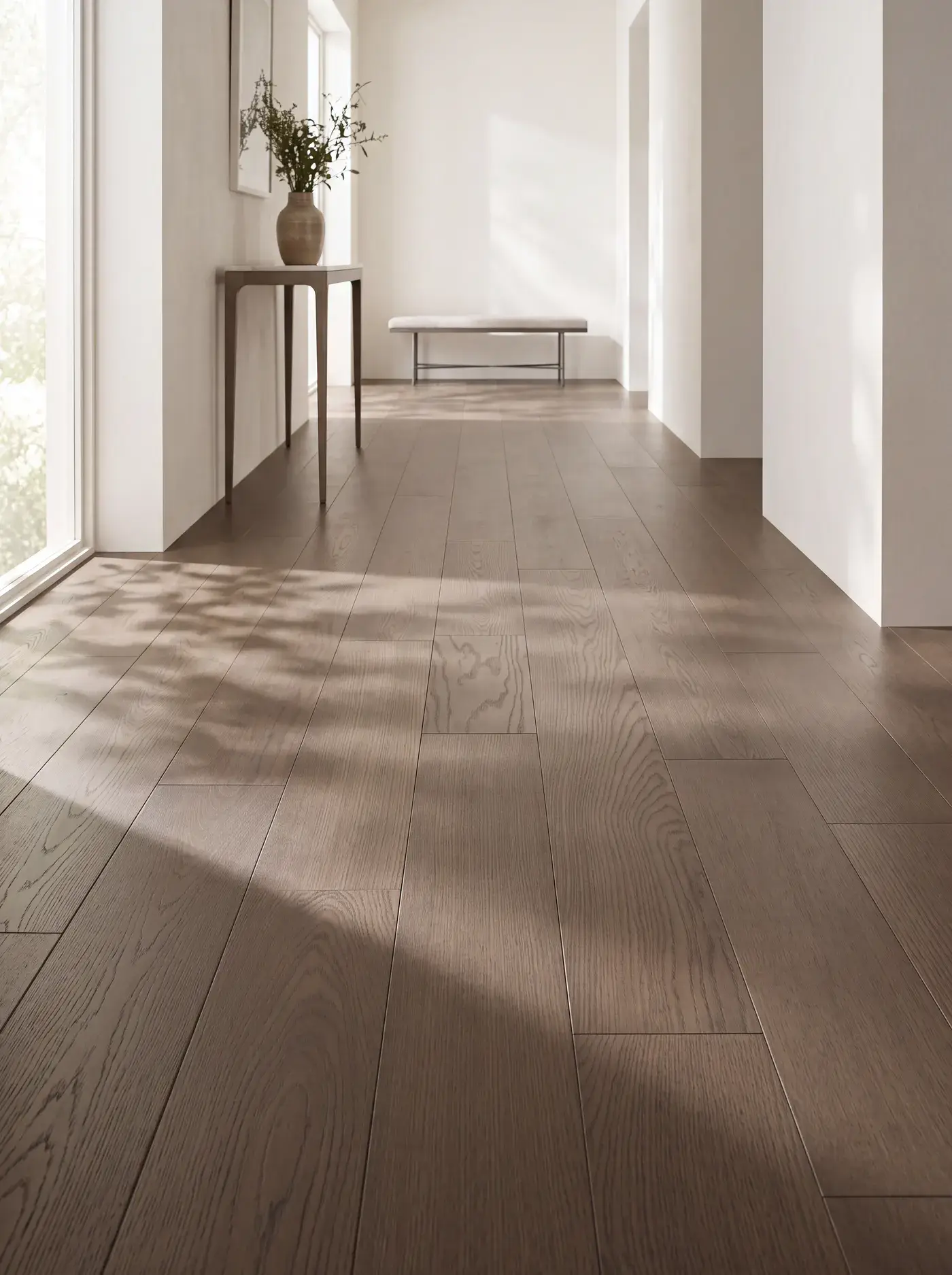
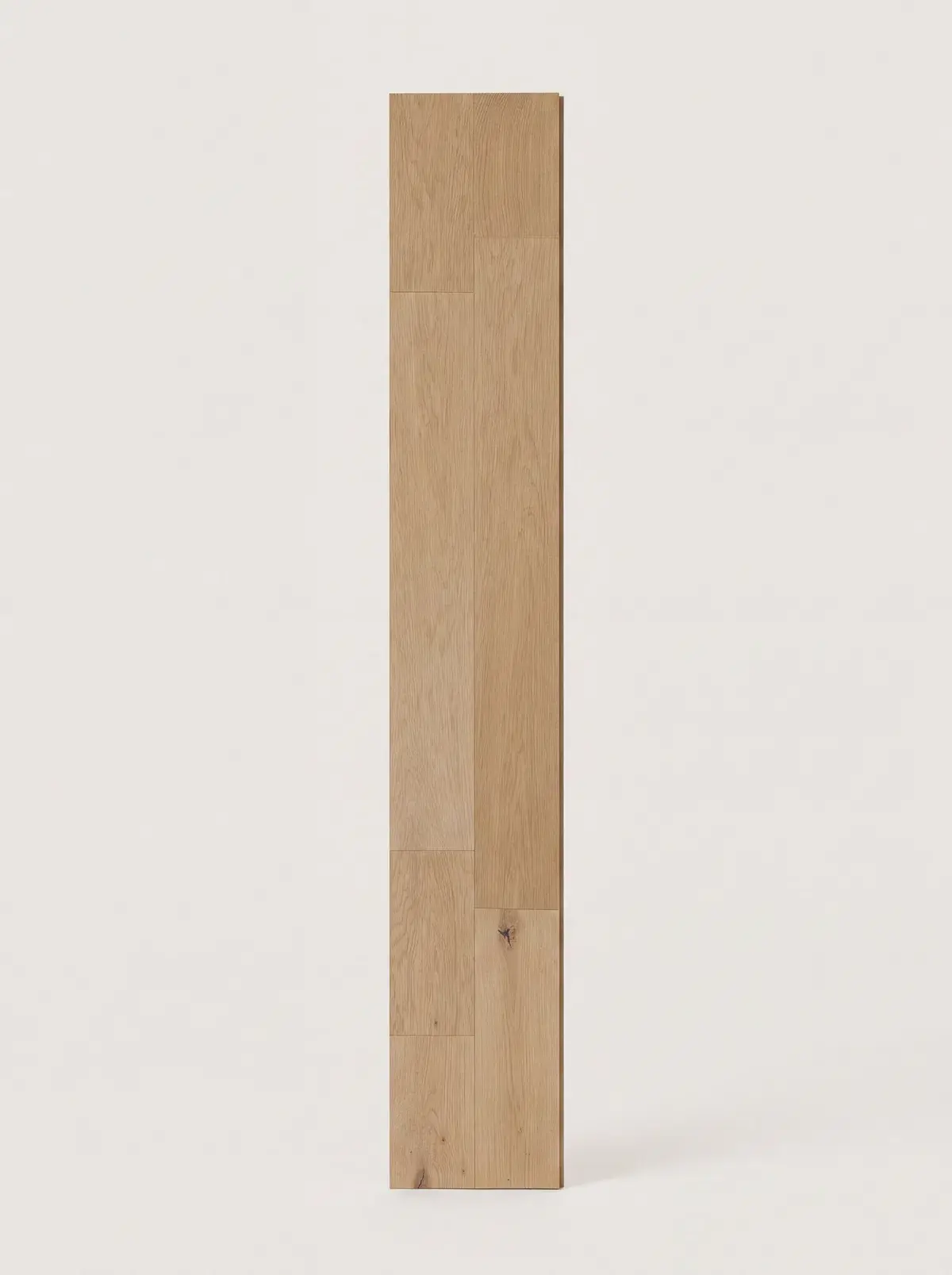
Browse every floor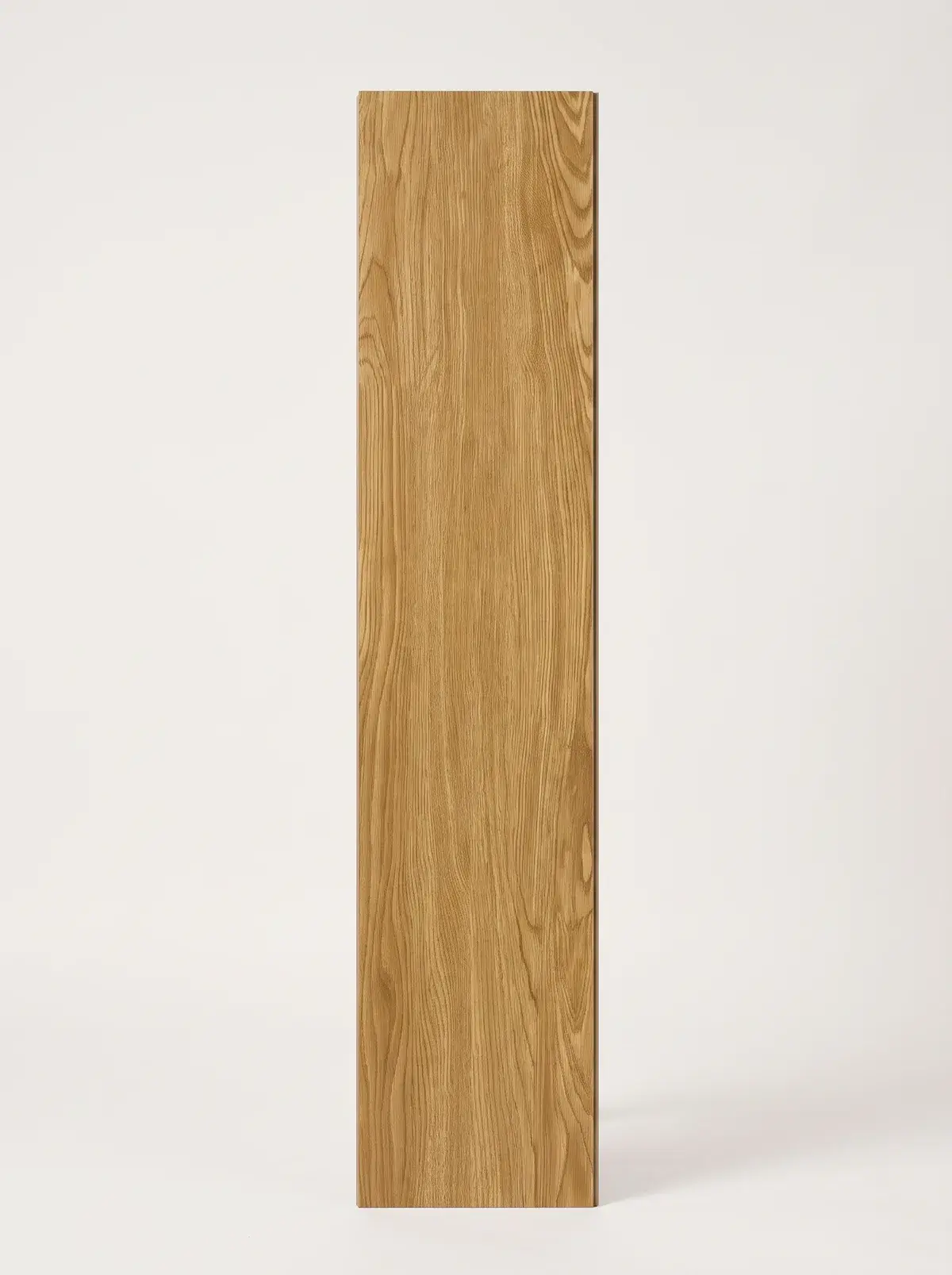


Frequently asked questions
Workmanship warranty terms vary between installers, so compare what each one covers and how you raise a problem, not just the number of years. Get it in writing with the quote. Installation faults such as tight expansion gaps or an unlevelled subfloor usually show up within the first seasons of heating and humidity change.
Usually not. A manufacturer's limited residential warranty covers the material and its factory finish, not the labour to remove and reinstall planks. That is one reason the installer's workmanship warranty matters, and why it helps when one company handles both the floor and the installation.
It can. Manufacturer warranties exclude damage from improper maintenance, and steam cleaners, wet mopping and liquid sprayed directly on the floor are named examples. Dry or damp mopping, felt pads under furniture and mats at the entrances keep a floor inside its warranty terms.
No. Floods, plumbing accidents and leaking appliances are excluded from manufacturer flooring warranties, and a leak is not an installation fault either. In a condo, water damage usually becomes a matter for your insurance and the corporation, depending on where the water came from.