Costs & Planning
Removing Tile Before New Flooring in Toronto

To remove ceramic or porcelain tile before new vinyl plank (LVP) is the most expensive, dustiest part of the job, because the tile is bonded to the slab with mortar that has to be chipped off. The cost turns on what comes up and how it is disposed, not the floor you install over it. A free measurement sets the firm price.
What makes tile the costliest floor to remove
Tile is the slowest and dirtiest floor to take out, because it does not simply lift. Ceramic and porcelain are set in mortar that grips the concrete slab, so each piece is chipped off and the mortar bed scraped down behind it.
A floating floor unclicks and carpet cuts into strips and rolls, but tile has to be broken out. That is why it costs more to remove than any other floor, and why it makes a far longer and louder day. What comes up with the old floor depends entirely on what is down now.
What changes the price of tile removal
The price is built from the tear-out and the disposal, then the prep, not from the new plank. Four things move it most.
| What | Why it moves the cost |
|---|---|
| Square footage and layout | More tile and tighter rooms mean more hours of breaking out and scraping |
| What is under the tile | A thick mortar bed, or a second layer of old tile, adds removal time |
| Disposal weight | Across the GTA, transfer stations charge by weight, and tile with mortar is heavy |
| Access and the floor it is on | Stairs, a condo elevator or a long carry add handling to every load |
In Ontario, transfer stations charge by the tonne, so a tile floor can cost several times what the same area of carpet does just to throw out. Every removal also carries a minimum charge, because it is still a loaded truck and a trip to the transfer station. What supply and install includes sets removal beside the new floor in one price.
Dust, noise and condo renovation hours
Breaking out tile is the loudest, dustiest work in a renovation, so the crew seals the room and runs dust containment before the first piece comes up. In a Toronto condo that matters twice over: the noise reaches neighbours, and the building sets the hours when this kind of work is allowed. Book the removal inside those hours and tell the suite below, and a hard day stays a civil one.
What happens to floor height after the tile is gone
Taking out tile and its mortar bed usually drops the floor by a noticeable amount, often more than a new plank adds back. The finished floor can sit lower than the tile did.
That changes the thresholds where the new floor meets carpet or hardwood in the next room, and it can leave a gap under doors that then have to be trimmed. A good measurement plans these transitions before the tile comes up, so no doorway is a surprise on the last day.
When installing over tile is the smarter call
Sometimes the tile should stay. If it is well bonded, flat and sound, a floating floor, such as SPC vinyl plank floors, can go straight over it, which skips the loudest day and the disposal weight entirely.
The trade-offs are real. The floor rises by the thickness of the new planks, so doors and transitions still move. Any loose or cracked tile has to come up first, and the new floor is only as flat as the tile under it, so an uneven bed needs levelling anyway. Going over tile saves the most when the tile is in good shape and the extra height does not fight the doors.
How Floorrable prices and runs the removal
Removal, the new floor and the prep come as one price, so there is no separate bill on the day. Because not knowing what is under the tile is common, an unknown layer is quoted as the most likely case and the measurement visit corrects it.
- Start with what is on the floor now, since the tear-out, the disposal and the dust all change with it.
- Decide between removing the tile and floating a new floor over it, with the height and the tile's condition in mind.
- If you are in a condo, book the work inside the building's permitted hours and warn the suite below.
- Get the whole job in one number: start an estimate online, then a free measurement turns the range into a firm price.
Floors that fit this guide
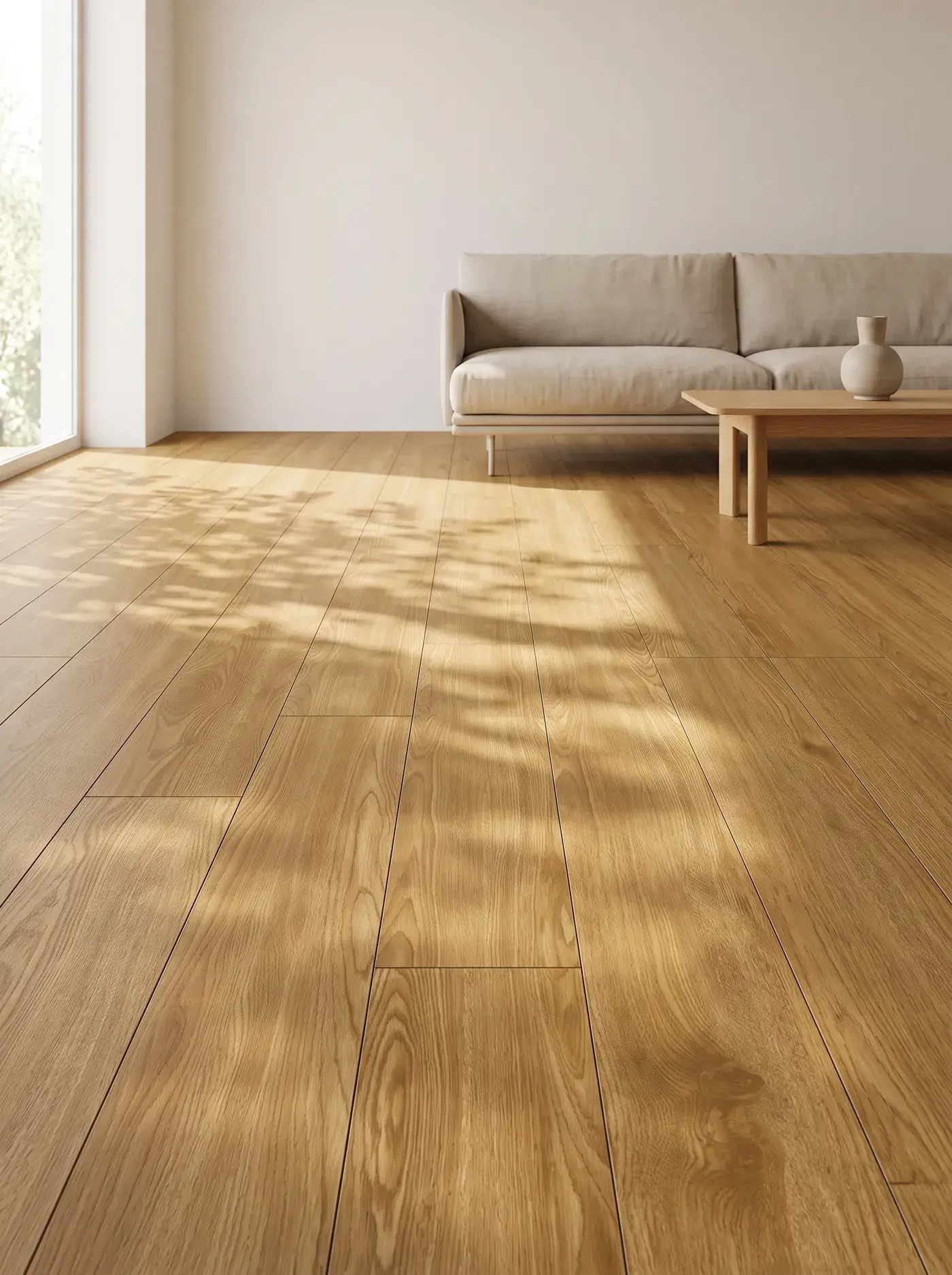
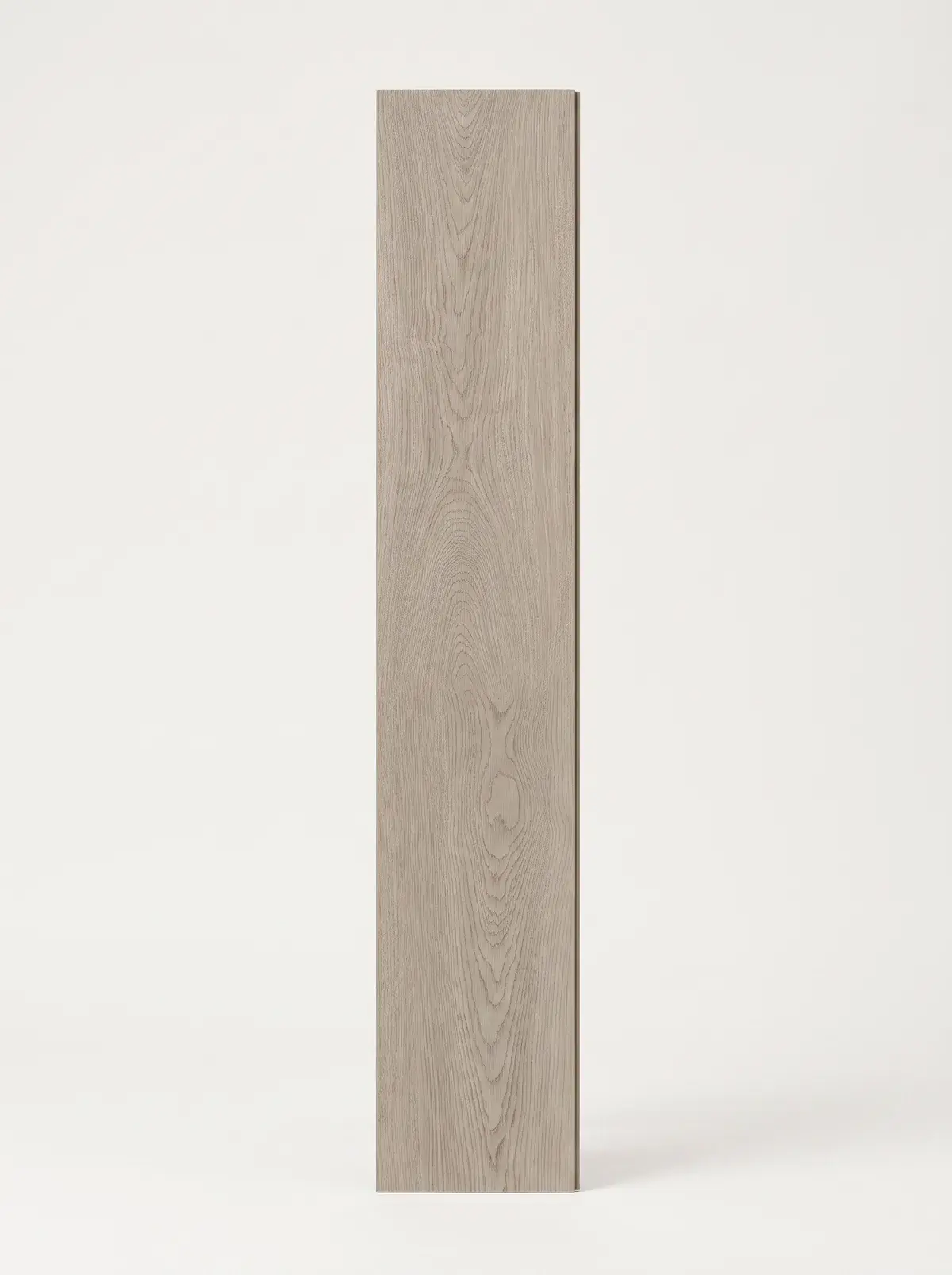
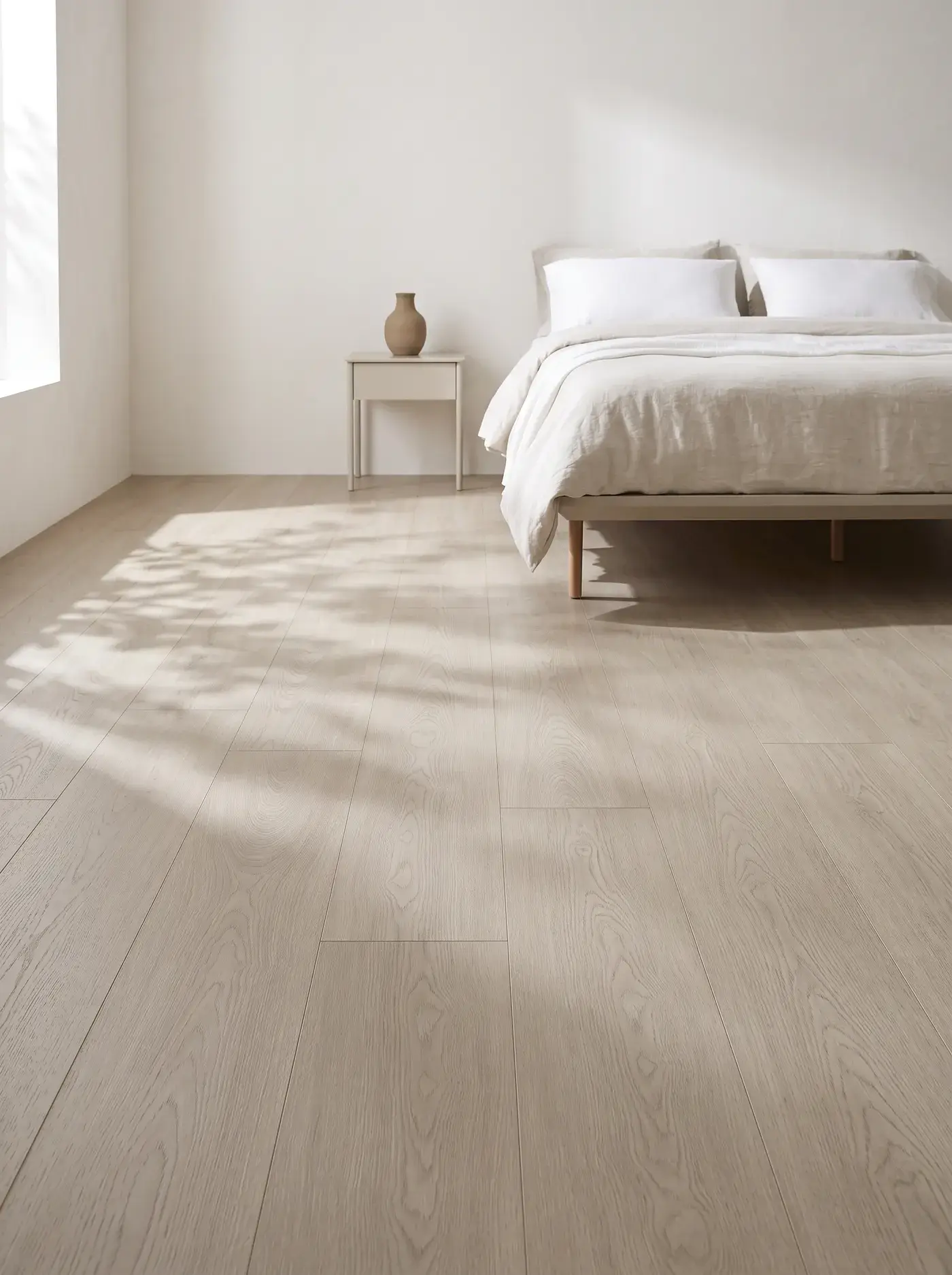
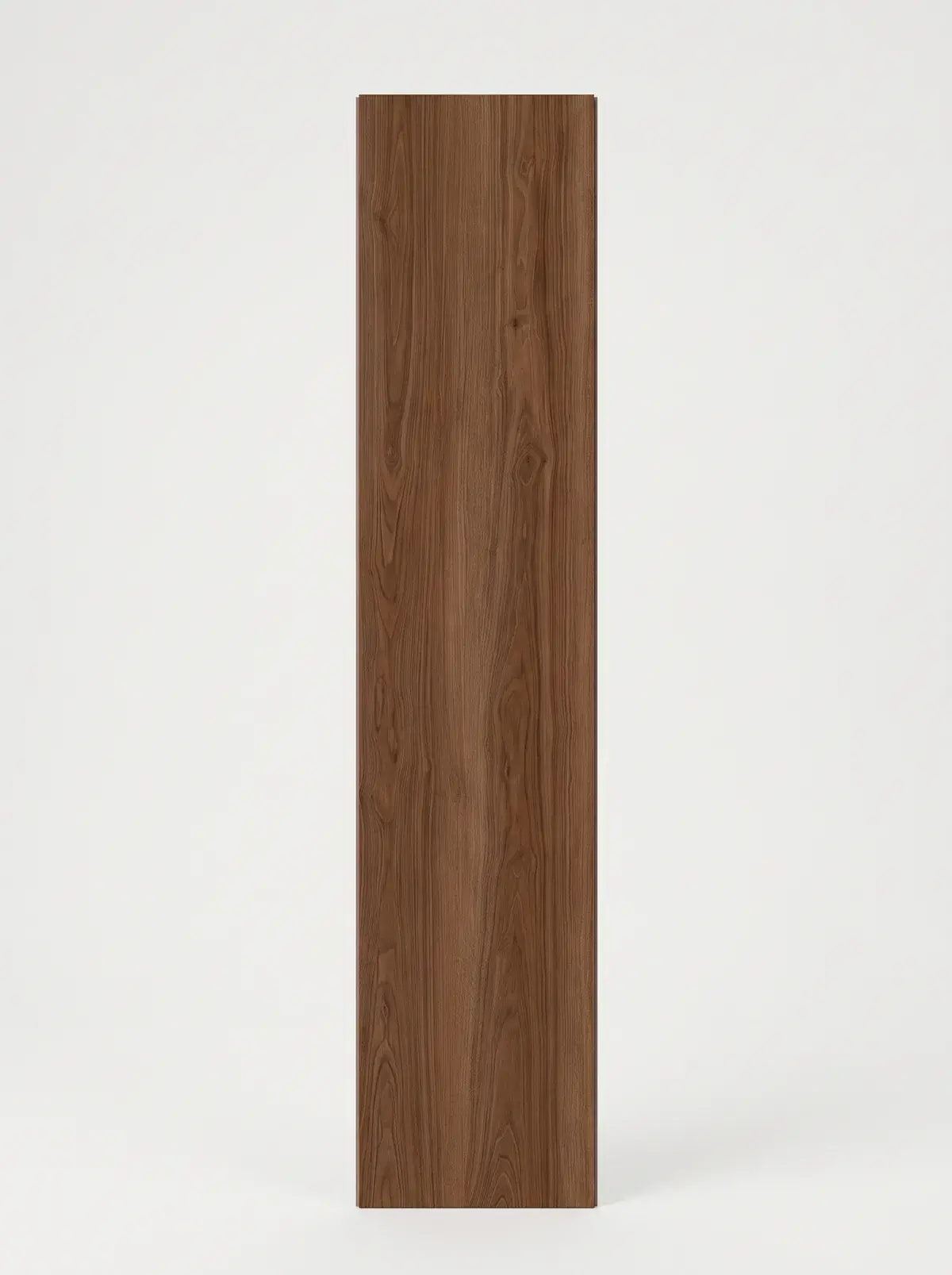
Every vinyl (spc) floor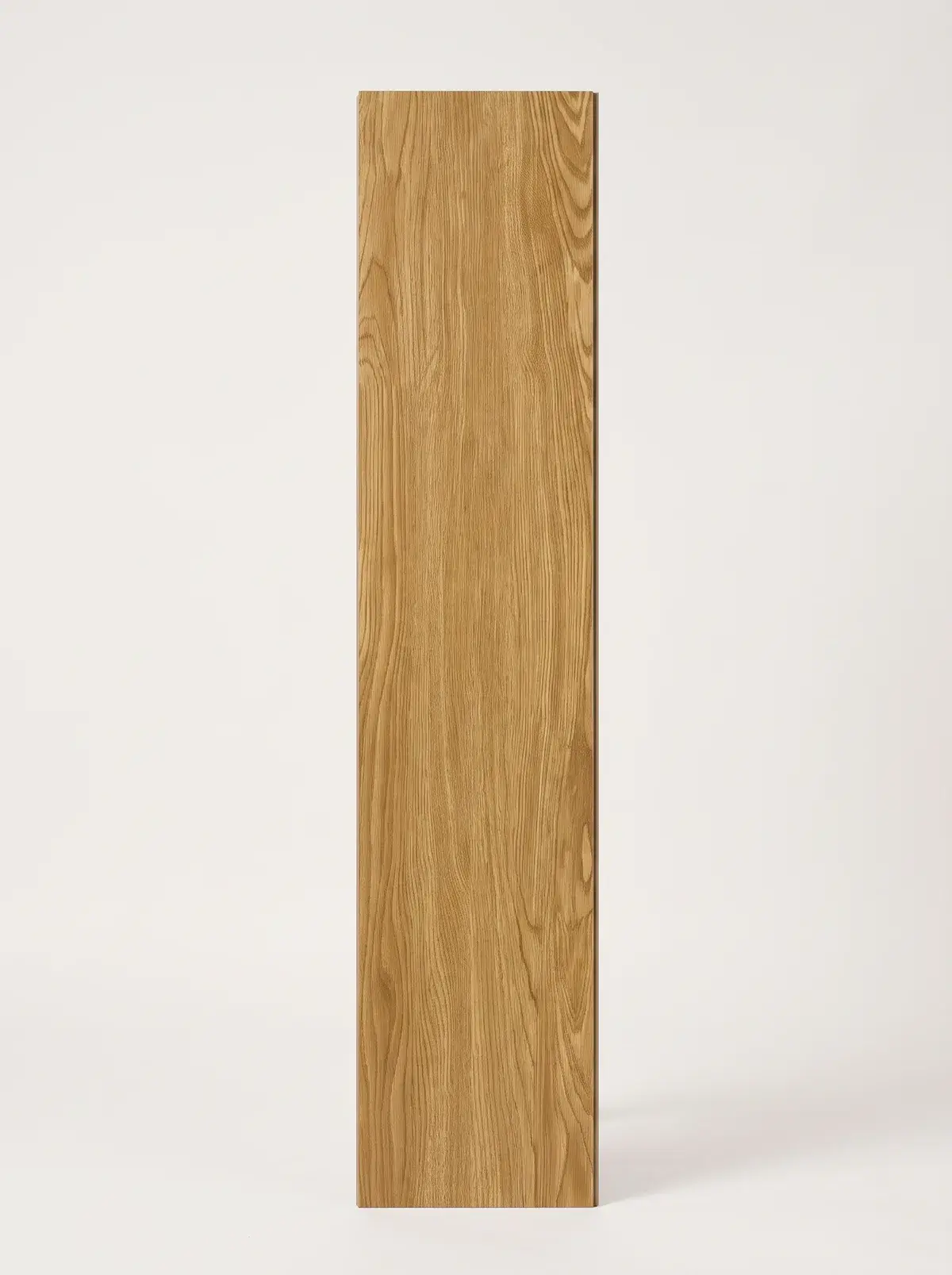
Frequently asked questions
Often yes, when the tile is well bonded, flat and sound, because floating a new floor over it skips the tear-out, the dust and the disposal weight. The trade-off is height: the floor rises by the plank thickness, so doors and thresholds may need trimming, and any loose tile still has to come up first.
Tile is bonded to the slab with mortar, so it is chipped out piece by piece rather than cut and rolled like carpet. It is also far heavier, and transfer stations charge by weight, so both the labour and the disposal cost more. That combination makes tile the most expensive floor to remove.
Breaking out tile is loud, so it is the removal most likely to reach other suites. The crew runs dust containment and works inside the building's permitted hours, and telling the suite below in advance helps. The noise is short-lived, but it is real while the mortar is coming off the slab.
The floor usually drops once the tile and its mortar bed are gone, often lower than the new plank brings it back. That affects the thresholds into other rooms and the gap under doors, which is why a measurement plans the transitions before the tile comes up.