Condo Living
Condo Flooring Rules in Toronto: What Your Building Requires

Condo flooring rules in Toronto come from your building, not the city. Each condo corporation sets its own flooring requirements in its declaration, by-laws and rules under Ontario's Condominium Act, so no single code covers every tower. Get your building's rule in writing before you choose a floor, because a floor that breaks the rule can have to come back out at the owner's cost.
Where do condo flooring rules in Toronto come from?
From each corporation's own governing documents. Ontario's Condominium Act lets a condo corporation make rules about how units and common elements are used, and flooring is a common one, because a hard floor changes how sound carries between suites. The declaration creates the corporation, the by-laws set how it runs, and the rules and any flooring policy hold the day-to-day requirements. The City of Toronto does not set a flooring standard that overrides any of this, so two towers on the same street can ask for different things. You can read how condo approvals work for the approval side.
Is there an Ontario law that bans hardwood in condos?
No. There is no province-wide flooring code, and no law bans a material outright. Ontario's Condominium Act gives each corporation the power to set its own rules, so hardwood, laminate or vinyl can be allowed in one building and restricted in the next. The Ontario Building Code governs how the building was constructed, not which plank you lay over the slab years later. A corporation can also tighten its rule over time, so a floor that passed for a neighbour a decade ago may meet a stricter standard today.
What do Toronto condo flooring rules usually require?
Four things turn up most often: whether hard flooring is allowed at all, a sound requirement measured on the finished floor rather than the bare plank, a specific underlay or performance the board will accept, and written approval before work starts. Many buildings also set permitted work hours and ask for the installer's details. For the sound ratings themselves, see how IIC and STC work; the number your building uses lives in its own documents, not in a city standard.
| Requirement | What it means |
|---|---|
| Hard surface allowed | Whether a hard floor is permitted, sometimes only outside bedrooms |
| Sound performance | A rating the finished floor must meet, set by the corporation |
| Accepted underlay | A named underlay, or a performance the board will accept |
| Approval before work | A written application and sign off before anything is ordered |
| Access and hours | Permitted work hours and a booked service elevator in a tower |
A rule can be strict or almost silent. A strict one names the underlay and the sound rating; a loose one says only that flooring changes need approval. Either way, the rule is enforced after the fact. A complaint from the suite below is the usual trigger, and the board acts through the property manager, so the owner who skipped approval is the one who has to answer for the floor.
How do I get my building's flooring rules?
Ask the property management office for the current declaration, by-laws, rules and any flooring policy, in writing. If you are buying, the status certificate package already contains them, so read it before closing. Keep the version you are handed, because rules can be amended, and the one in force on your start date is the one your floor has to meet. A tenant should ask the owner, who holds the documents, and get the owner's written permission before applying to the board.
What if the flooring rule is vague or silent?
Put your plan in writing and ask the board or management to confirm it. A rule that says little is not the same as permission: a corporation can still object later, and the cost of putting a floor right falls on the owner. When the wording is unclear, choose a conservative setup, a floating floor on a good acoustic underlay, and get the approval in writing before you order. How a Floorrable job runs puts that confirmation in before anything is ordered.
In short, if the rule does not clearly say yes, treat it as a maybe until the board says otherwise.
First steps before you choose a condo floor
Toronto condo flooring rules are easiest to meet when you read them before you fall for a sample. The order matters: an approval chased after the material is ordered can send you back to the showroom to start again. Three steps keep it in sequence.
- Ask management for your building's flooring rule and accepted underlay in writing.
- Check whether the rule covers the finished floor or just the plank, and what approval it needs.
- Shortlist floors that meet the rule, then confirm your plan with the board before ordering.
- Once the rule is clear, start an estimate online. Floorrable confirms the building's requirements and measures the suite before any material is ordered.
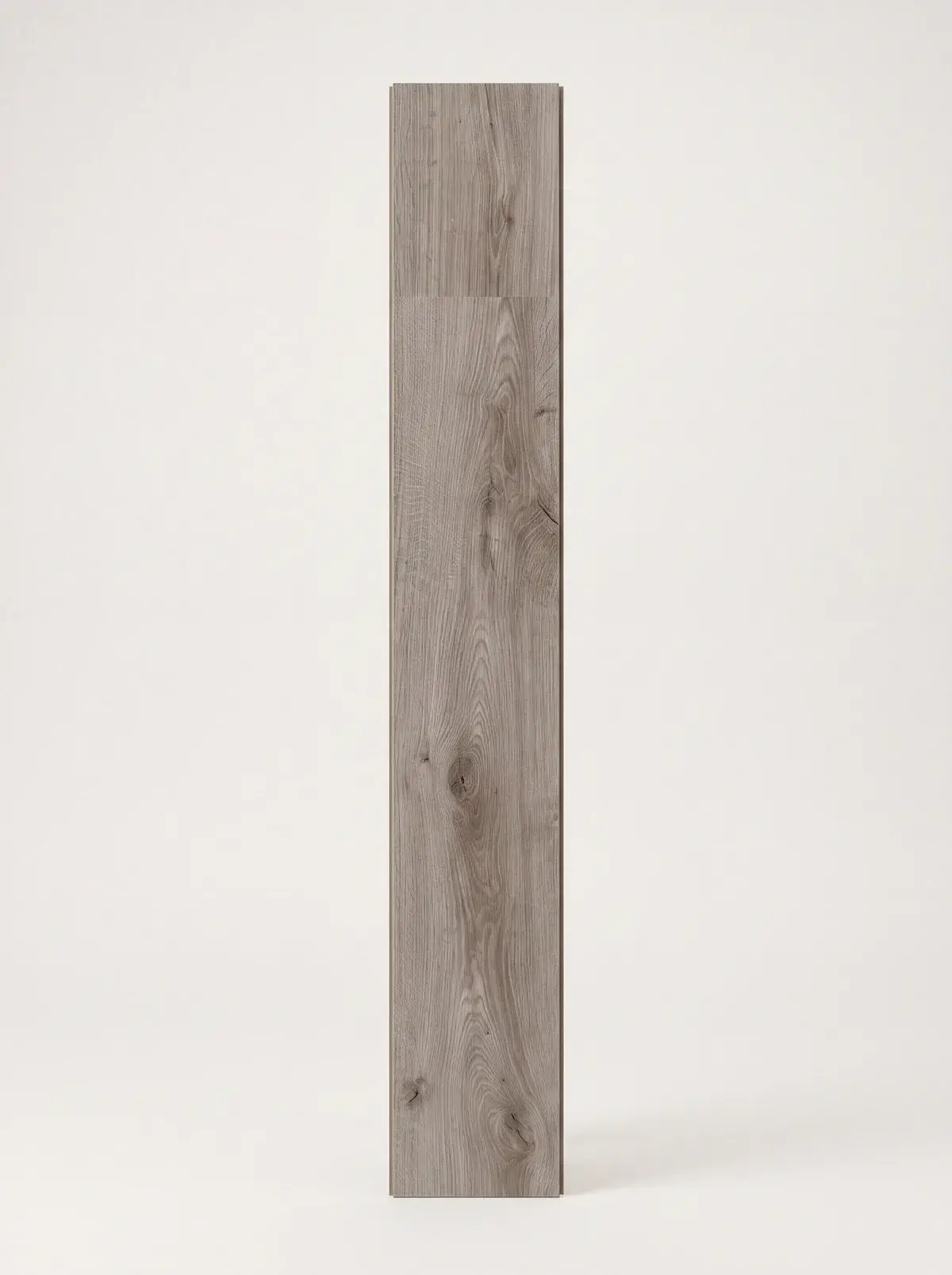
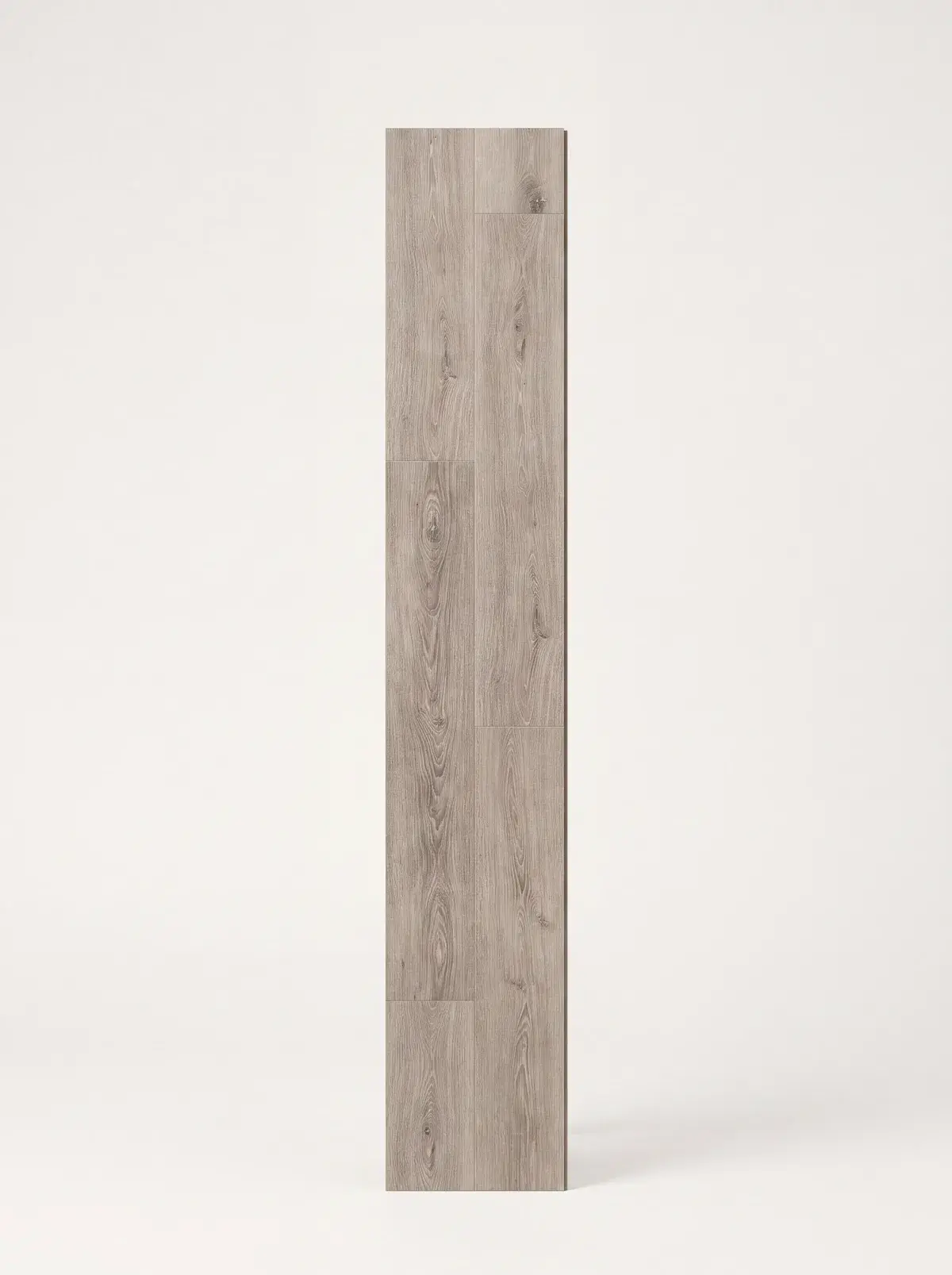
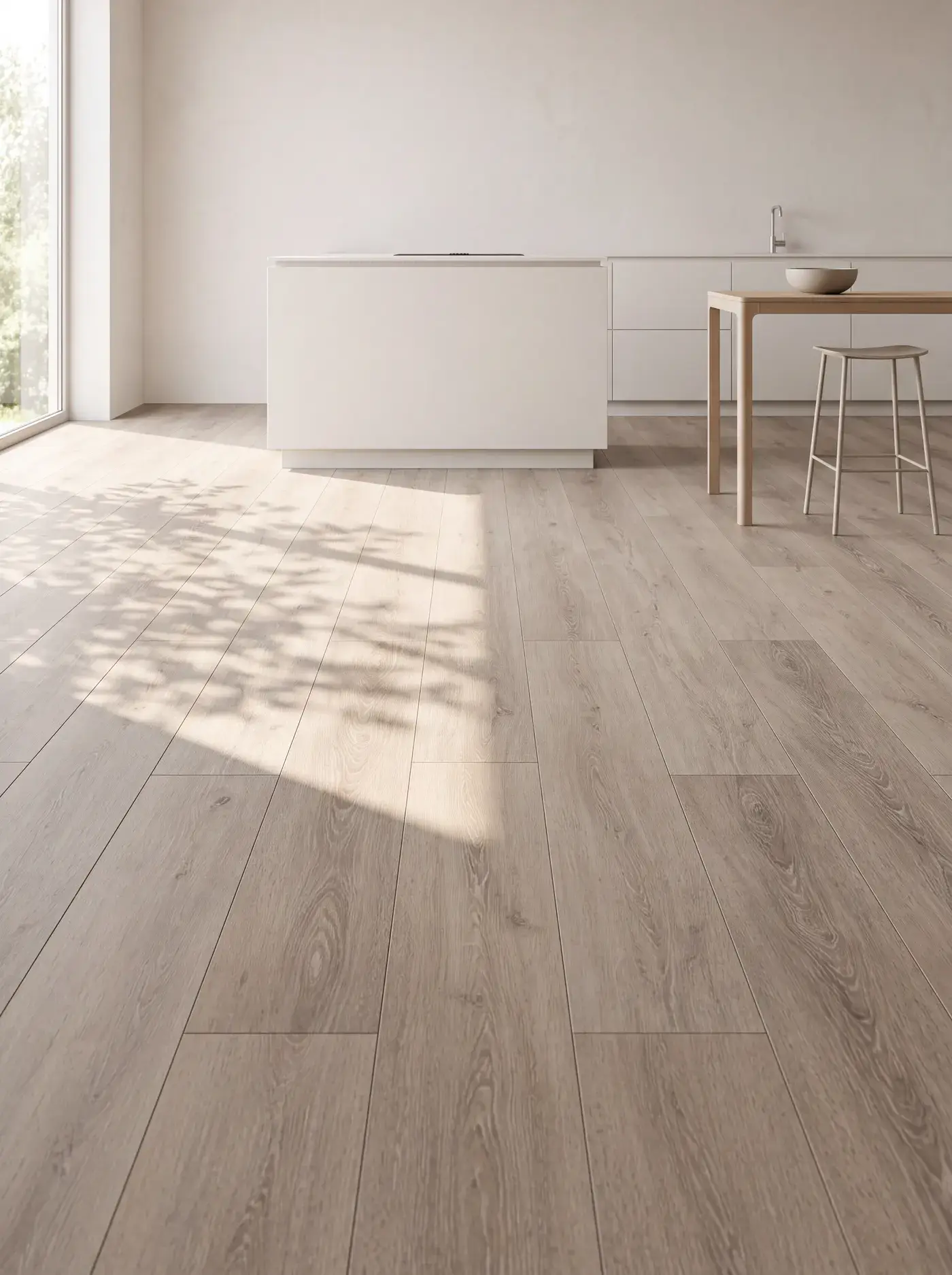
Floors that fit this guide
Browse every floor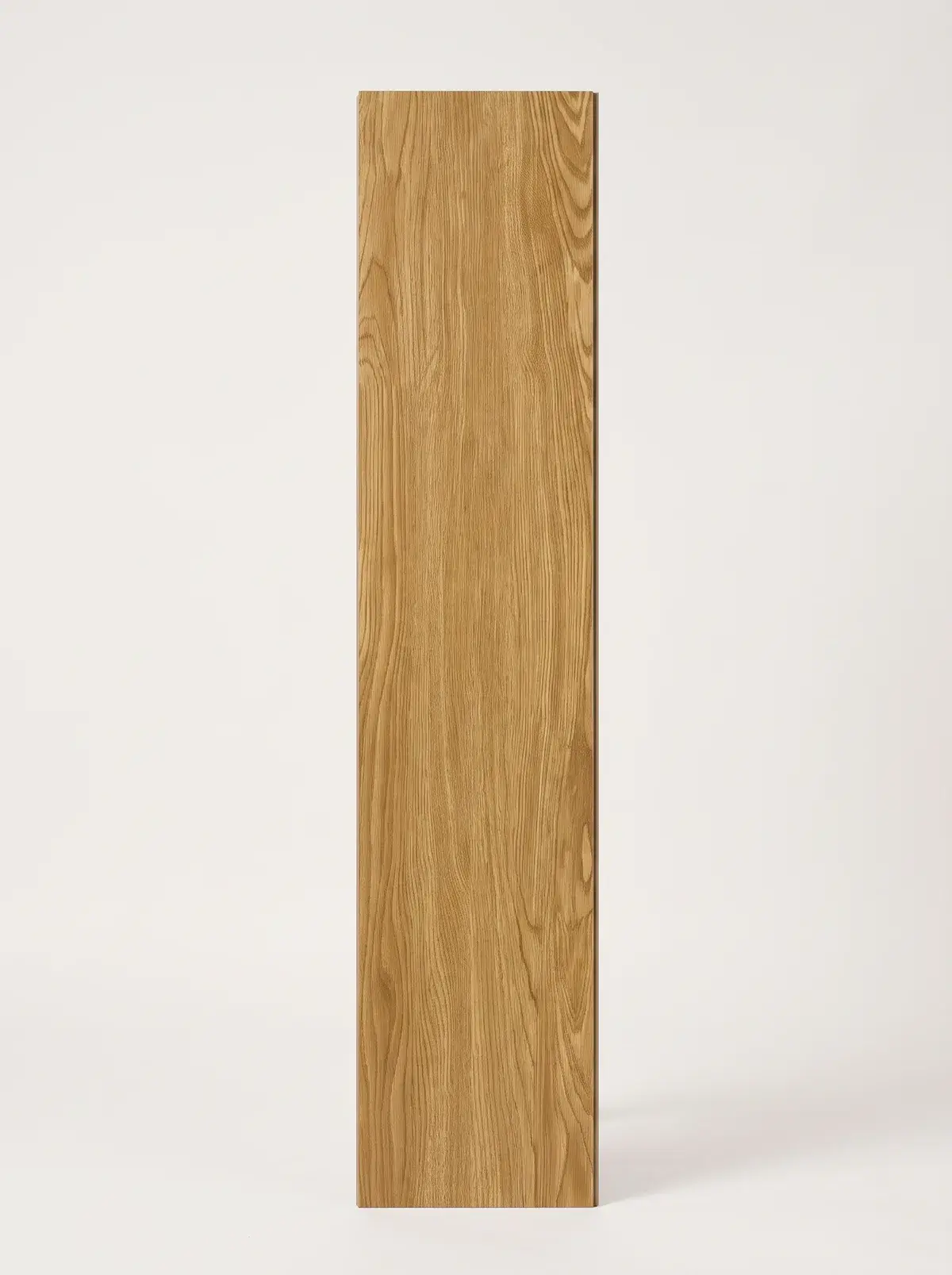


Frequently asked questions
No city code forces a condo to allow a flooring material, and none bans one either, but a condo corporation can restrict hard surfaces through its own rules. Most Toronto buildings allow hard floors with an accepted underlay and board approval rather than banning a material outright. Check your building's rule to see which it does.
The corporation can require you to correct it, and depending on the declaration and rules that can mean taking a new floor out at your own cost. Approval before ordering is far cheaper than any remedy afterward, which is why confirming the rule comes before anything is bought.
The condo corporation's rule still governs the unit, so a tenant also needs the owner's written permission before changing the floor. In a purpose-built rental building there is no condo corporation, and the landlord sets the flooring terms in the lease instead.
Yes. The status certificate package includes the declaration, by-laws and rules, so a buyer can read the flooring requirements before closing. A current owner cannot order a status certificate for themselves and should ask management for the latest rules in writing instead.