Condo Living
Can I Change the Flooring in My Condo?

Yes, you can almost always change the flooring in your condo, but your corporation sets the terms and wants to approve the plan in writing before work starts. A hard floor changes how footsteps carry to the suite below, which is why the board reviews it. The application asks for a specific package.
What condo flooring approval actually involves
Approval is permission from your condo corporation, not a city licence. You apply to the board or the property management office with the floor you have chosen, and they check it against the building's own rules before you order anything. Ontario's Condominium Act lets a corporation make rules about how a unit affects the shared building, and footstep noise through the slab is a common reason flooring is one of them. You can read how condo approvals work for the rule side.
What goes in a condo flooring approval package
A complete package answers the board's questions before it has to ask them. Most buildings want four things in writing: the floor, the underlay, the installer and the schedule. A missing piece is the usual reason a file sits for another month, so it pays to send it whole.
- The floor and underlay you chose, with the manufacturer's spec sheets and any acoustic information the rule calls for.
- The rooms and the work, including whether a hard floor is going anywhere the rule still keeps carpet.
- The installer's details and whatever paperwork the building lists, which often includes an insurance certificate or a WSIB clearance from the contractor.
- Your dates, the permitted work hours, and the service elevator booking in a tower.
| Part of the package | Who provides it |
|---|---|
| The building's written rule | You ask management |
| Product and underlay spec sheets | Floorrable, with the application |
| Installer details and documents | Floorrable |
| Elevator time and work hours | You and management together |
Floorrable prepares the product and installer documents and confirms approval before any material is ordered, so one company deals with your manager instead of you chasing trades. See how a Floorrable job runs.
How long does condo flooring approval take?
It depends on who signs off and how complete your package is. Some buildings let the property manager approve a routine floor swap on their own, while others hold every application for the next board meeting. A full file moves faster than one the manager has to send back for a missing spec sheet. Ask early whether your change needs the full board or only the office, and when the board meets next.
Why do condo boards reject flooring applications?
Most rejections are about missing information or the wrong underlay, not the floor you love. The board is protecting the suite below from footstep noise and the building from water damage, so it looks for the parts of the rule that address those risks. Fix the package and most refusals turn into approvals.
- No acoustic information for the underlay, or an underlay that does not meet the building's sound requirement for the finished floor.
- A hard surface proposed where the rule still requires carpet, such as a bedroom in some older buildings.
- Incomplete installer paperwork, or a schedule that ignores the building's permitted work hours.
- A sound rating quoted for the plank alone, when the rule measures the finished assembly of slab, underlay and floor together.
If you are not sure which of these applies, read what your building requires before you apply, then ask management to confirm your plan in writing.
Do I need a City of Toronto permit for new flooring?
No. A City of Toronto building permit is for building, adding to, or materially altering a structure, and swapping a floor finish is none of those. The approval that governs your floor is your condo corporation's, not the City's. The one time to check with Toronto Building is a renovation that also moves a wall or a plumbing line, which is a separate job from the floor itself.
Steps to get your condo flooring change approved
The order matters, because an approval chased after the material is ordered can send you back to the showroom. Four steps keep it in sequence.
- Ask management for the flooring rule and the accepted underlay in writing, and whether the board or the office approves it.
- Choose a floor and underlay that meet the rule, with the spec sheets that prove it.
- Submit the full package in one file: product, underlay, installer and schedule.
- Once the rule is clear, get a price range for your unit. Floorrable confirms the building's requirements and measures the suite before anything is ordered.
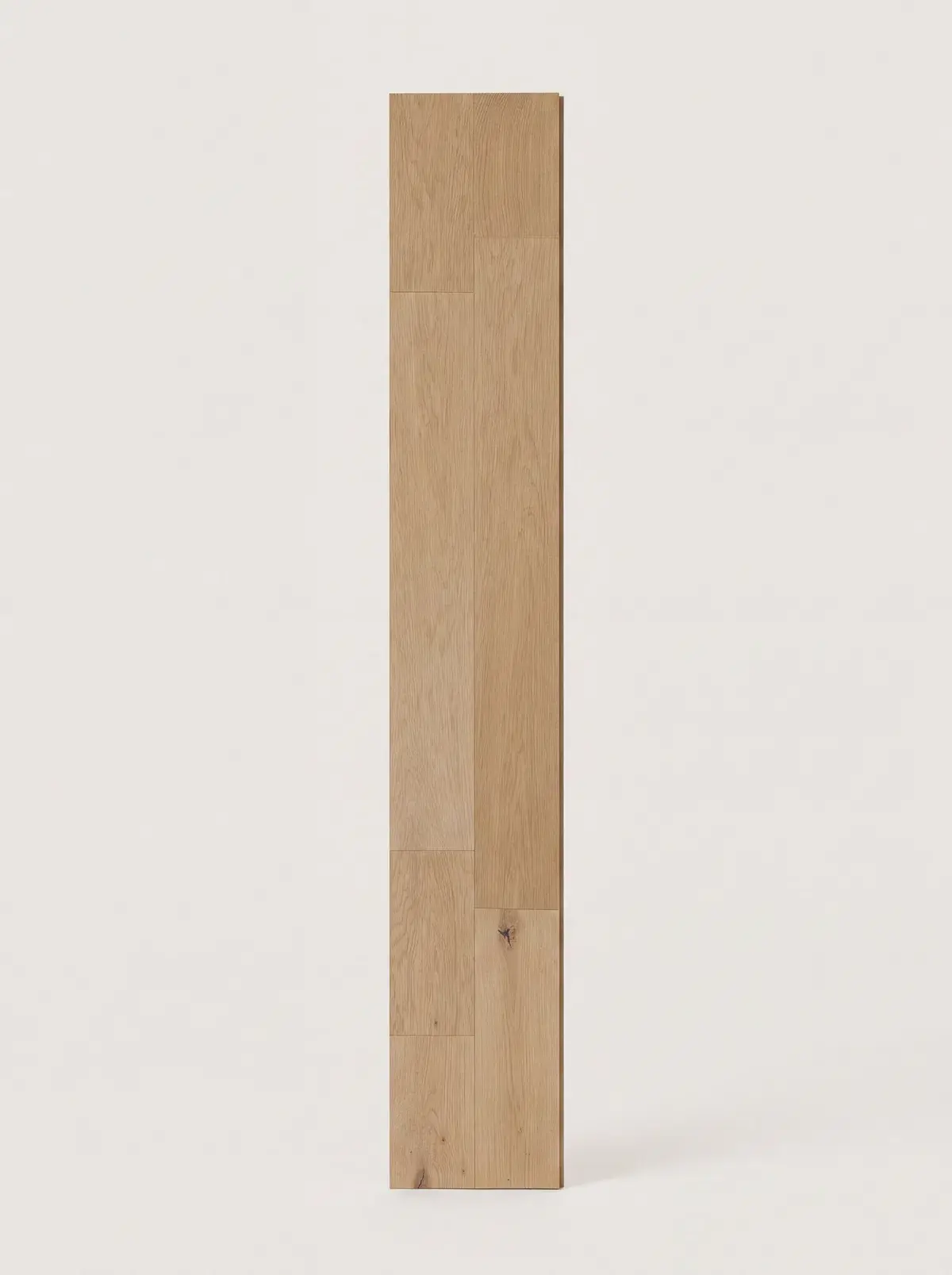
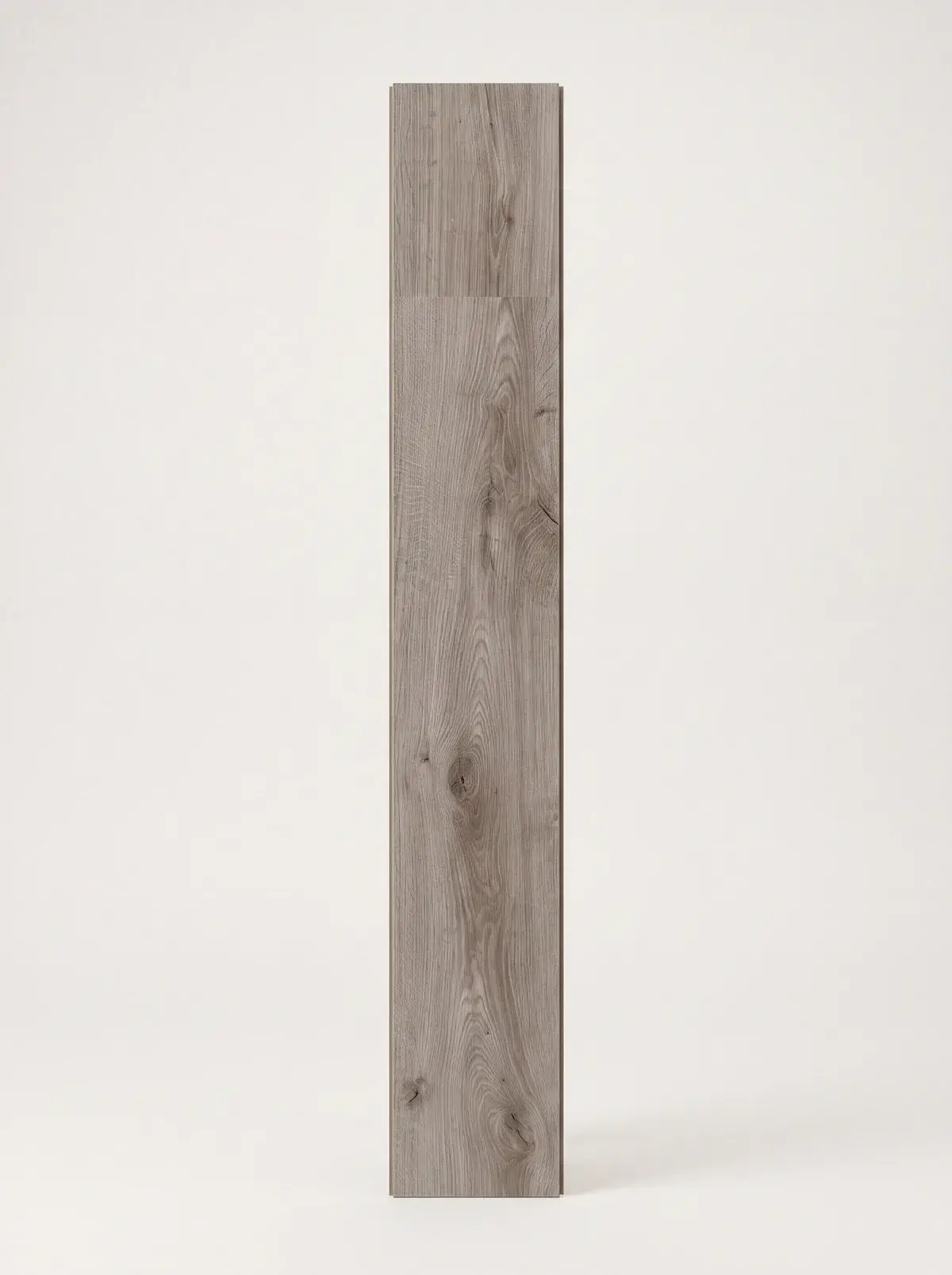
Floors that fit this guide
Browse every floor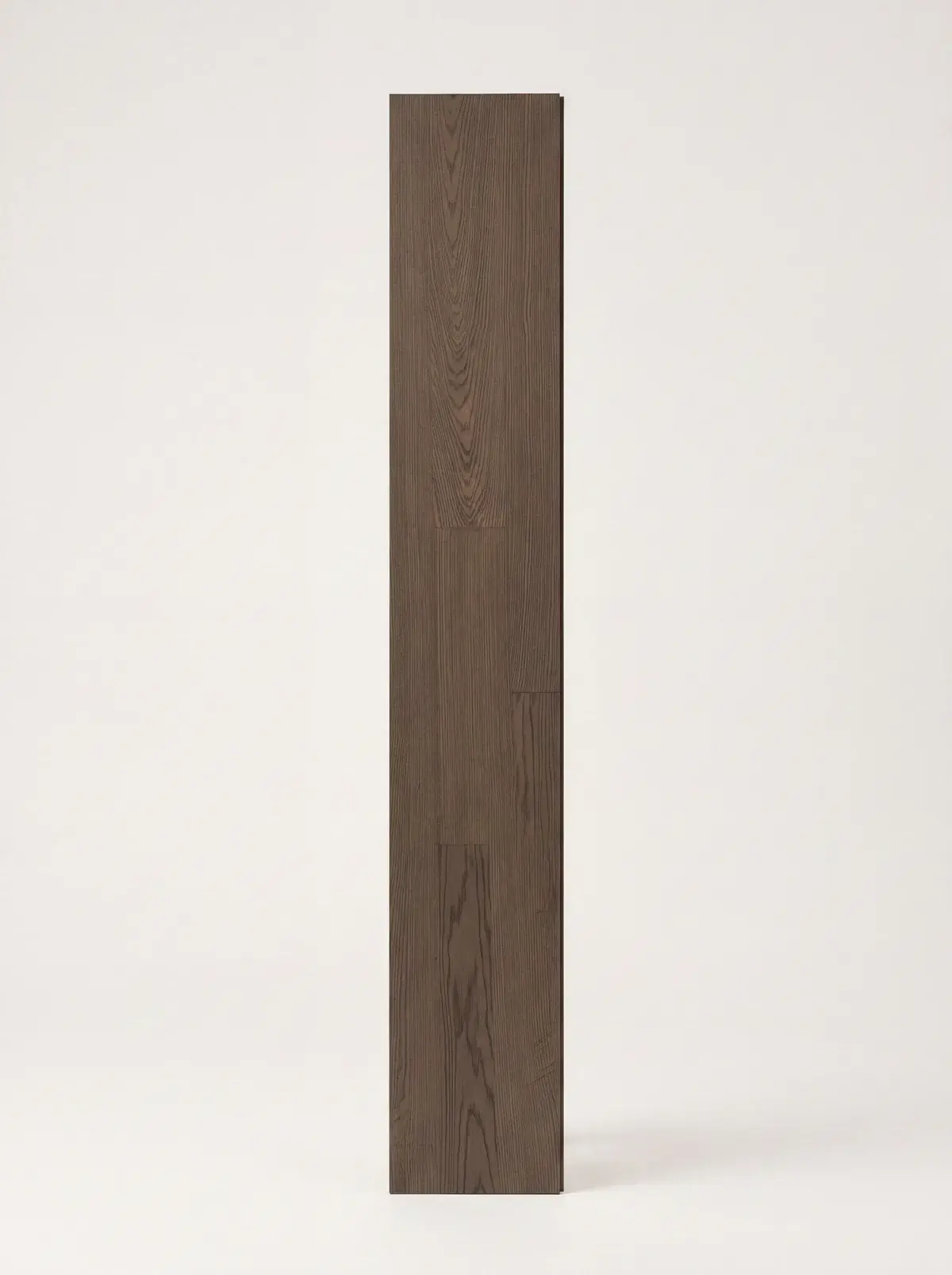



Frequently asked questions
Yes, but a tenant needs two approvals, not one. The condo corporation's flooring rule still governs the unit, so you need the board's approval, and you also need the owner's written permission because they hold the suite and its documents. Ask the owner first, then assemble the building's application together.
Either can submit it, but the owner is the one the corporation holds responsible, so your name belongs on the application. Floorrable prepares the product and installer documents and sends them with you, which keeps the package complete and saves a round of questions from the board.
Treat a vague rule as a maybe, not a yes. Put your floor and underlay in writing and ask the board or management to confirm them before you order. A rule that says little can still be enforced later, and the cost of removing a floor that breaks it falls on the owner.
Usually yes. Going from carpet to any hard floor is the change boards care about most, because carpet absorbs footstep noise and a hard surface sends it to the suite below. Expect to apply, show your underlay, and get written approval before the carpet comes up.