Flooring Guides
Stair Nosing and Treads for Vinyl Plank Floors

Stair nosing for vinyl plank is the shaped edge piece that finishes the front of each step and protects the plank from chipping. On Toronto stairs you choose between flush and overlap profiles, and between full replacement treads or cap-over treads on existing wood. Safety and a firm fix matter most.
What stair nosing does on a vinyl plank stair
A stair nosing is the shaped strip that finishes the front edge of each step, where the tread meets the open face. It gives your foot something to catch, hides the joint between the tread and the riser, and protects the vinyl plank where it takes the most wear. On a floating floor the edge wants to lift, so on stairs the plank is bonded down and the nosing is fixed over it. SPC vinyl plank floors explains how the same plank behaves on a flat floor.
Flush or overlap nosing: which suits your stairs?
The two common profiles are flush and overlap. A flush nosing sits level with the tread surface for a clean, square edge, which looks tidy but needs an exact fit and a tread built to suit it. An overlap nosing laps over the front of the tread, which hides a small gap and is the more forgiving choice with a plank that was not cut to the millimetre.
| Nosing | How it sits | Best for |
|---|---|---|
| Flush | Level with the tread surface | A square, built-in look on new treads |
| Overlap | Laps over the front of the tread | Retrofits and cap-over treads |
Overlap is the usual pick on a retrofit, because old treads are rarely a perfect depth.
Full replacement treads or cap-over treads?
You can either replace each tread with a new plank-clad tread or cap over the existing wood tread with a thin matching surface. Full replacement suits stairs that are being rebuilt or stripped back. Cap-over treads keep the existing structure and add a new top, which is quicker where the stairs are solid and level. AC4 laminate floors can be finished either way, as can vinyl and engineered hardwood.
Watch the front edge. A rounded bullnose tread is cut back square or wrapped with a flexible nosing so the new plank sits flat, and covering the risers as well roughly doubles the pieces that have to be cut and fitted.
Do stairs have to match the floor?
No. Stairs do not have to match the floor beside them, though matching the tread to the main floor reads cleanly and tends to help at resale. A deliberate contrast works too: stained treads over painted risers, or a darker tread against a lighter floor, is a common choice in Toronto townhouses, Etobicoke semis and Liberty Village lofts. What matters more than the colour is that the nosing and the tread are the same material, so they wear together.
What is the safest flooring for stairs?
The safest stair is less about the material than the fix and the grip. Whatever the plank, the tread should be bonded down rather than floating, the nosing should have a square front or a contrast strip you can see on the way down, and a low-sheen surface grips better than a glossy one. Compare the five flooring types for how each behaves underfoot, then judge the stair on its edge and its fixing, not its looks.
What about landings and the bottom step?
A landing is finished like a small floor: full planks laid flat, with a nosing along any open edge where it drops to the flight below. The bottom step often needs its own attention, because a projecting bullnose there has to be squared off or wrapped before a plank will lie flat on it. Open sides add a finished end cap on every tread, and a curved or winder step is cut one at a time. That is why a clear photo of the staircase saves a lot of guesswork when the stairs are quoted.
How Floorrable quotes and finishes stairs
Stairs are never in the instant online range, because each step is measured and cut by hand. Floorrable quotes them from five answers plus a photo of the staircase: how many steps, treads only or treads and risers, a square or rounded front edge, what is on the steps now, and whether the sides are open or closed. Carpet already on the stairs is its own tear-out, and the one most often forgotten until the day. See how stairs are quoted for the full list.
Once you know the floor you want beside them, start the stairs with the same step. Get a price range for your unit, add a photo of the staircase, and the hand quote for the stairs follows. A free measurement turns both into a firm price before anything is ordered, so get a price range for your unit first.
Floors that fit this guide
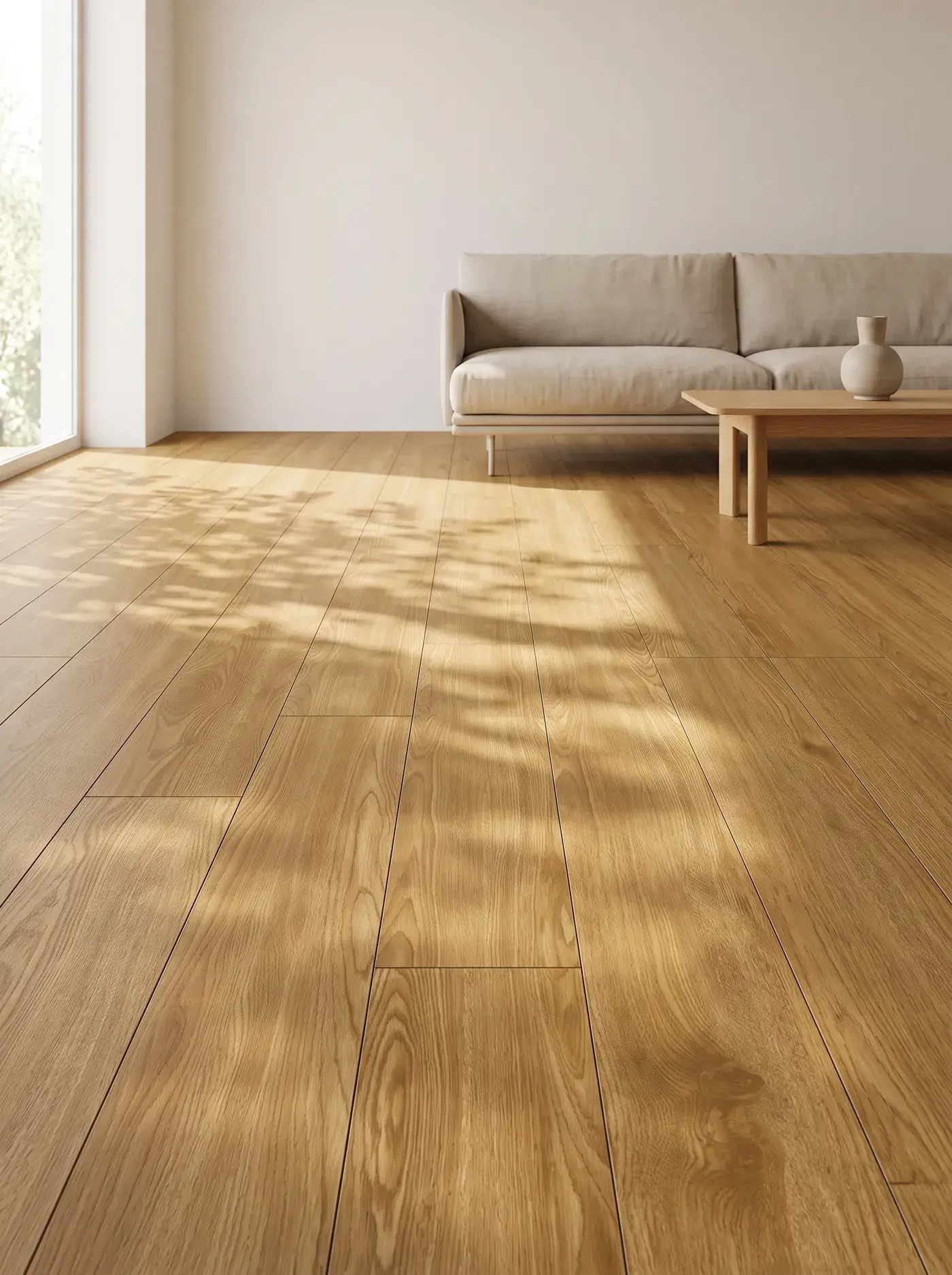
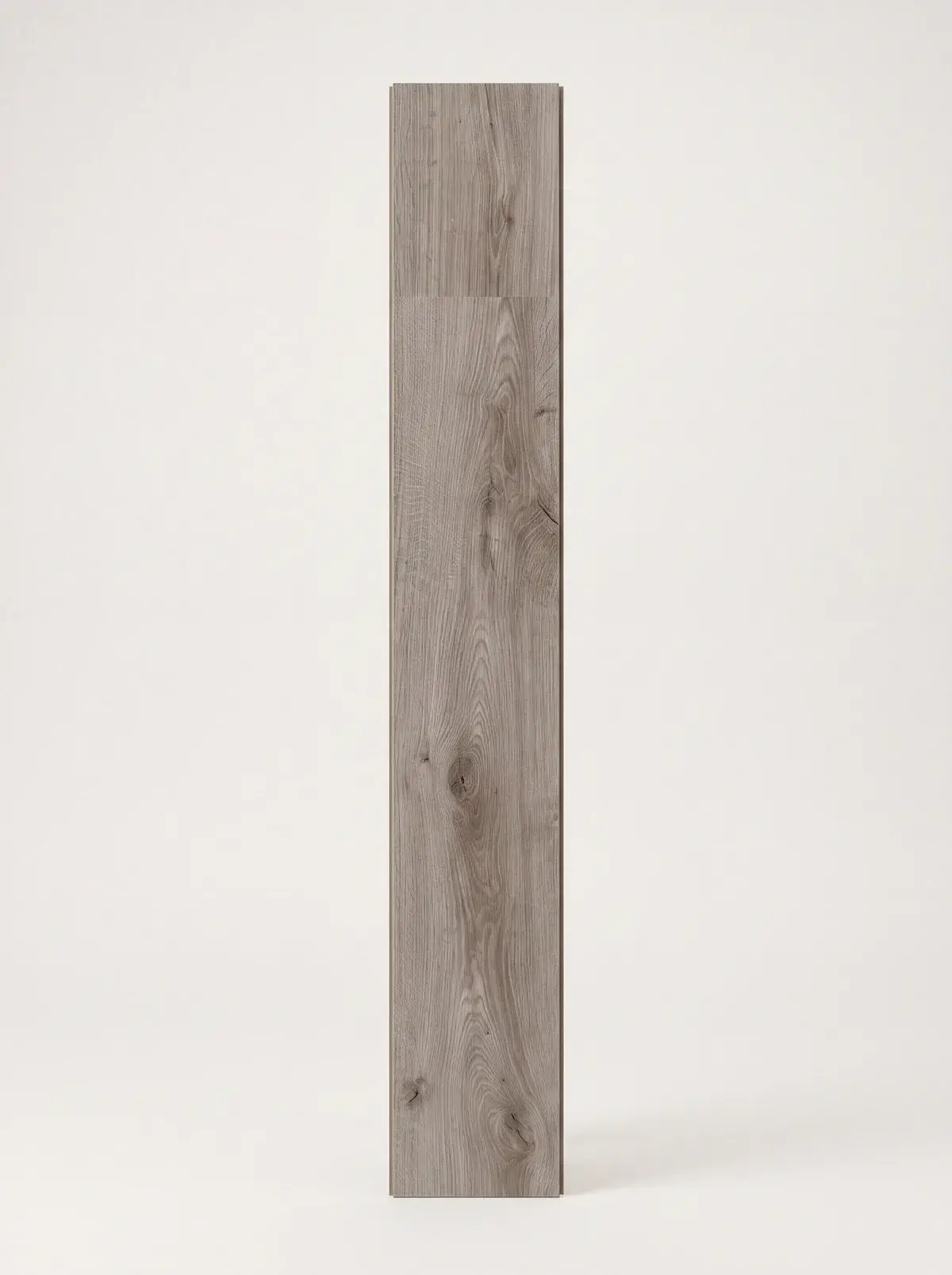
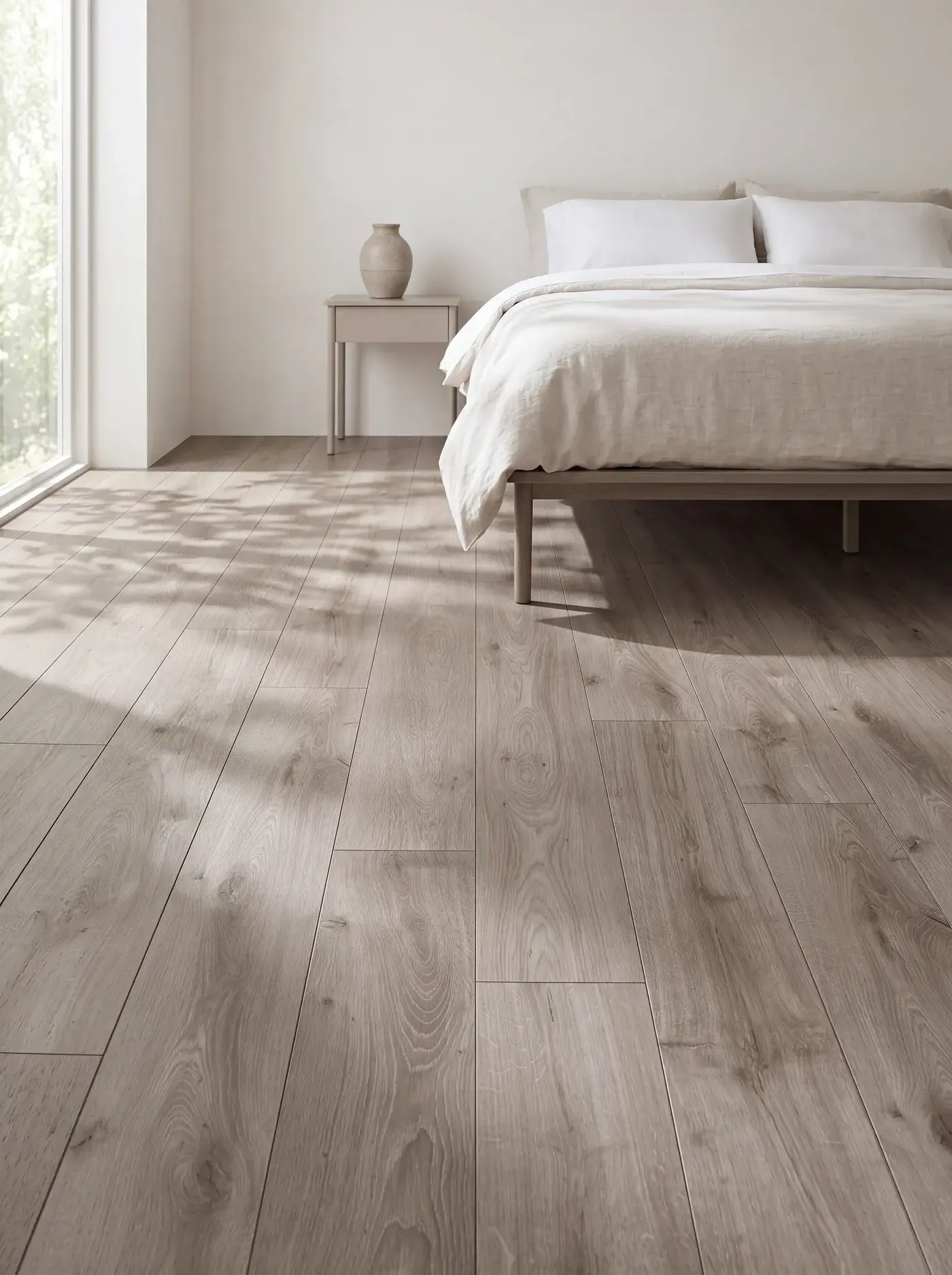
Browse every floor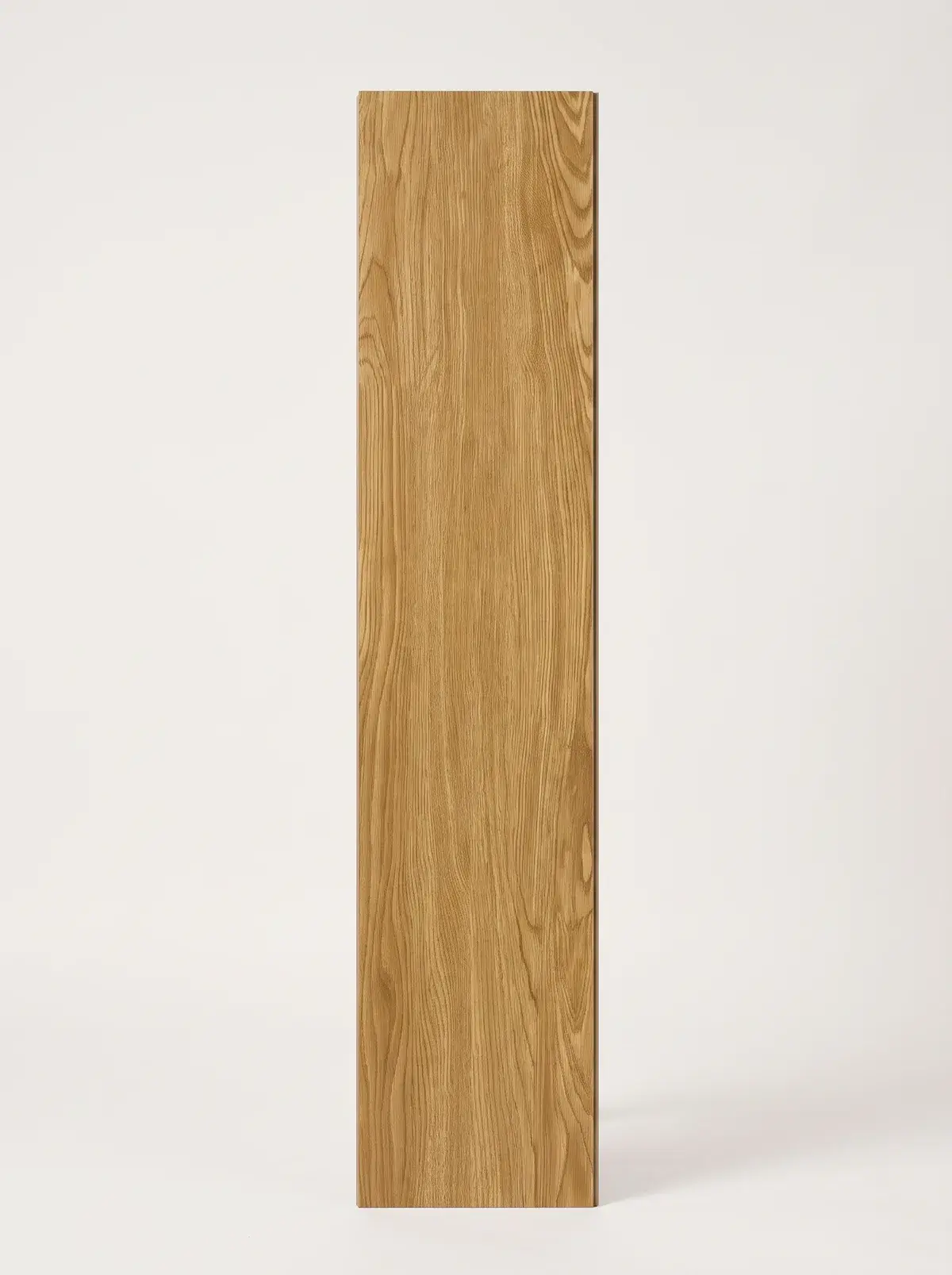
Frequently asked questions
Yes. Vinyl plank can go on stairs, but each step needs a matching stair nosing fixed to the front edge and the planks bonded down rather than left floating. A floating install that works on a flat floor is not safe on a stair, so stairs are always glued and nosed.
Laminate stairs use a colour-matched laminate nosing, either flush with the tread or lapped over its front edge. The nosing is glued and mechanically fixed so it cannot shift underfoot. Pick the profile that matches how the tread is built and the look you want at the step edge.
Cap-over treads, which cover existing wood stairs with a new plank surface, work well when the stairs are solid and level, and they avoid a full tear-out. If a tread is a rounded bullnose, it is cut back square or wrapped first so the new plank and nosing sit flat and secure.
Stairs are quoted separately because each step is cut and fitted by hand, not rolled out like a floor. The price depends on the number of steps, whether risers are covered, the edge shape, what is on them now and whether the sides are open. A photo lets Floorrable quote it accurately.