Local Guides
Roncesvalles Flooring for Older Houses
Roncesvalles flooring for older houses starts under the old floor, not on top of it. Almost all the homes here are early-1900s foursquares on wood joists, so a board subfloor, not a concrete slab, decides what you can lay and whether it needs levelling first. Check it before you choose.
What Roncesvalles houses mean for your floor
Almost every house in Roncesvalles was built from 1900 until the First World War, nearly all in the foursquare style, with larger homes added between 1910 and 1930 on High Park Gardens and High Park Boulevard.
Houses of that age and style are wood-framed and sit on joists, so your floor rests on a board subfloor rather than a concrete slab. That opens up nail-down solid hardwood, which a condo on a slab cannot take, as long as the subfloor underneath is sound. Engineered and solid hardwood floors all work over joists. Many of these houses are brick over a wood frame, with plaster walls and original trim worth keeping, which nudges the choice toward a floor that looks at home against old baseboards.
What is under the old floor in a foursquare?
Usually a plank subfloor laid across the joists, sometimes with a layer or two of old flooring added over the past century. What is actually there varies house to house, so it is checked rather than assumed. The measurement visit looks at level, squeaks and moisture, and that is when a century-old floor tells you whether it needs levelling or a repair before the new floor goes down.
Where the subfloor dips, a thin self-levelling layer or a plywood overlay brings it flat, and a nailed floor in particular needs a sound, flat base to grip. A floating floor forgives small faults but will still telegraph a real hump or a soft board. The order of those steps is set out in how a Floorrable job runs.
Which floors keep an older home's character?
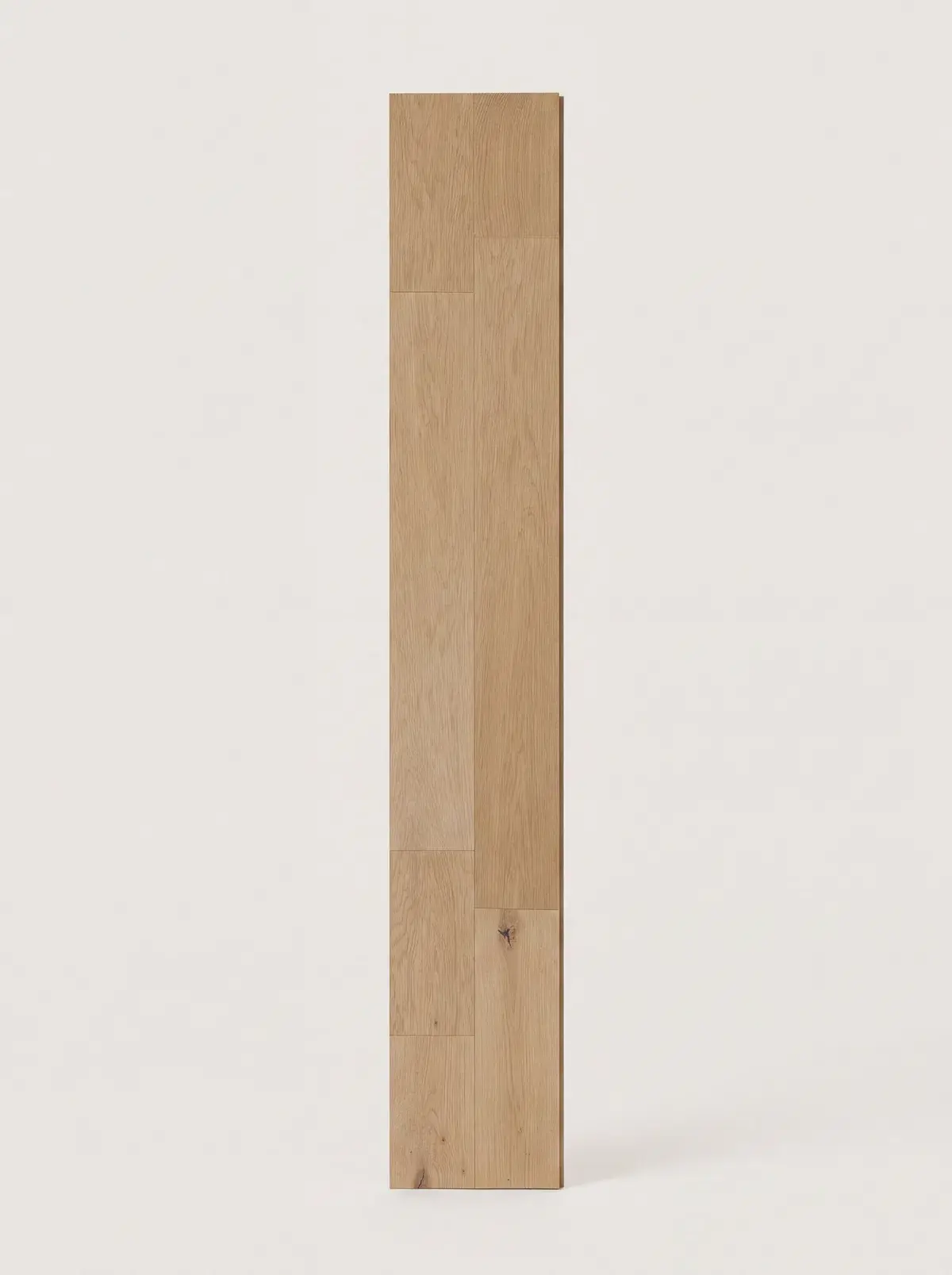
Engineered and solid hardwood both suit an older Roncesvalles home, because real timber reads right against the trim and proportions of a foursquare. Engineered hardwood is a wood surface on a stable core, so it copes better with the dry heat these houses run in winter. Engineered hardwood options float, glue or nail down, which fits a board subfloor. Wood moves with the seasons, most of all through a dry, radiator-heated winter, so leave any hardwood to sit in the room for a few days before it goes down, and expect a little more movement from a wide solid plank than from an engineered one.
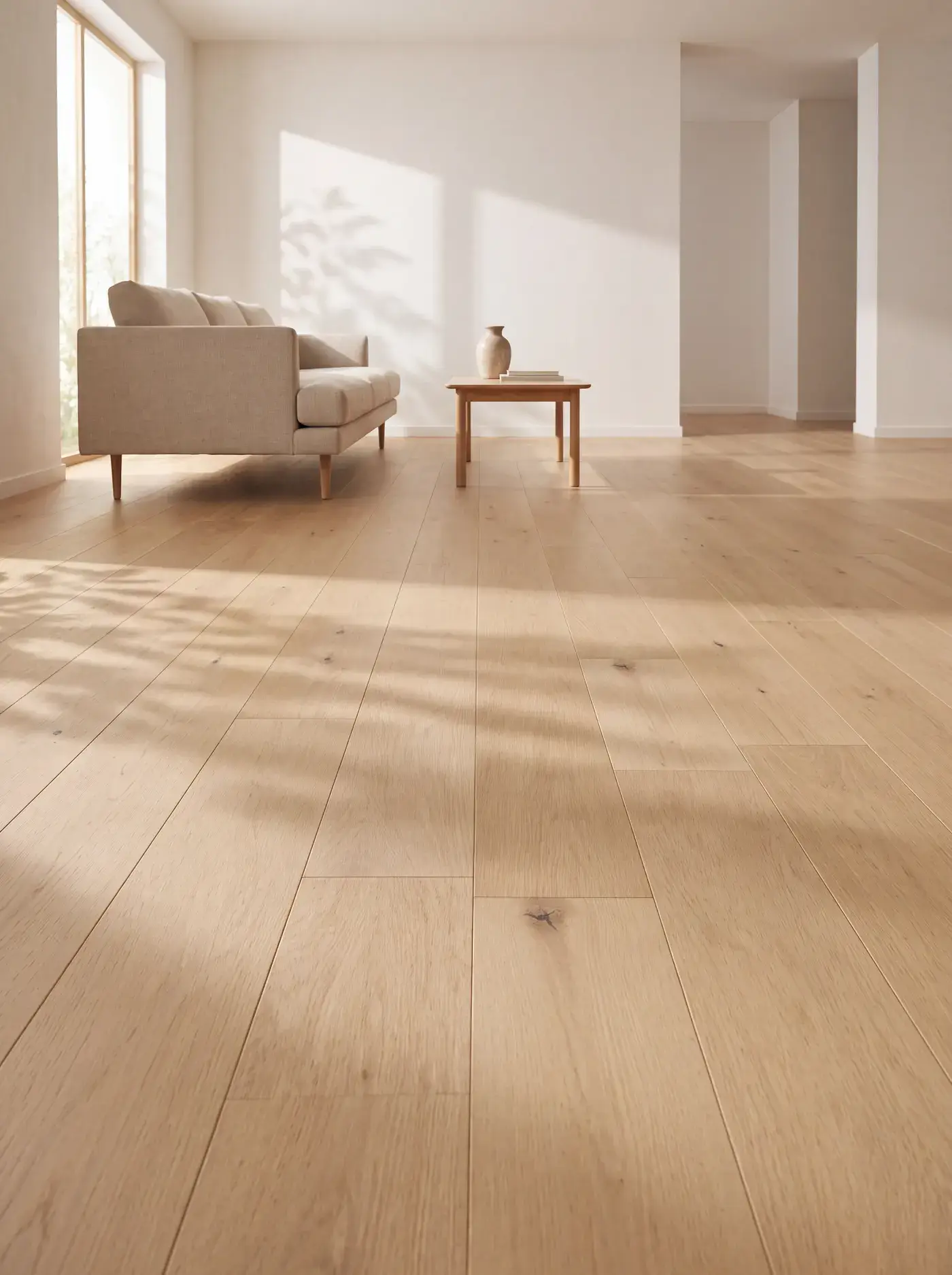
Solid hardwood is the traditional choice and can be sanded and refinished more than once, so it ages with the house, though it cannot go over radiant heat and it moves more with the seasons. Solid hardwood that can be refinished is nailed to the subfloor. Wider planks suit the room sizes here, and a mid or natural oak tone hides everyday dust better than a very dark floor.
Do hard floors like SPC or laminate suit an older home?
Hard floors like SPC vinyl and laminate suit an older home too, just not in every room.
A century foursquare usually has a kitchen, an entry and sometimes a finished basement where moisture and spills matter more than period looks, and that is where SPC vinyl or laminate earns its place. SPC handles water at a sink or a back door better than wood, and its rigid core copes with a slightly uneven old floor once the base is levelled. Laminate is the budget choice and takes daily scuffing well, though it prefers the drier rooms. Compare the five flooring types before you mix materials across the house.
Should the floor run the same through the house?
In a street of near-identical foursquares, one continuous floor running through the main rooms makes the house read larger and truer to its period than a change of material at every doorway. Keep the transitions for where they earn their place, such as the kitchen or a bathroom. Because the layouts repeat along Roncesvalles Avenue, between High Park and the lake at Sunnyside, a plan that works in one house usually works next door, which makes it easier to picture before you commit.
What to do before you choose a floor
Start with the subfloor, because in a house this age it sets the budget and the method before the look does. The floor you fall for still has to suit what is underneath it.
- Have the subfloor checked for level, moisture and squeaks, so you know whether it needs work before the floor goes on.
- Shortlist the floors that suit a board subfloor and the character of the house, then handle the samples in person.
- When you are ready, get a price range for your unit, which takes about two minutes online. A free measurement turns the range into a firm price, with the waste and the prep included.
Floors that fit this guide
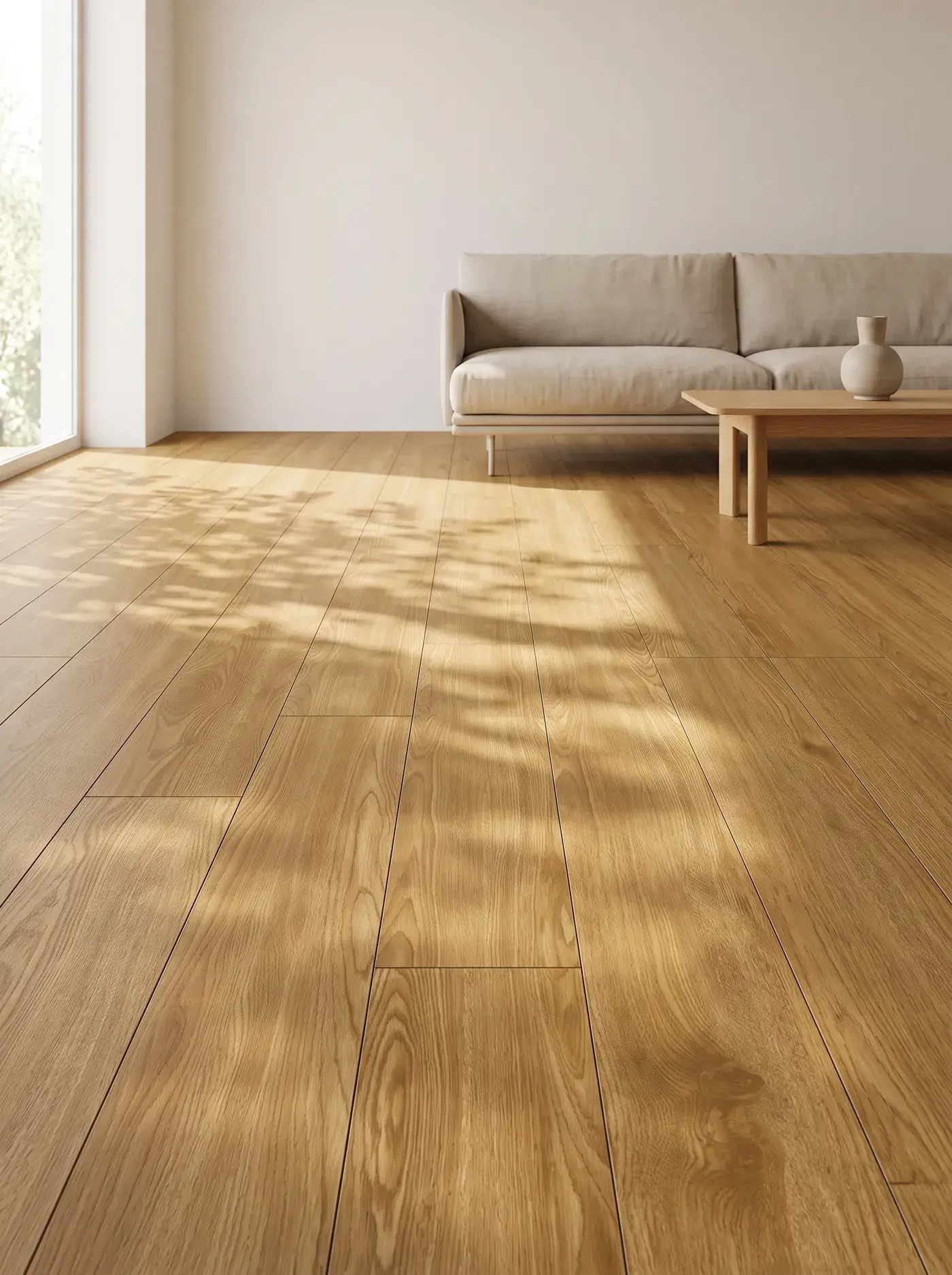
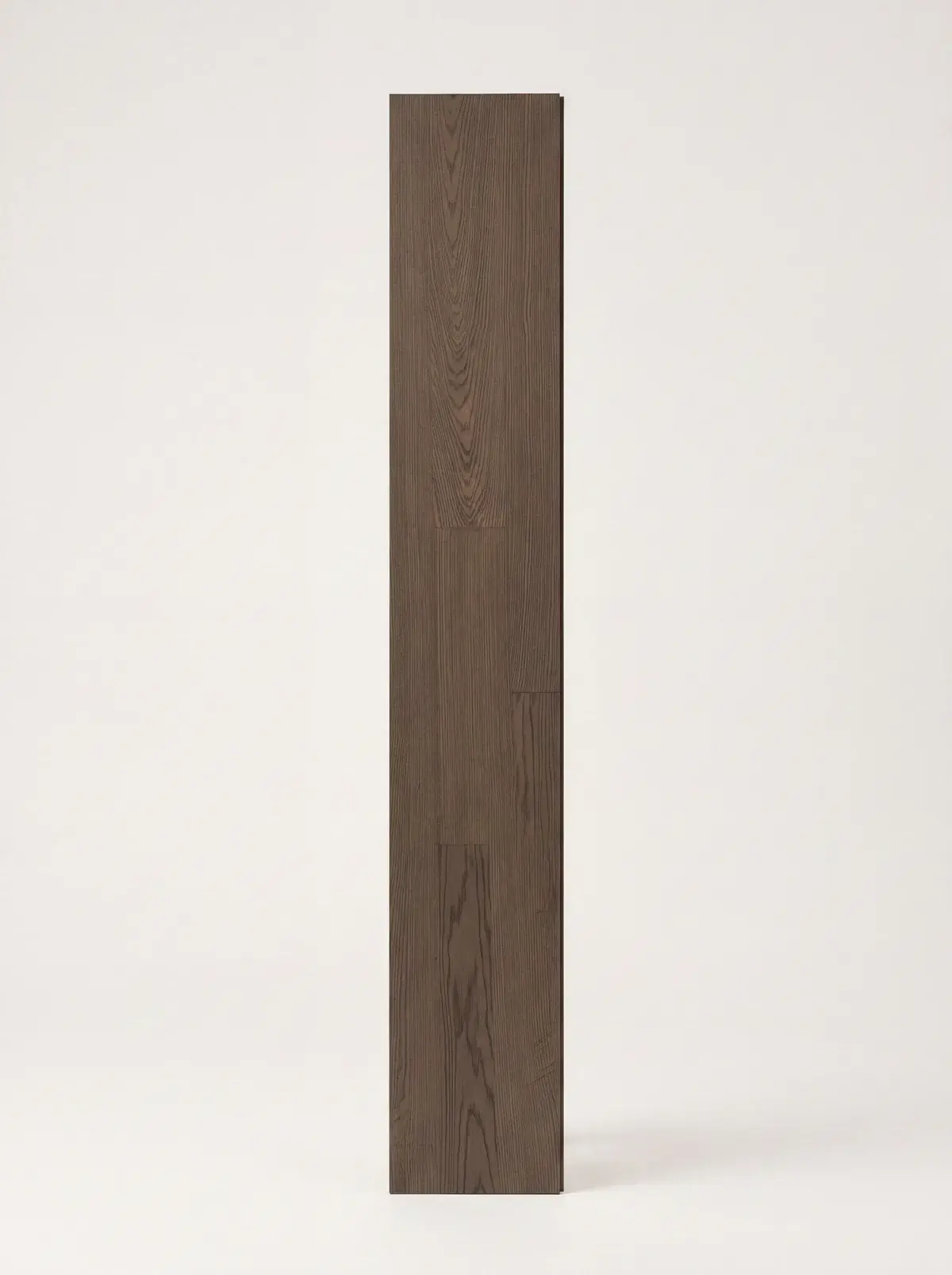
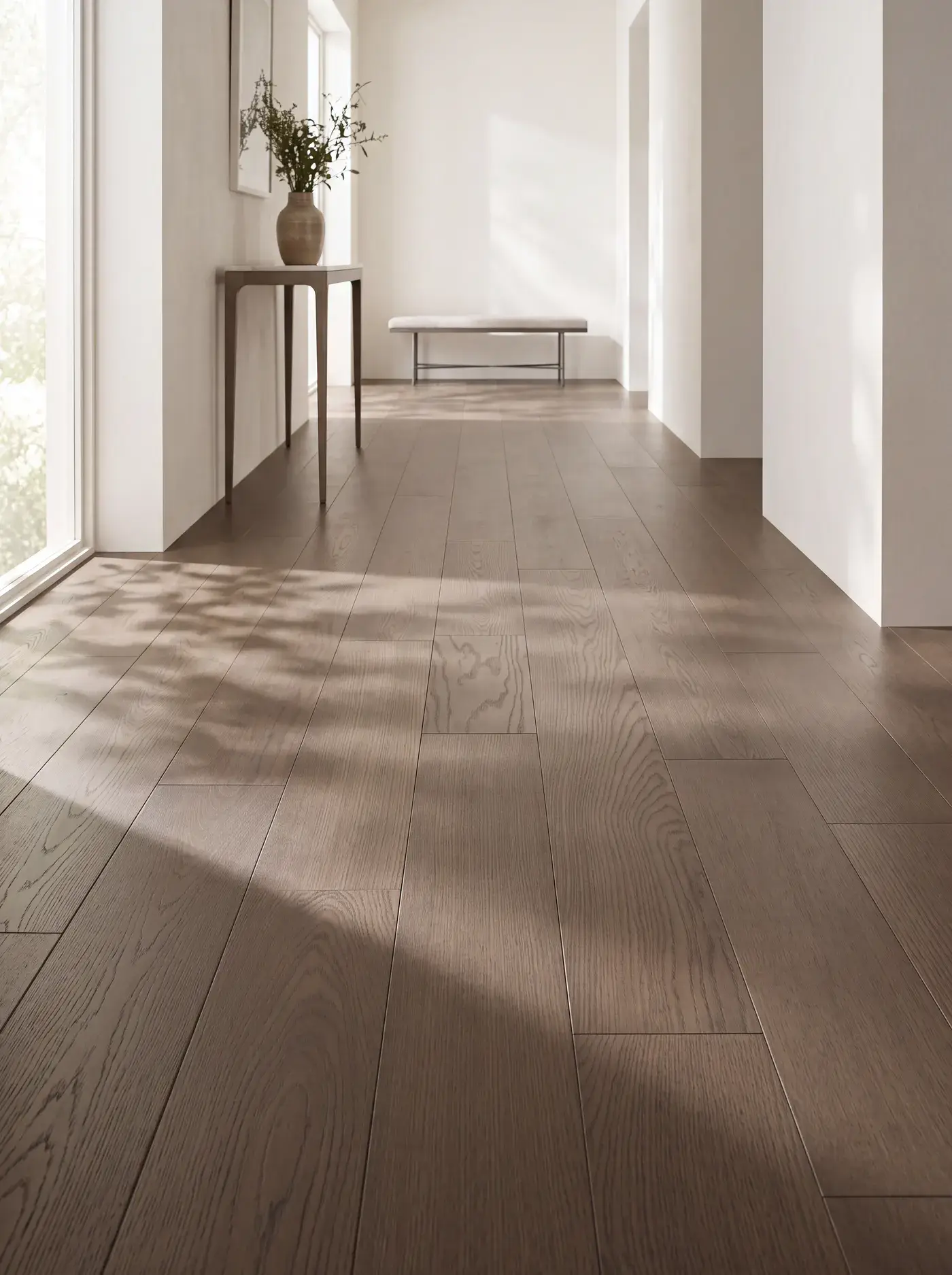
Browse every floor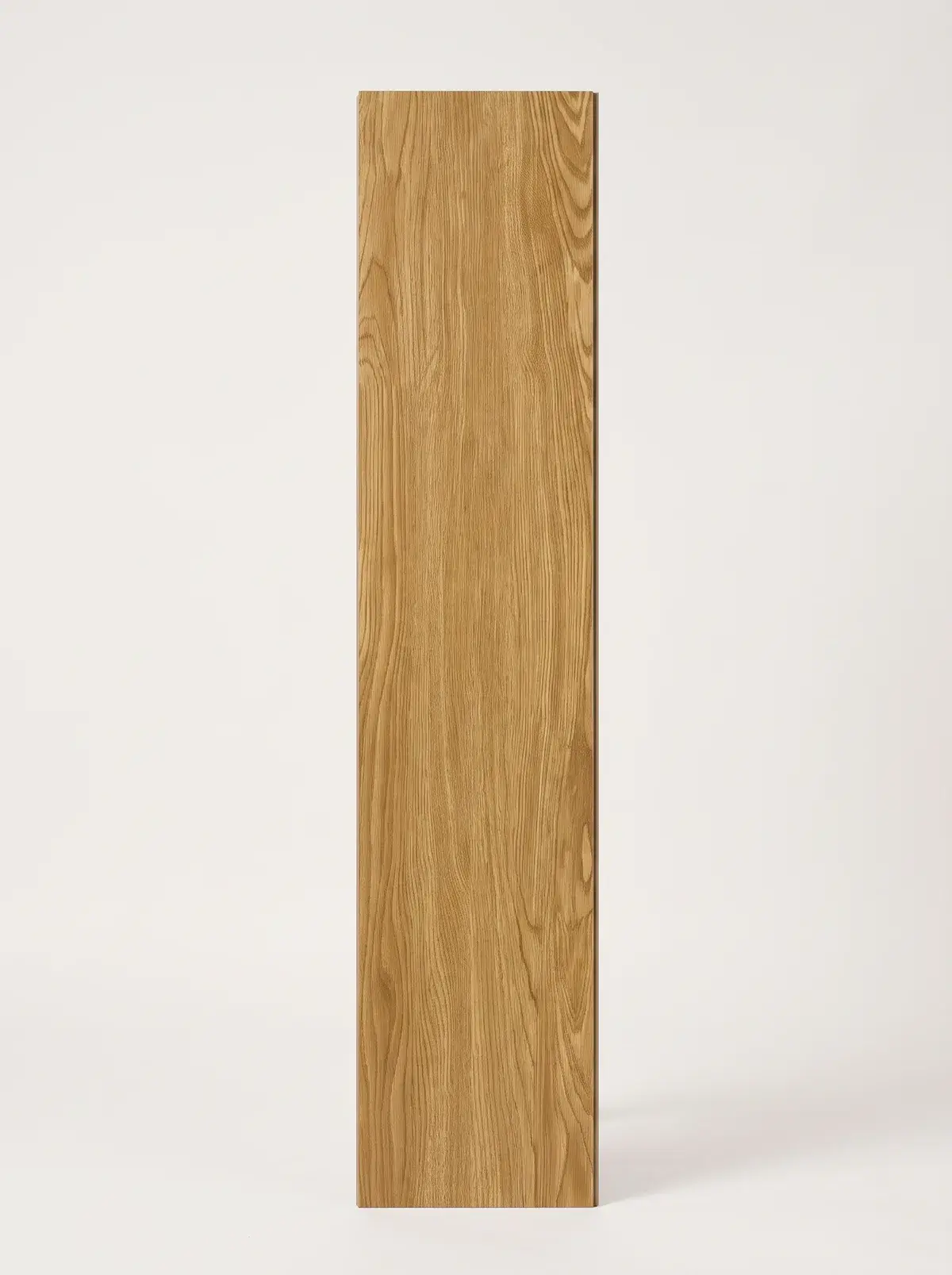
Frequently asked questions
Usually yes. Roncesvalles houses sit on a wood-joist structure with a board subfloor, which is what nail-down solid hardwood needs, unlike a condo on a concrete slab. The subfloor still has to be sound and level, so it is checked at the measurement visit before anyone commits to nailing a floor down.
It varies. Under the carpet in an older Roncesvalles house you often find a plank subfloor on the joists, sometimes with original hardwood or a later floor on top. Because a century of changes hides below, the measurement visit checks what is actually there before the new floor is quoted.
Often. A floor laid a hundred years ago can dip, squeak or slope, and a floating or nailed floor on top of it will follow those faults. Not every house needs levelling, but it is checked first, and any repair is priced before the new floor goes down rather than found mid-job.
Engineered or solid hardwood suits a century foursquare best, because timber matches the trim and proportions of the period. Engineered copes better with dry winter heat, while solid can be refinished as it ages. Wider planks and a mid oak tone tend to look right in these rooms.