Costs & Planning
Old Parquet in a Toronto Condo: Remove It or Cover It?
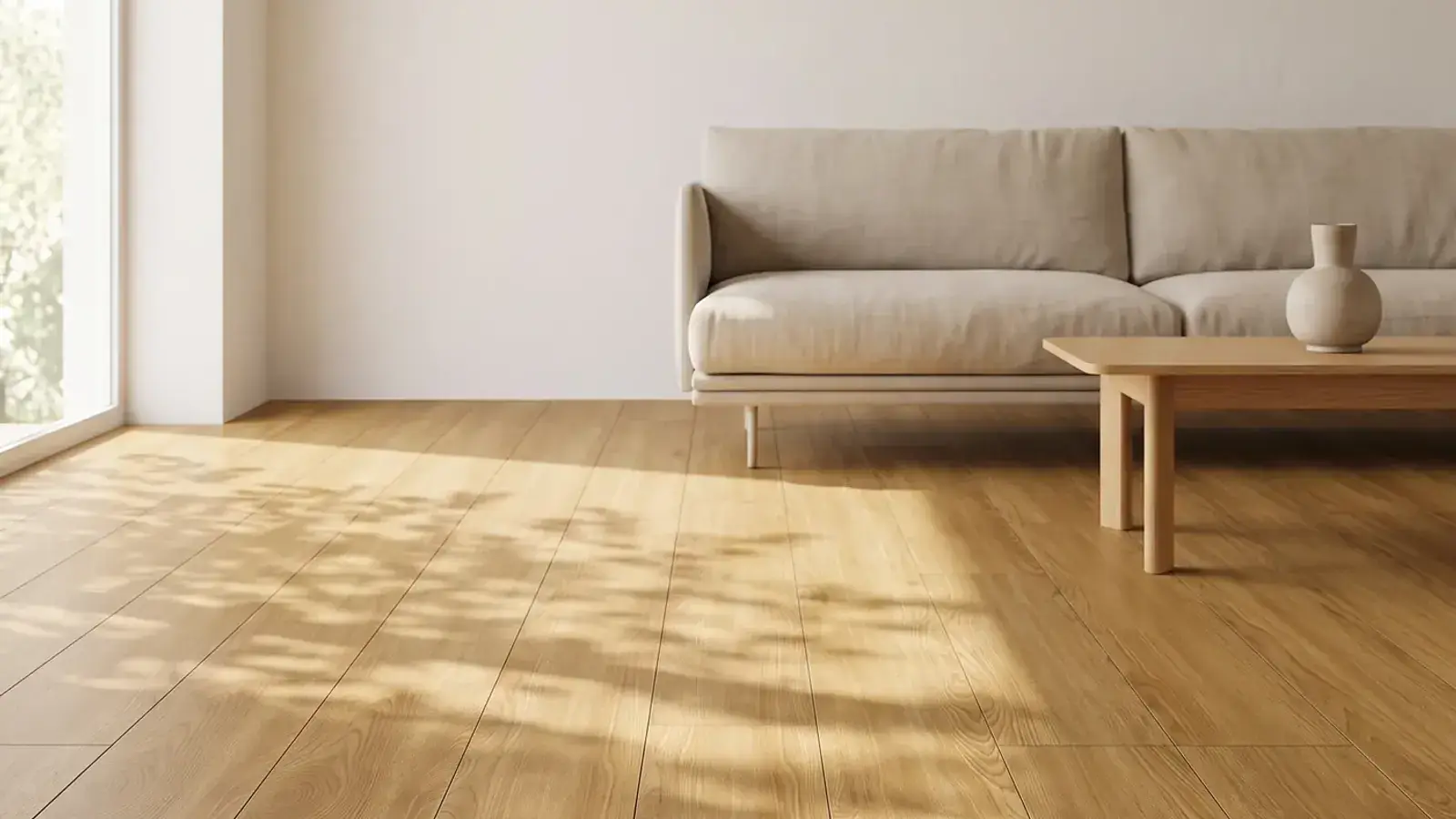
To remove parquet flooring or cover it depends on one thing: whether the parquet is sound and flat. If the wood blocks are solid and level, a new floating floor can often go straight over them. If they are lifting, hollow or uneven, they come up, and the glue underneath comes off the slab too. A free measurement tells you which case you are in.
Can you put new flooring over parquet?
Often, yes, if the parquet is firmly stuck down, flat and dry. A floating floor such as SPC vinyl or laminate needs a solid, level base, and sound parquet glued to a concrete slab can be that base once any loose blocks are refixed or replaced. The catch is height: a new floor on top raises the finished level, so doors may need trimming and transitions to tile or the hallway have to be planned.
Covering only works when the parquet passes three checks. Tap across it for hollow spots, run a level over the dips, and look for any cupping or dark staining that points to past moisture. One failed check and removal is the safer route, because a new floor is only ever as flat and stable as what sits beneath it. What supply and install includes covers how we assess the existing floor on the measurement visit.
How hard is it to remove glued parquet from concrete?
Harder than most floors, because parquet is wood glued directly to the slab. The blocks are pried and scraped up first, then the black cutback adhesive left behind has to be ground off so the next floor has a clean, flat base. That grinding is dusty, slow work, and it is the part people forget when they picture a quick tear-out.
In a Toronto condo tower the job comes with extra steps. The grinding needs dust containment to protect your suite and the corridor, the debris is heavy so it is weighed at the transfer station, and the building's elevator and permitted work hours set the pace. We price removal by what is on the floor now, because the tear-out labour and the disposal both change with it.
Is parquet flooring outdated, or worth keeping?
Parquet is not outdated so much as out of fashion, and solid parquet can be sanded and refinished like any hardwood. If your blocks are genuine wood, tight and thick enough to take a sanding, refinishing them in a current tone often costs less than a full tear-out and a new floor, and it keeps real wood underfoot.
Refinishing stops being worth it when the blocks are thin engineered squares, when many are loose or missing, or when water has cupped them. At that point the wood cannot take a sand, and a new floor is the honest answer. Weigh the three paths before you commit, because each suits a different starting condition.
| Path | When it fits | What to watch |
|---|---|---|
| Cover it | Parquet is sound, flat and dry | Added height at doors and transitions |
| Remove it | Blocks lift, cup or sound hollow | Dusty glue grinding and disposal by weight |
| Refinish it | Solid wood blocks, thick and tight | Thin or water-damaged blocks cannot be sanded |
Which new floor goes over or replaces parquet?
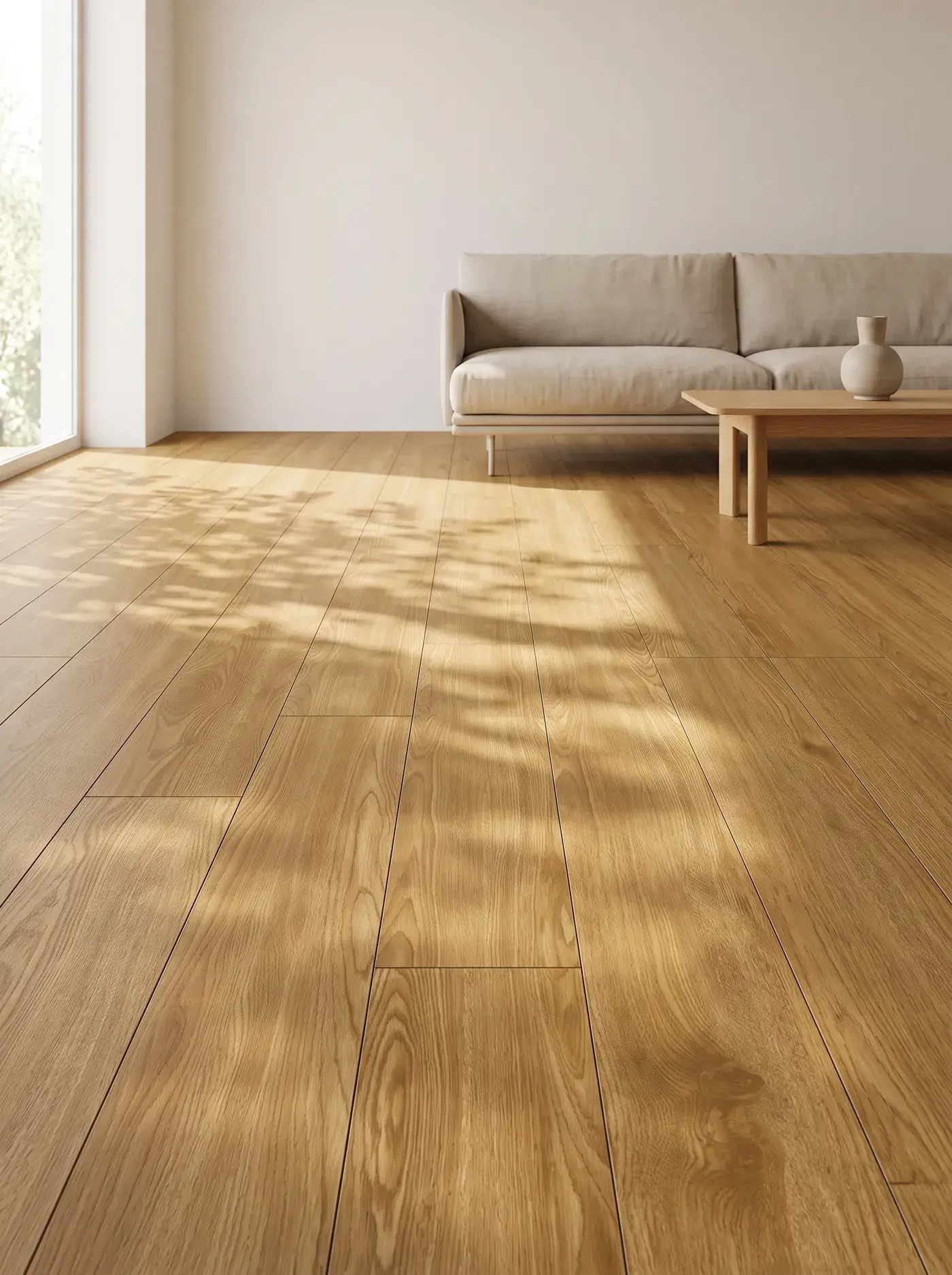
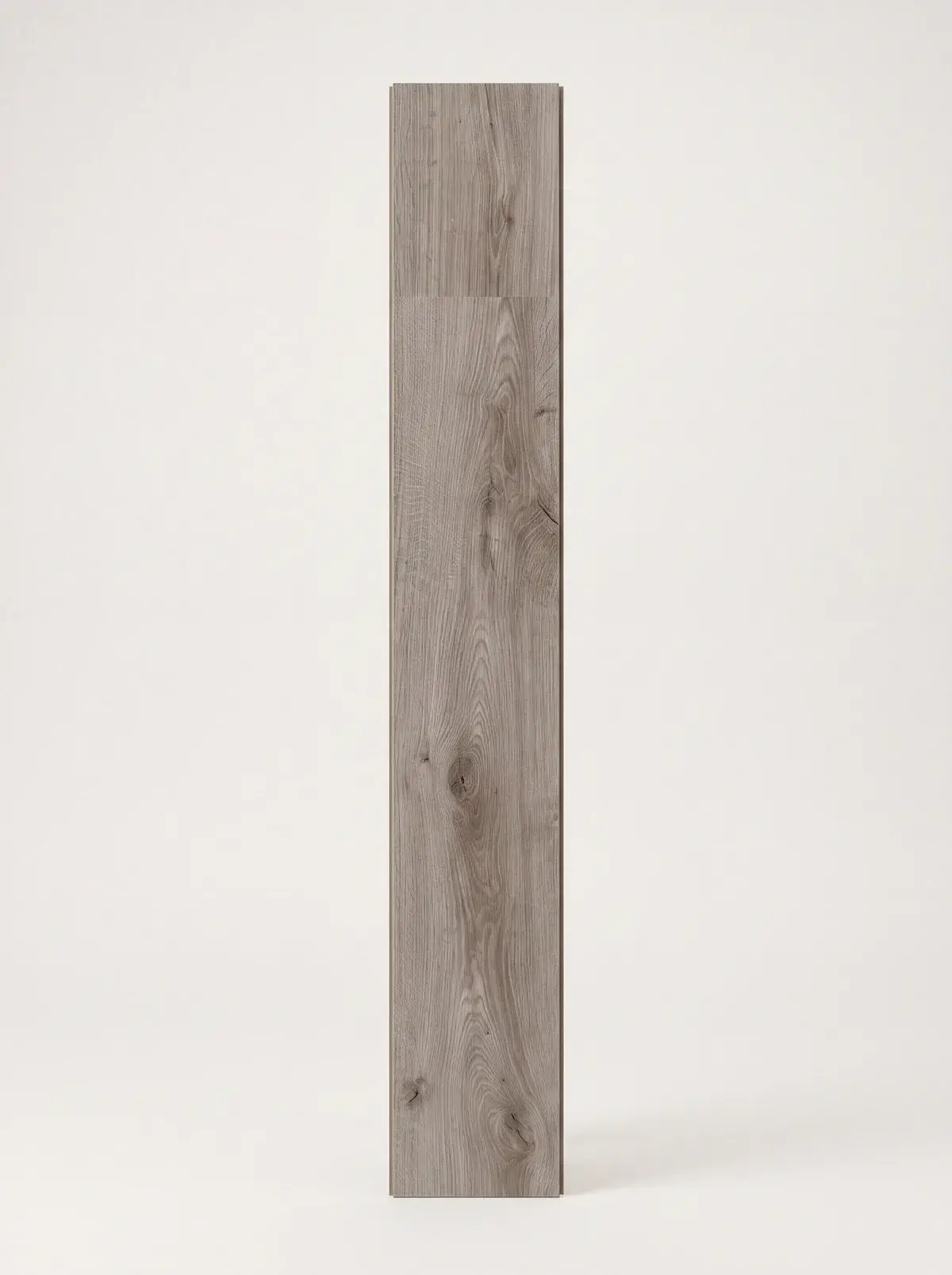
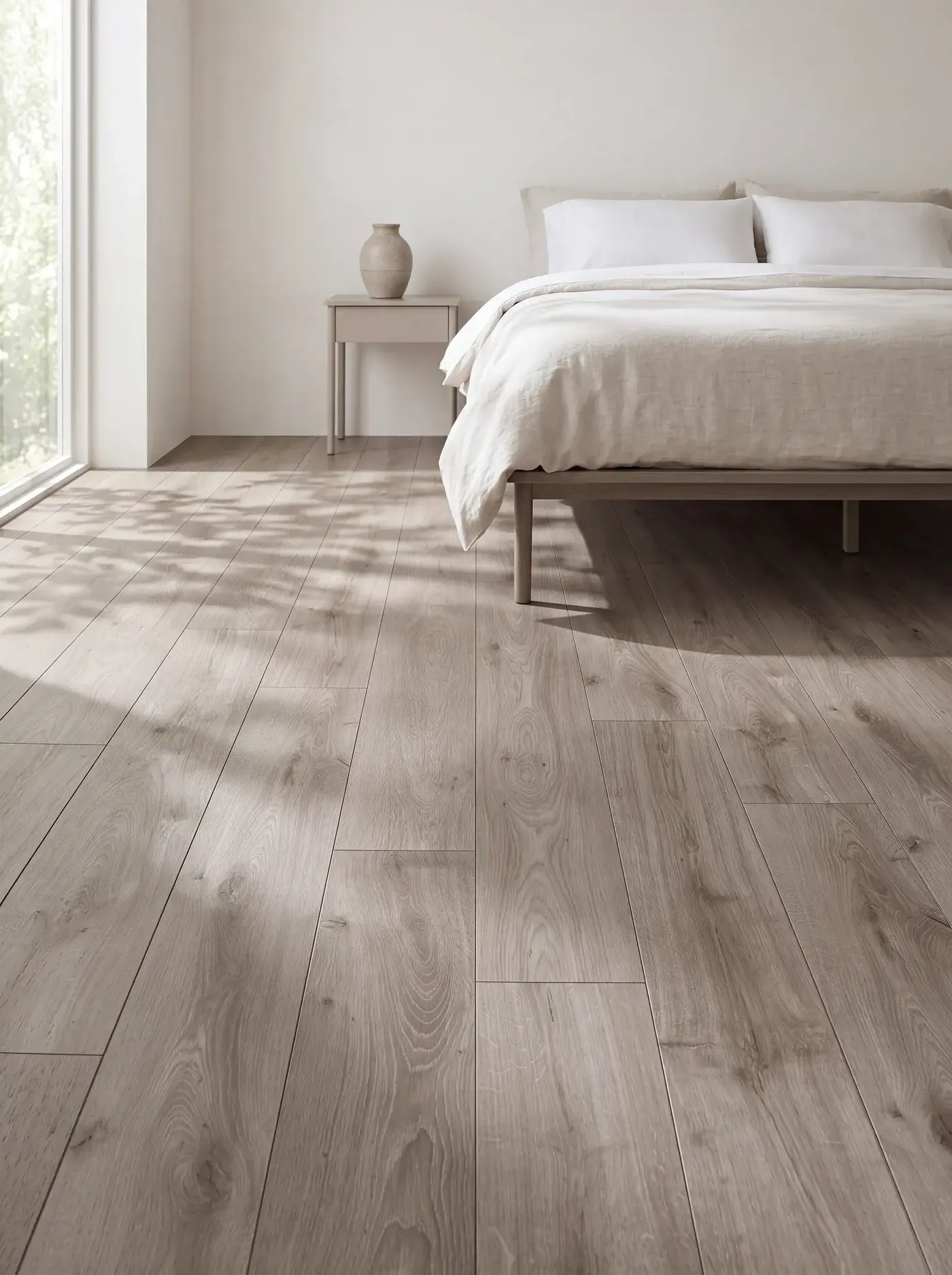
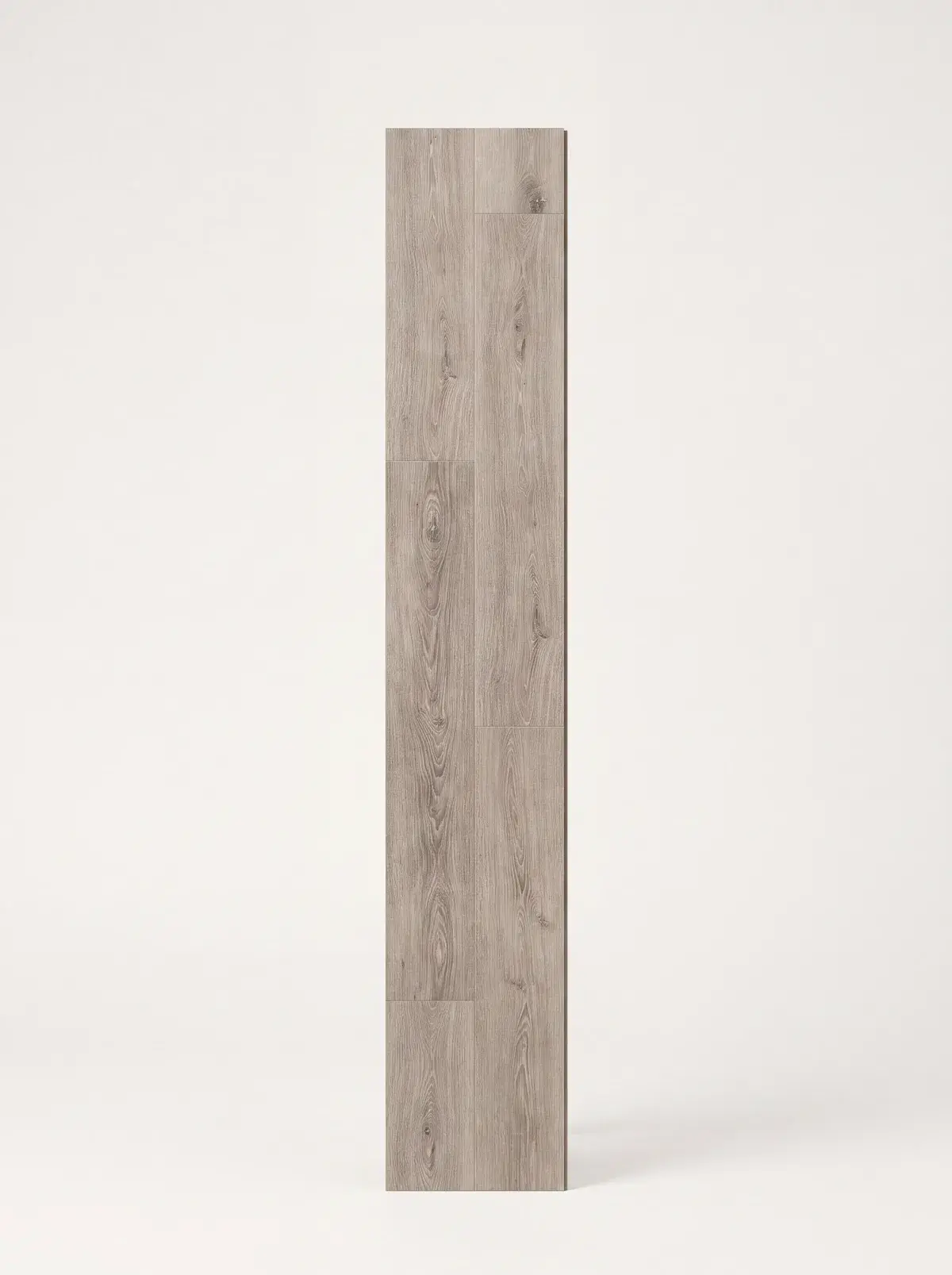
Over a prepared slab or sound parquet, SPC vinyl and laminate are the usual choices in a condo, because they float and cope with the flat base a tower suite gives you. Engineered hardwood is the move when you want real wood back without nailing into concrete. You can compare the five flooring types to see how each behaves over a slab.
Whichever you pick, the condo corporation's flooring rule still applies in Ontario: the underlay, the approval and the elevator booking come before the order. We confirm those for you, then the measurement turns the plan into a firm price.
What to do with your parquet next
Decide the path from the floor's condition, not its age.
- Check the parquet: tap for hollow blocks, level for dips, look for cupping or staining.
- In a pre-1990 building, test the adhesive and any tile for asbestos before grinding.
- Pick a path: cover sound parquet, remove failing parquet, or refinish solid wood blocks.
- Once you know the condition, get a price range for your unit, and the free measurement confirms whether it covers or comes up.
Floors that fit this guide
Browse every floor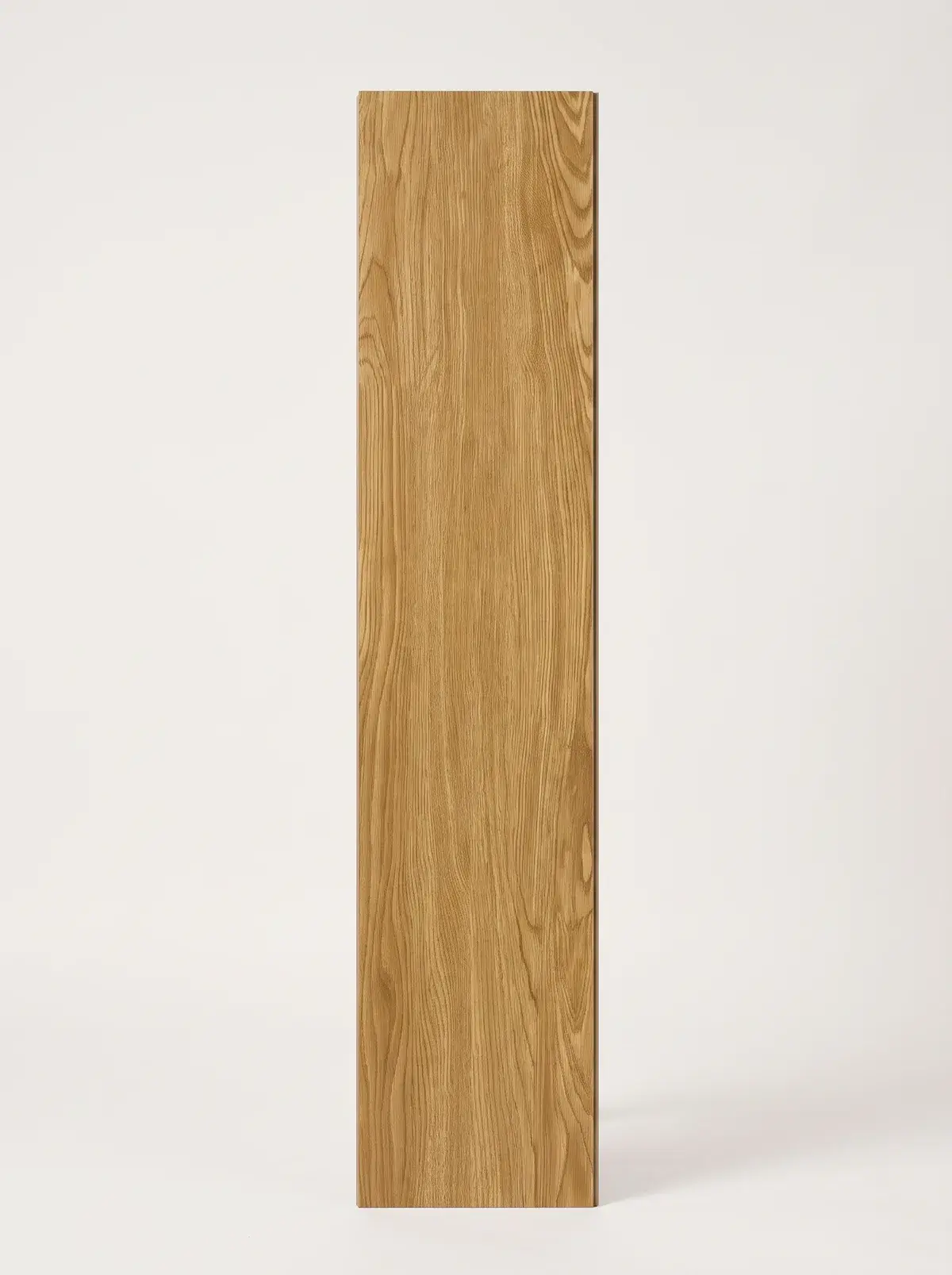
Frequently asked questions
You can install SPC vinyl plank over parquet when the parquet is firmly glued down, flat and dry. Loose or cupped blocks must be refixed or removed first, because a floating floor needs a solid, level base. The new floor also raises the height, so doors and transitions may need adjusting.
Glued parquet is removed in two stages: the wood blocks are pried and scraped up, then the cutback adhesive left on the slab is ground off so the next floor has a flat base. The grinding is dusty and slow, which is why removal is priced by what is actually on the floor.
Removing parquet costs more than pulling up carpet, because the glue has to be ground off the slab and the heavy debris is charged by weight at the transfer station. The exact figure depends on the suite size and condition, so a free measurement sets the firm price after the parquet is assessed.
Old parquet can be refinished when the blocks are solid wood, tight and thick enough to take a sanding. Refinishing in a current tone often costs less than a full replacement and keeps real wood underfoot. Thin engineered squares, loose blocks or water-cupped wood cannot be sanded and need replacing.