Local Guides
Keeping a Humber Bay Condo Quiet Underfoot

Quiet condo flooring in Humber Bay starts with the building, not the plank. A hard floor on a tower slab carries footsteps to the suite below, so the corporation's flooring rule and the right acoustic underlay matter more than the board you pick. Ask management for that rule in writing first.
Why footsteps travel in a Humber Bay tower
In Humber Bay Shores, home is almost always a unit stacked inside a concrete tower on the lake side of Lake Shore Boulevard West. Concrete carries impact sound well, so a heel strike or a dropped mug reaches the ceiling below far more readily than conversation does. The oldest of these buildings, Palace Pier, went up in 1978, while the newest, Eau du Soleil and Vita on the Lake among them, climb past 50 storeys, and the slab poured in one era need not behave like the slab poured in the next.
Because the change affects the unit below, the building gets a say in it. That is why condo flooring and building approvals come before you settle on a plank, and why the quieter the finished floor needs to be, the earlier you want the building's rule in hand.
What is impact noise, and who sets the rule?
Impact noise is the sound of footsteps, chair legs and dropped objects moving through the structure. Airborne noise, such as voices or a television, is a separate problem that flooring does little about. Your condo corporation sets the standard for impact noise in its declaration, rules or flooring policy, and that standard applies to the finished assembly of slab, underlay and plank together, not to the plank on its own. In practice the rule names an acoustic underlay, a minimum rating for the finished floor, or both, and it often limits how high the new floor can build up off the slab.
Get that rule from your property manager in writing before you shortlist a single floor. If a product advertises an impact rating, ask what assembly it was tested on, because the figure depends on the slab and the underlay as much as the plank. Palace Place and the earlier towers can sit on different slab conditions than the newest buildings, so the written rule and the test behind any number matter more than the number itself.
Does swapping carpet for a hard floor make it louder?
Usually, yes, which is why the building pays attention. Carpet absorbs footsteps, while a hard floor passes more of them to the slab and on to the suite below, so most Humber Bay corporations treat a carpet-to-hard-floor change as the moment their flooring rule applies. Older towers such as Palace Pier often still have their original carpet, and taking it up is exactly when the acoustic underlay and the approval matter most. It does not mean you cannot have a hard floor. It means the underlay and the rule do the work the carpet used to.
Does the underlay or the floor make a condo quieter?
The underlay usually does more for impact noise than the plank, because it separates the floor from the slab. That is why most Humber Bay buildings specify an acoustic underlay and want to see it named in the approval. The plank still counts: a denser floor on the right underlay is quieter than a thin board floating over a hard surface. A dense acoustic mat also lifts the floor a little, so the thresholds at the door and the balcony get sorted at the same time.
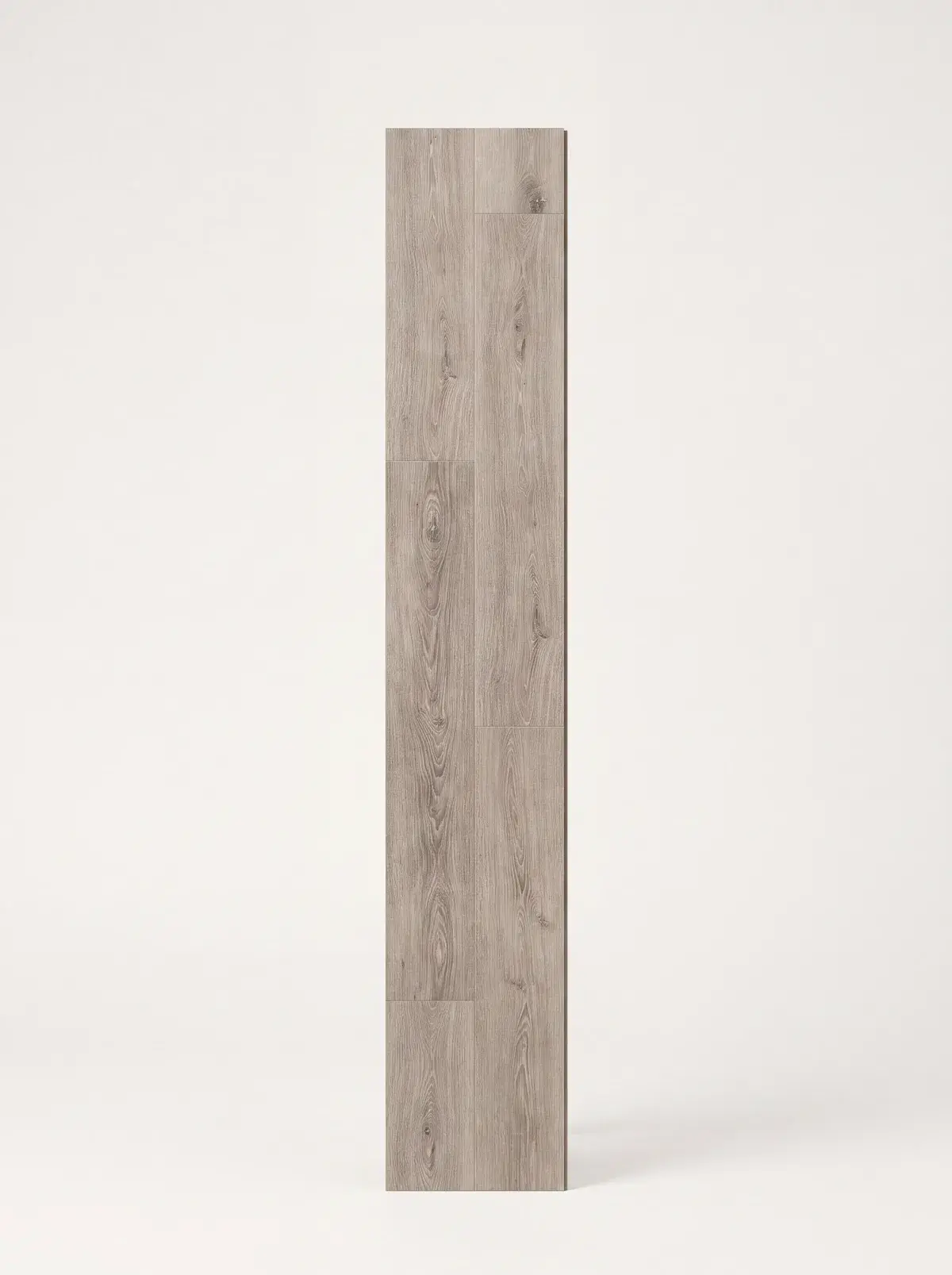
SPC vinyl in the Marina Collection comes with an attached pad, which helps, though many buildings still want a separate acoustic underlay beneath it. Laminate floats over whatever underlay the building accepts. Engineered hardwood can feel warmer underfoot, but it is the one most likely to sound hollow if the underlay is wrong. SPC vinyl plank floors explains how a rigid plank sits over the slab.
Which floors keep a Humber Bay suite quiet?
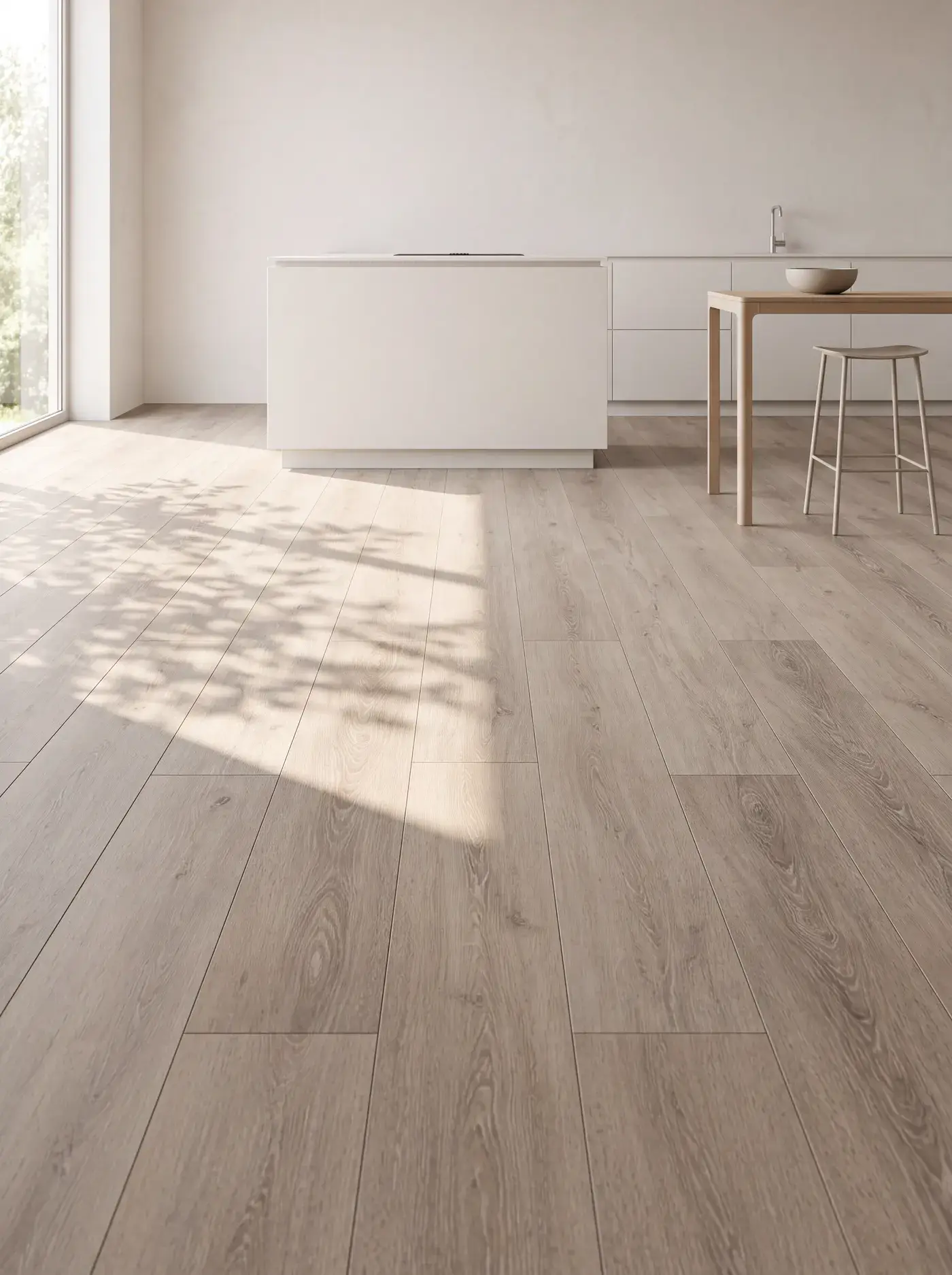
For most suites across the Humber Bay Shores towers, the quiet shortlist is SPC vinyl or laminate on an acoustic underlay the building approves, with engineered hardwood when you want timber and the rule allows it. None of them is free of compromise, so pick by how the rooms are lived in, not by the sample alone.
| Floor | Where it helps | The trade-off |
|---|---|---|
| SPC vinyl | Attached pad plus an acoustic underlay | Firmer and cooler than wood |
| AC4 laminate | Floats on the underlay the building accepts | Wants dry rooms |
| Engineered hardwood | Warmer underfoot | Marks sooner, needs the right underlay |
Weighing two of them against each other is easier side by side. Compare the five flooring types lays the behaviour out, and the showroom is where you feel how firm a plank is before you commit.
What to do before you choose a quiet floor
Start with the building. The written rule trims the options before you lose your heart to a sample, and it tells you whether the underlay you had in mind is even permitted.
- Ask the property management office for the flooring rule and the acoustic underlay it requires, in writing.
- Shortlist the floors that meet the rule, then handle the samples in person to feel how firm each one is.
- With the rule in hand, get a price range for your unit in about two minutes. Nothing is ordered until the building has approved the floor and a free measurement has set the firm price.
Floors that fit this guide
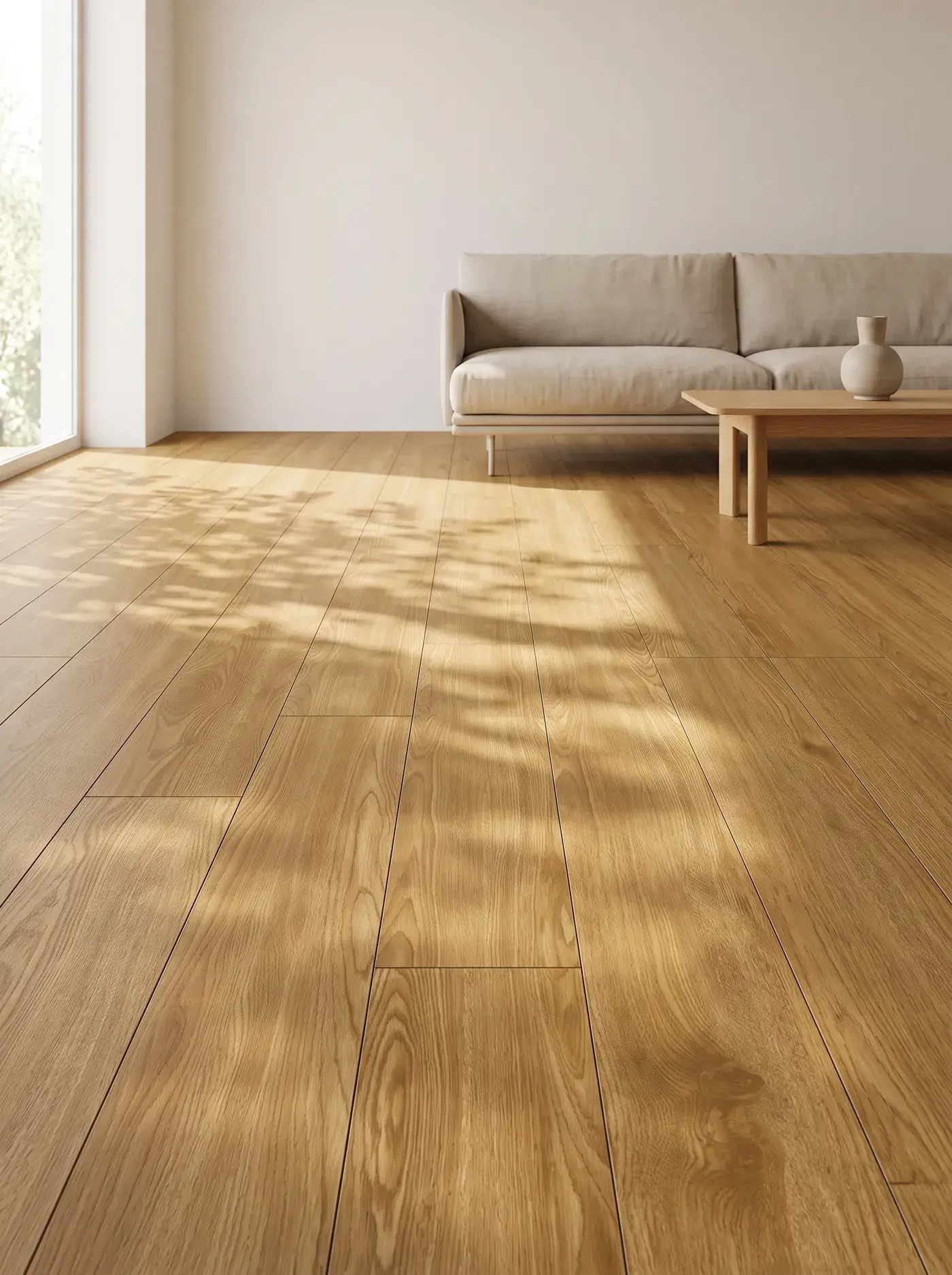
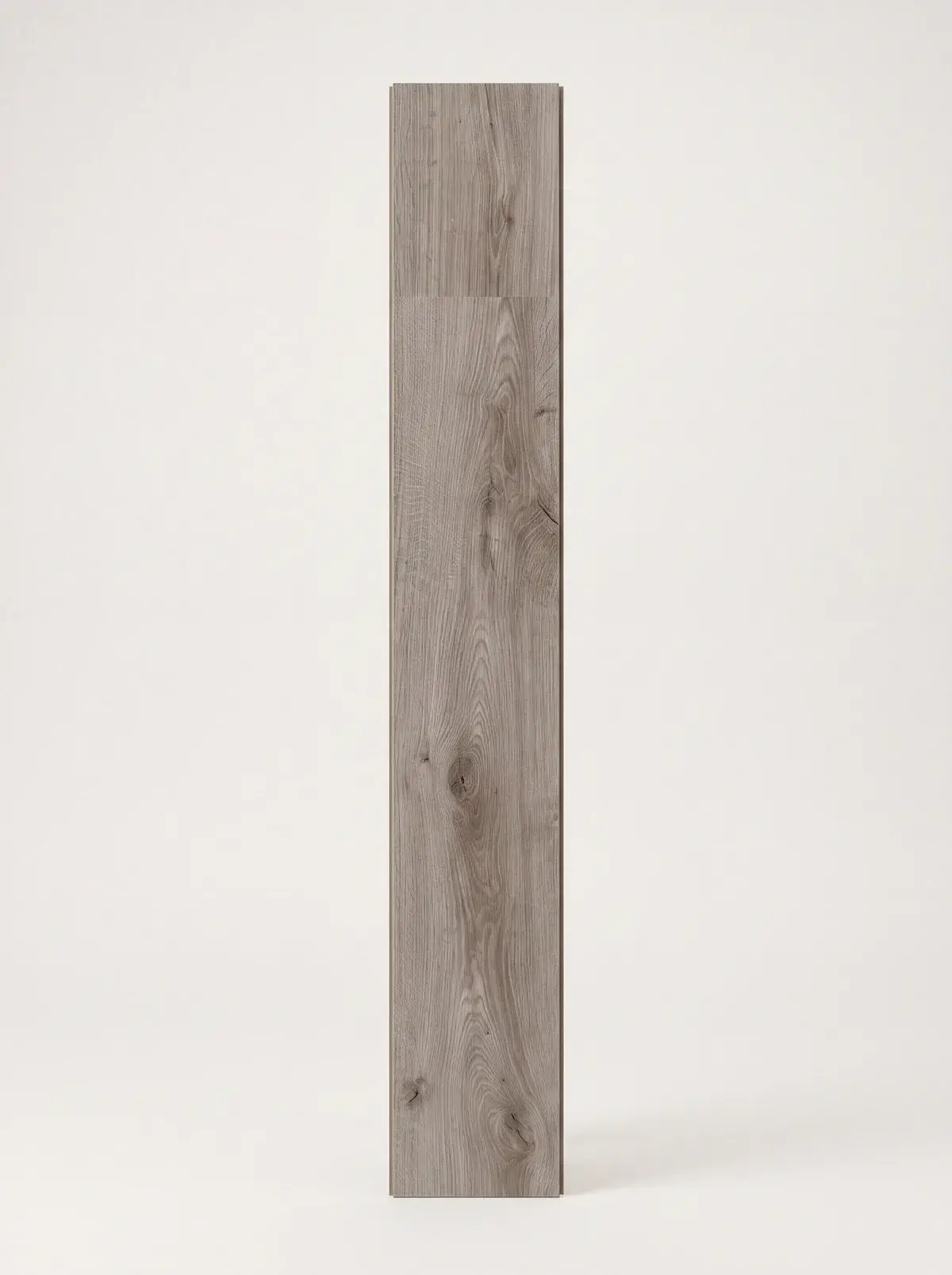
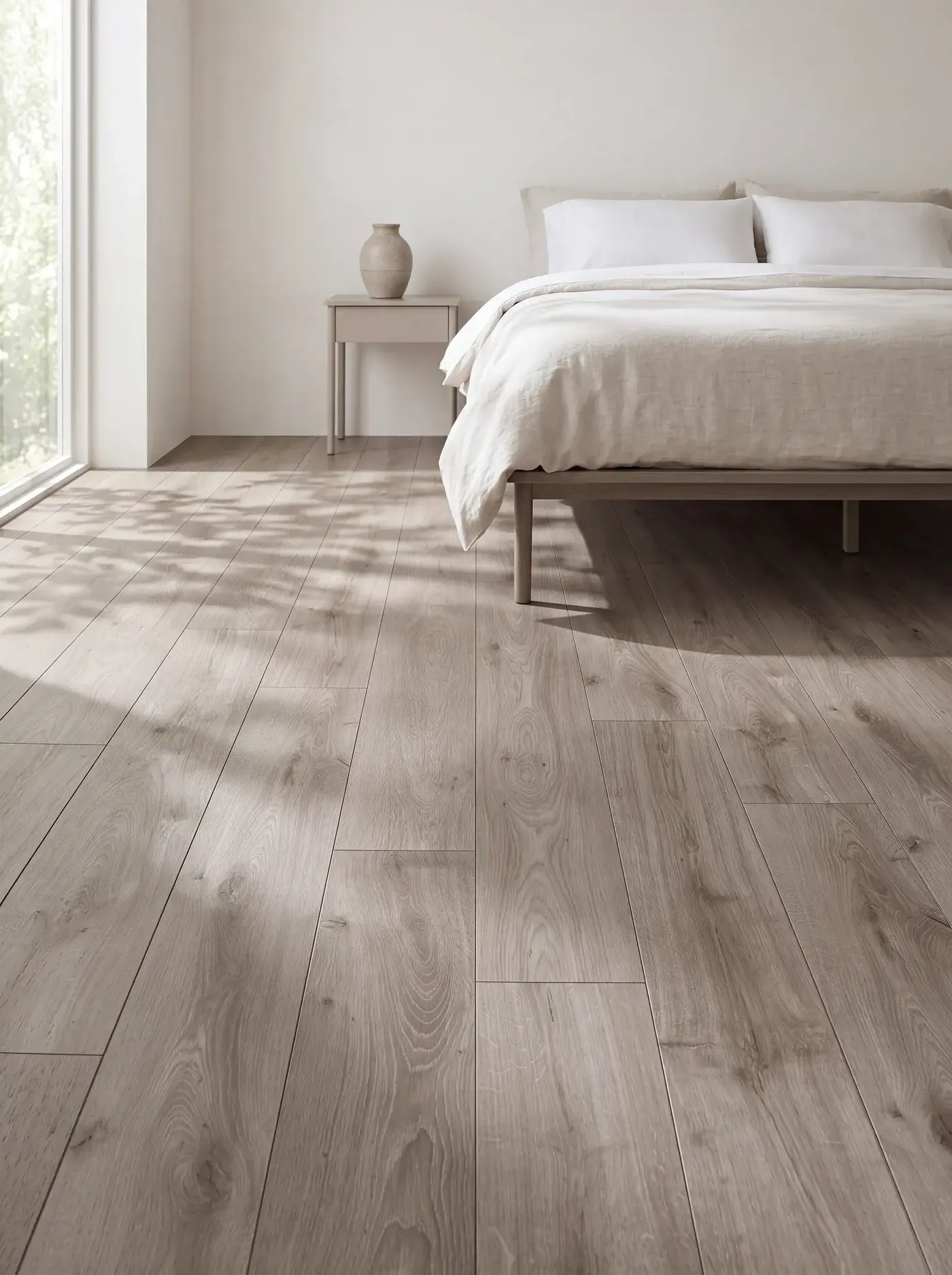
Browse every floor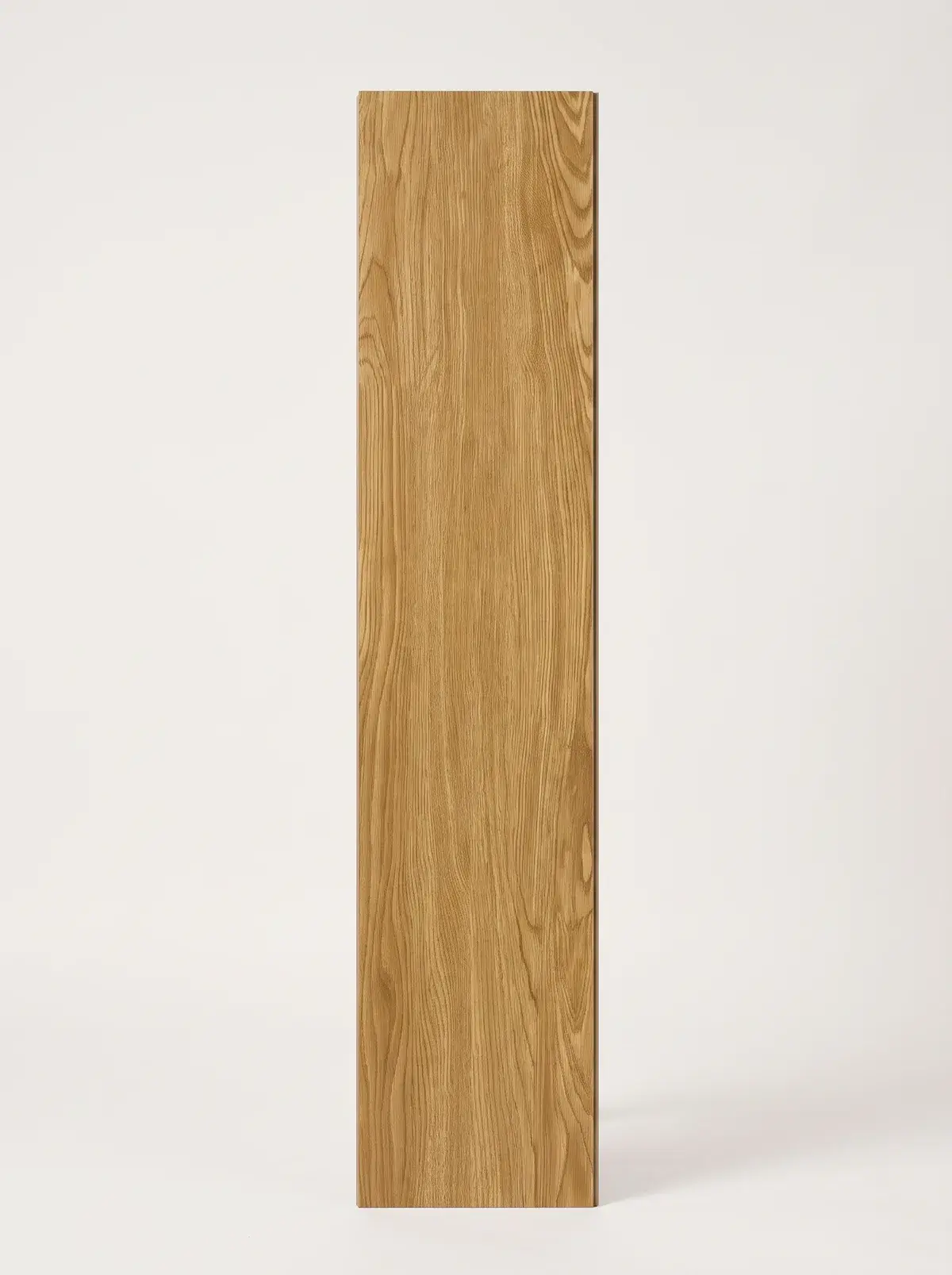
Frequently asked questions
Most do. Many Humber Bay corporations specify an acoustic underlay and want it listed in the flooring application, because the underlay does more for footstep noise than the plank. Ask the property management office for the exact underlay the building accepts before you order anything.
Neither is quieter by type alone. In a condo suite, the underlay under the plank and the slab beneath it decide most of the footstep noise. SPC vinyl carries an attached pad, yet many buildings still want a separate acoustic underlay, and laminate needs one too. Match the underlay to the building's rule.
Sometimes. Area rugs with a dense pad, felt pads under furniture and soft footwear all cut footstep noise without touching the floor. If the complaints continue, changing the underlay during a planned floor replacement makes the biggest difference, and that needs the building's approval first.
Not always. A thicker underlay can help with footstep noise, but the building's rule may cap the total floor height or name a specific product, and too soft an underlay can leave a plank feeling spongy. Use the underlay the corporation accepts rather than the thickest one you can find.