Local Guides
Replacing Carpet in a Humber Bay Condo

Replacing carpet with a hard floor in a Humber Bay condo means lifting carpet off a concrete slab, not a wood subfloor, so the job turns on noise to the suite below and your building's rule. In older towers like Palace Pier, test old floor tile for asbestos first. Get the written flooring rule before you choose a floor.
What sits under the carpet in a tower suite?
In a Humber Bay tower, the carpet sits on a concrete slab, over a thin foam pad with tack strips nailed along the walls. A house is different, because carpet there often hides plank or plywood laid over joists. The slab works in your favour: it is flat and solid, so most floating floors sit straight on an underlay the building accepts, and there are no squeaking boards to fix first.
Age changes one thing. Palace Pier opened in 1978 and Palace Place followed in 1991, and buildings from before 1990 can hold asbestos in old floor tile or the glue under it, hidden beneath the carpet. If your suite is in an older tower, have any tile tested before it is disturbed. Dry scraping is what sends the fibres into the air, so the test decides how the removal is handled, not whether the floor can change.
Who approves a Humber Bay condo carpet swap?
Your condo corporation does, and that approval is the first real step. Carpet soaks up footsteps, while a hard floor passes them to the unit below, so corporations set a standard for the finished assembly of slab, underlay and plank, and ask you to apply before any work begins. The rule lives in the declaration, by-laws and flooring policy, and the property management office can hand you the current version in writing.
Ask two things while you are there: whether the standard covers the whole assembly or the plank alone, and which underlay the building will accept. You can read how condo approvals work, and for the paperwork itself, what a tower board asks for.
The point of the rule is the neighbour below, not the look of your floor. Plan for it early and the rest of the job is ordinary.
Getting old carpet out of a high-floor suite
Carpet is the fastest floor to pull up. The crew cuts it into strips, rolls each strip with the underpad inside, and lifts the tack strips off the slab. What needs planning in a tower is the route out of the building, not the tear-out itself.
On Marine Parade Drive, Annie Craig Drive and Shore Breeze Drive, moving carpet out means a booked service elevator, protected shared halls, and a trip to a transfer station that charges by weight. Carpet is light, so disposing of it costs less than tile or glued vinyl, which weigh more and come up slower. Old floor removal and furniture moving are priced from what is on the floor now and how the building runs, which is why the firm number follows the measurement rather than the phone call.
What replaces carpet well on a concrete slab?
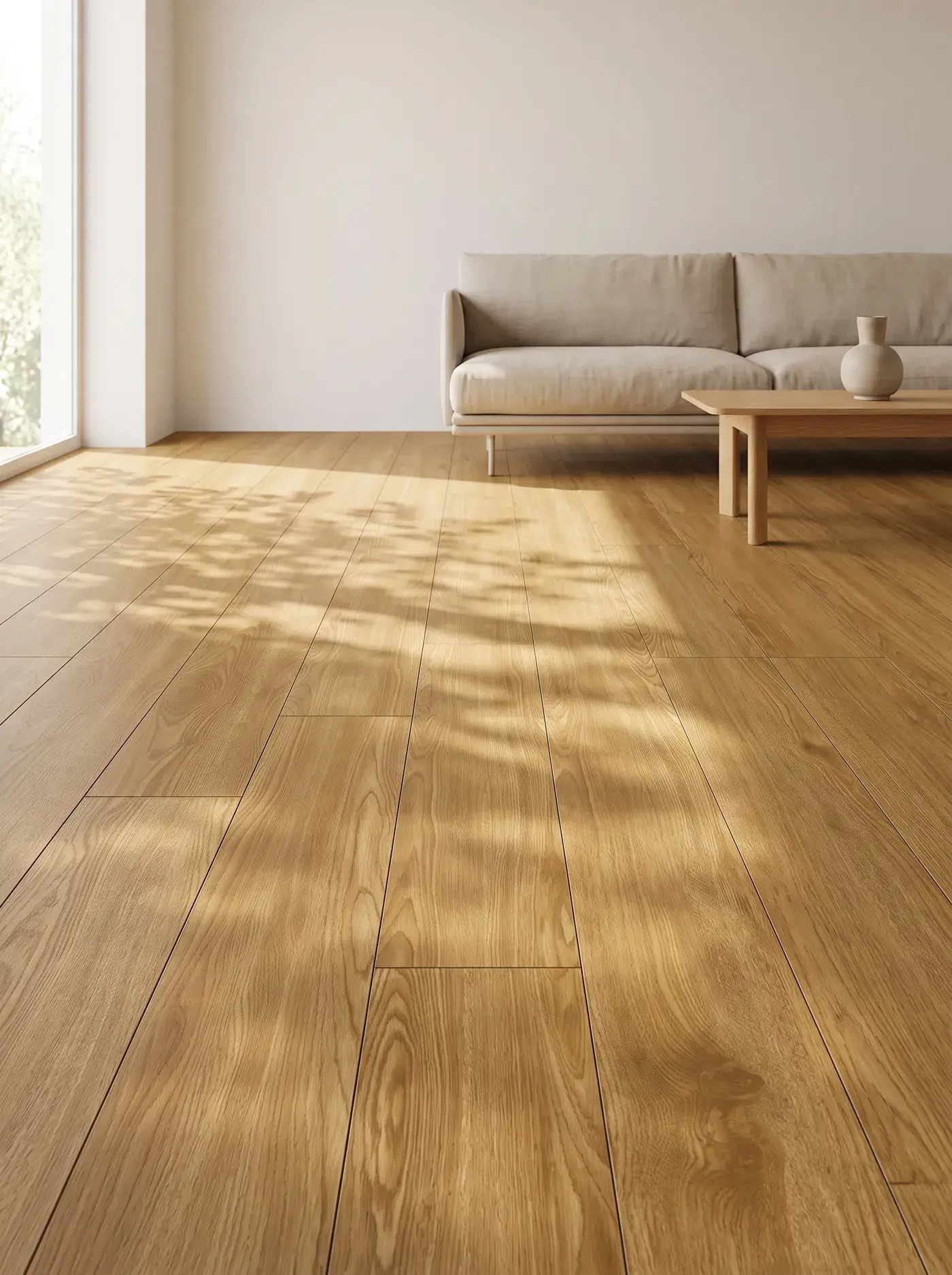
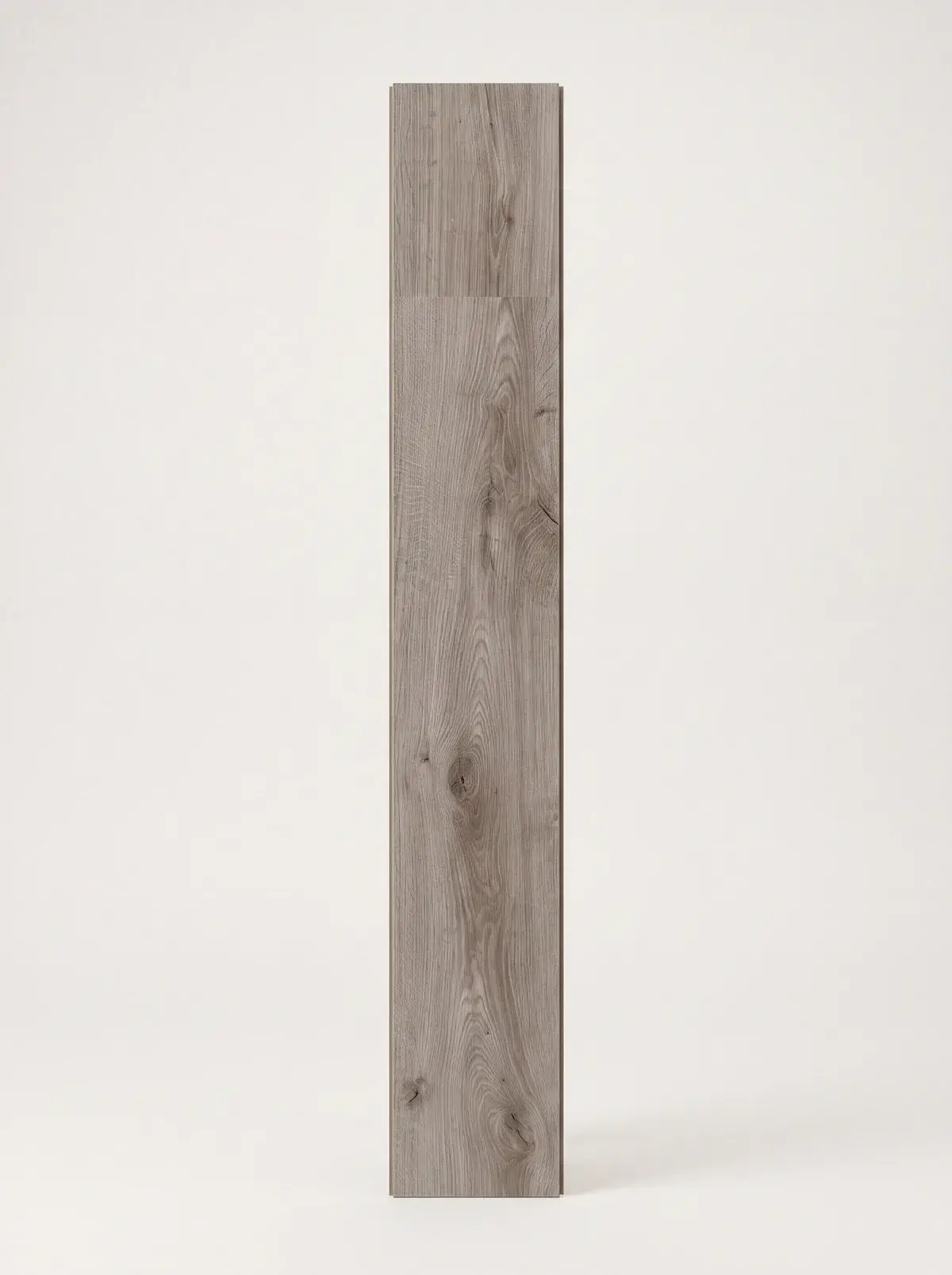
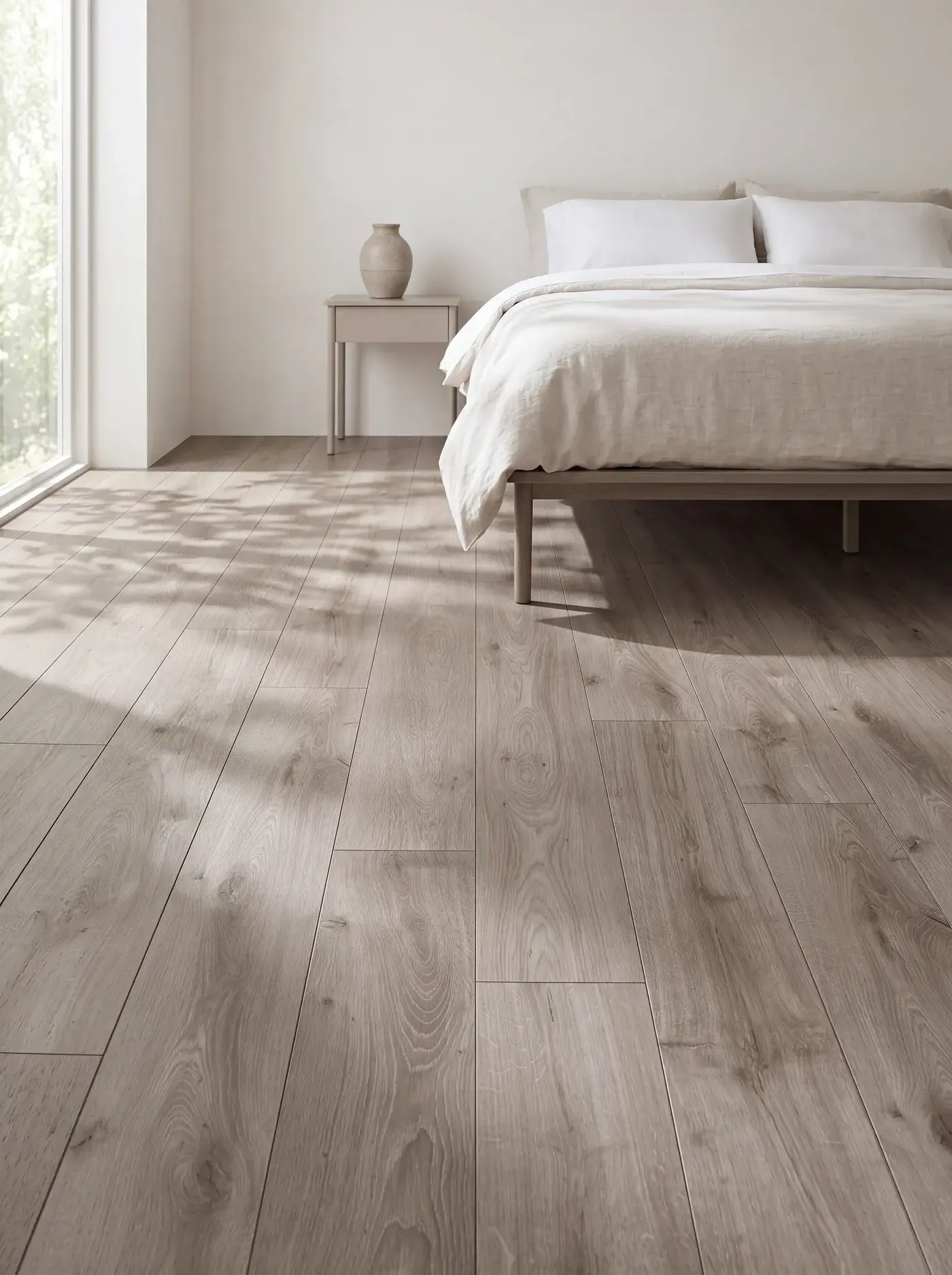
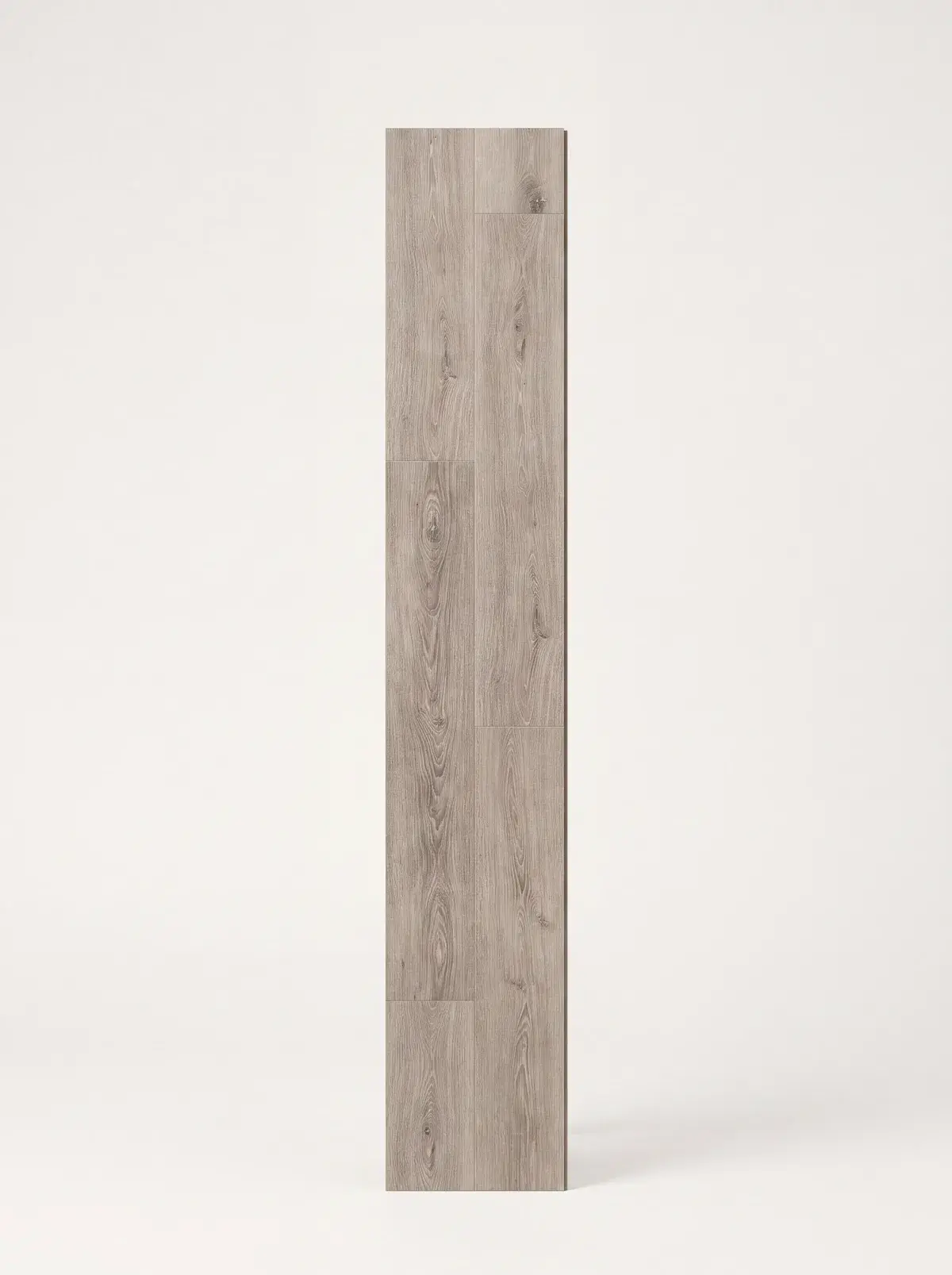
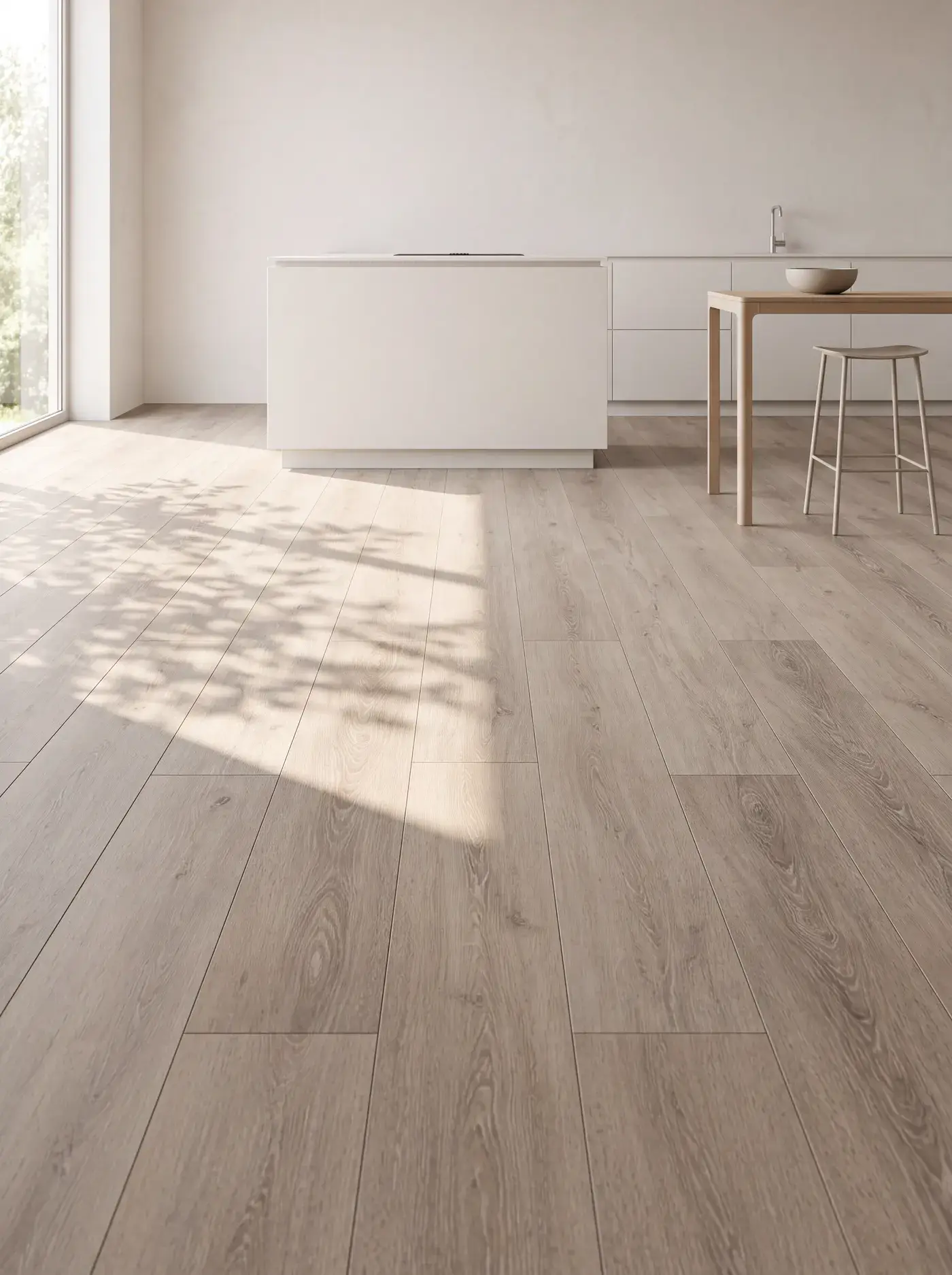
Over a slab, a floating floor is usually the match. SPC vinyl with an attached pad, such as the Marina Collection, lies flat and stays firm and cool underfoot. AC4 laminate on an accepted underlay costs less and resists scratches, though it wants dry rooms. Engineered hardwood puts real wood over a stable core, warmer to stand on, and it dents more easily than the other two.
| Floor | Over the slab | Trade-off |
|---|---|---|
| SPC vinyl, Marina | Floating, attached pad | Firm and cool underfoot |
| AC4 laminate | Floating on accepted underlay | Wants dry rooms |
| Engineered hardwood | Floating or glue down | Real wood, dents more easily |
The deciding facts are the building's underlay rule and how each floor installs, not the colour. Compare SPC vinyl plank floors against the laminate and engineered options, then match the choice to the rule you collected. The towers and streets we cover are set out in our Humber Bay flooring guide.
Line up the details before removal day
Replacing carpet in a Humber Bay condo goes smoothly when the paperwork is done before anyone touches the floor. The approval and the asbestos question are the two things that can hold up a start date, so clear them while you are still choosing samples, not after the elevator is booked. Three steps get you there.
- Ask management for the flooring rule and the accepted underlay in writing.
- If your tower predates 1990, book an asbestos test for any tile found under the carpet.
- Shortlist floors that meet the rule with samples in hand, and reserve the service elevator once the floor is approved.
- With the rule in hand, start an estimate online for your unit. Floorrable checks the building and measures the suite for free before any material is ordered.
Floors that fit this guide
Browse every floor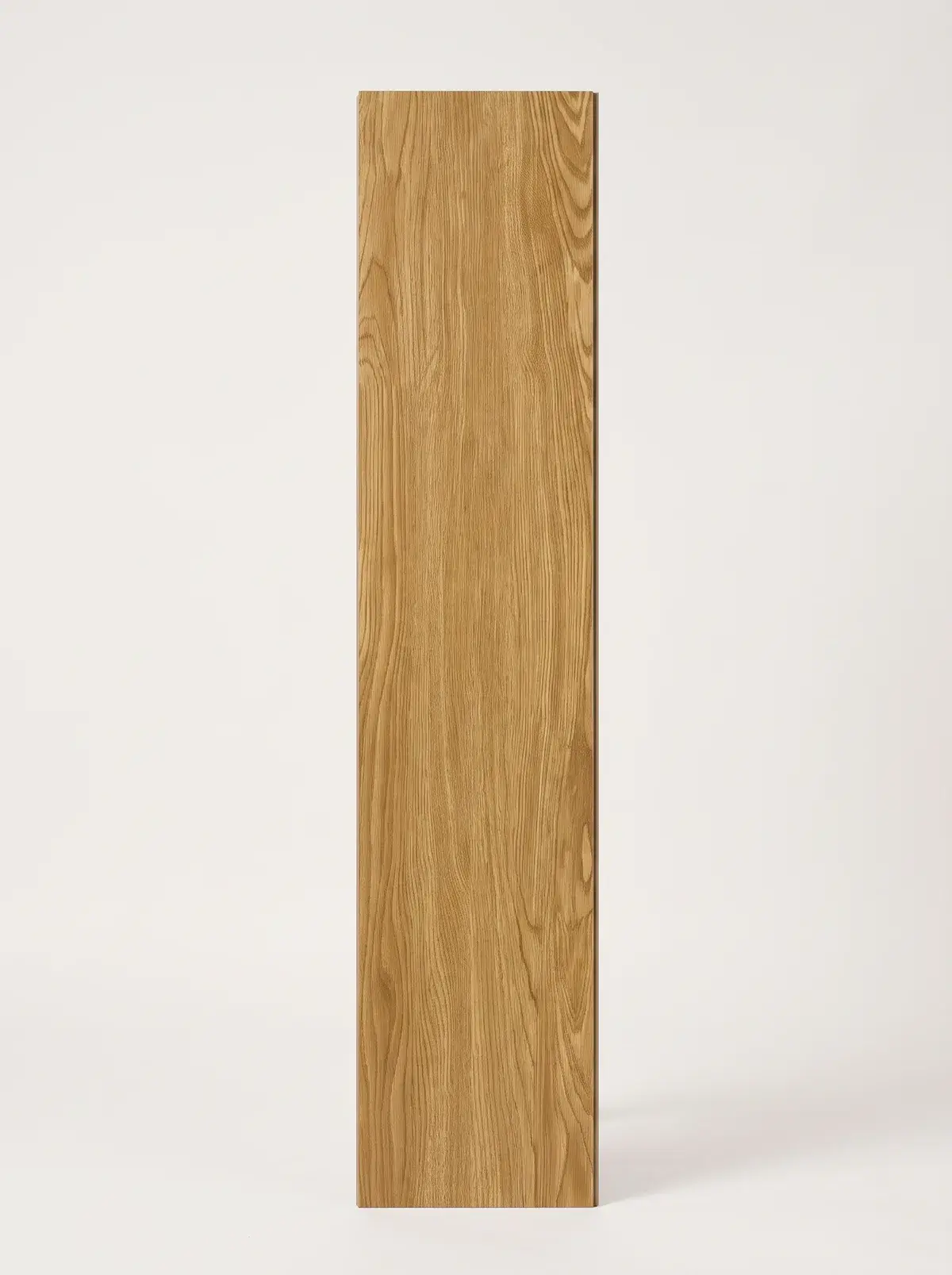
Frequently asked questions
In a Humber Bay tower it is almost always a concrete slab, with a thin foam pad and tack strips holding the carpet down. Houses and low-rise buildings can have plank or plywood over joists instead. The slab is flat and solid, which suits a floating floor on the right underlay.
A hard floor passes footsteps to the suite below more than carpet did, which is why your corporation sets a standard for the finished assembly of slab, underlay and plank. The accepted underlay and board approval exist to keep that impact noise within the building's own limit.
The crew cuts the carpet into strips, rolls each one with the underpad inside, and lifts the tack strips, then moves it out through a booked service elevator and protected halls. Carpet is light, so disposal costs less than tile or glued vinyl, which weigh more and come up slower.
If your tower was built before 1990, test any tile and glue found under the carpet before removal. Buildings of that age can hold asbestos in old floor materials, and dry scraping is what releases fibres. Palace Pier dates to 1978, so older Humber Bay suites are worth checking.