Home Design Ideas
Light, Natural, Grey or Dark? How to Choose Your Floor Tone

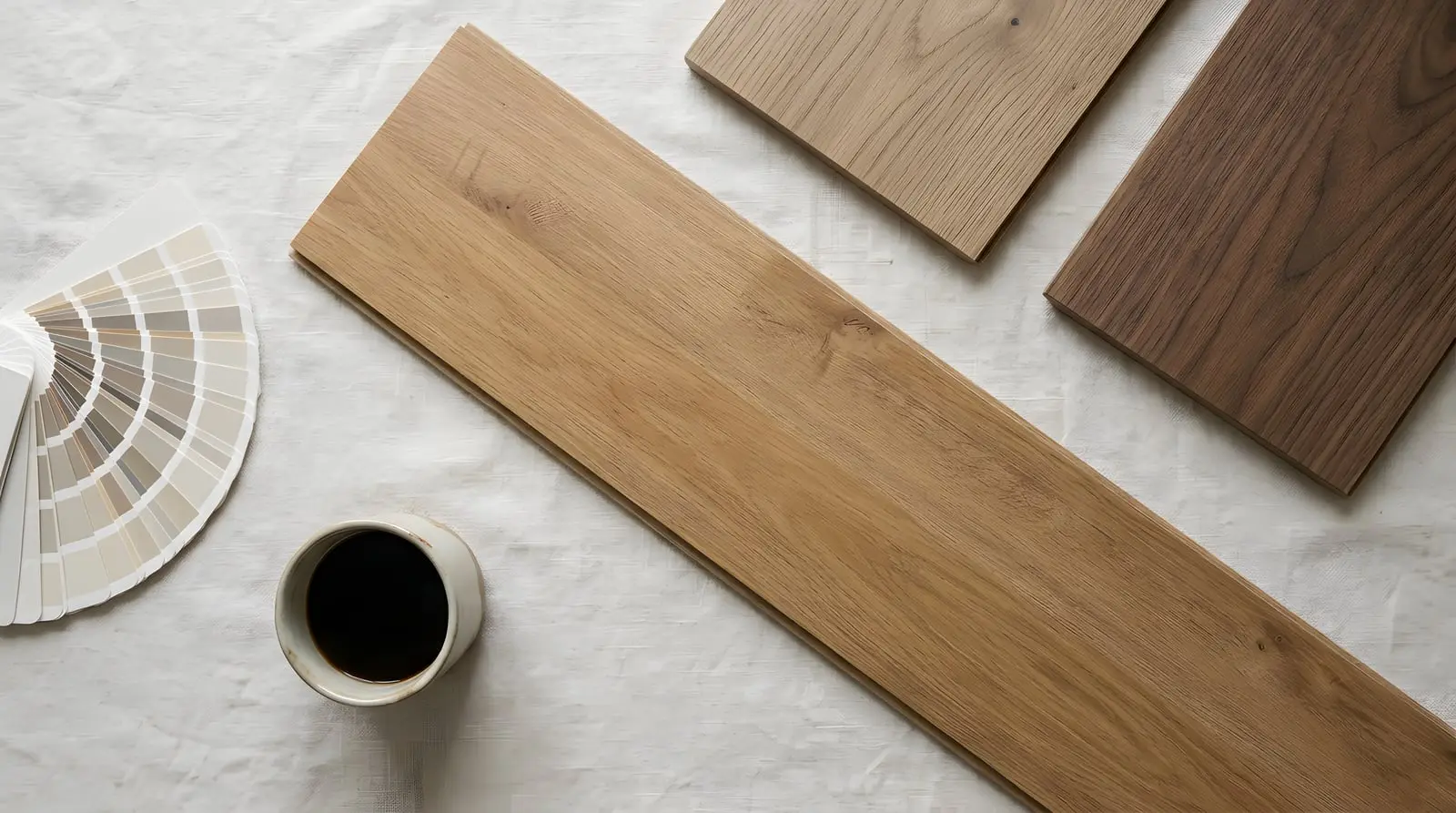
Choose a floor colour by the light in the room first, then by what lives on it. North-facing rooms and condos with one window usually look best with light or natural oak. Dark walnut tones want a large, bright room and show dust and pet hair fastest. Hold samples on your own floor at different times of day.
How does a room's light change a floor colour?
Light decides how a floor colour reads more than the sample card does. A north-facing room gets cool, indirect light all day, which pulls grey floors toward blue and makes dark floors look darker still. A south-facing room gets warm, direct sun that brightens every tone and can make honey oak look orange by late afternoon.
Toronto condos sharpen the problem. Many units have glass on one wall only, so the floor near the window and the floor by the entry can look like two different products. Toronto's short winter days do the same thing over the year: a floor chosen in July sunlight is lived with under lamps from November to February. Check a sample under your own bulbs at night as well as in daylight.
Which floor colour hides dust, hair and scuffs?
Mid tones hide the most. Natural oak and greige sit between the colour of household dust and the colour of most dirt, so crumbs, footprints and light scuffs blend in. Very light floors show dark hair and grit; very dark floors show dust, pale hair and every footprint in low sun.
If you have a dog or a cat, match the floor to the coat rather than to the sofa. A golden coat disappears on natural oak and shows on dark walnut. A black coat does the opposite.
| Tone | Suits | Shows most | Watch for |
|---|---|---|---|
| Light oak | Small or north-facing rooms | Dark hair, grit | Can look washed out in strong sun |
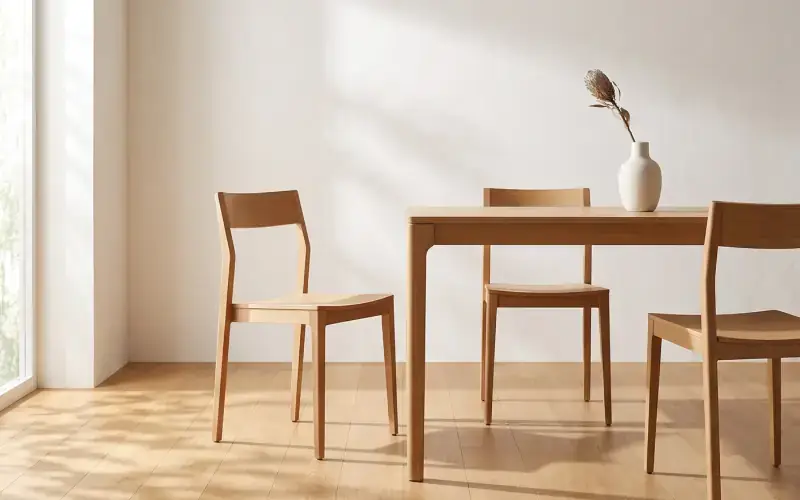
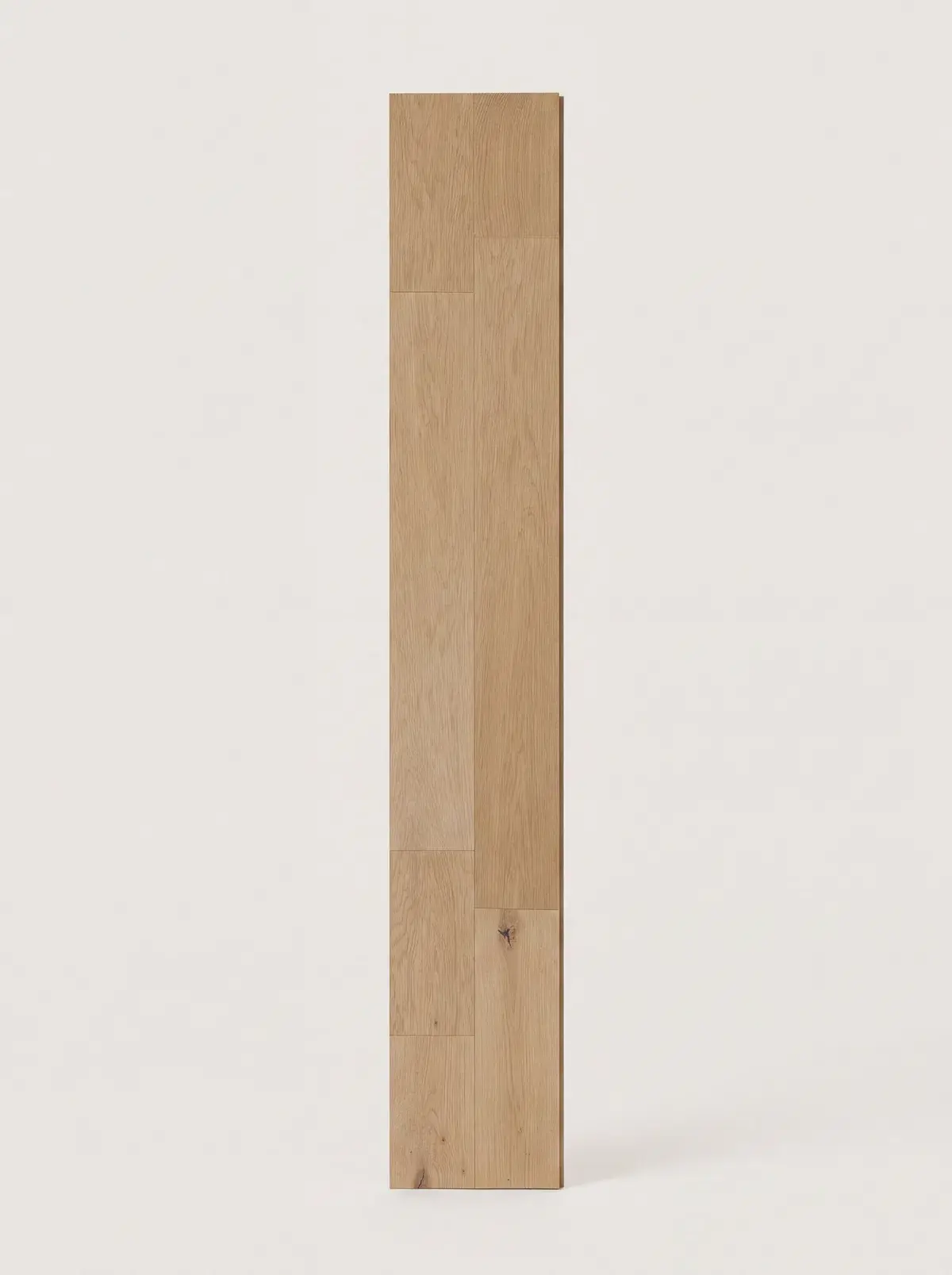
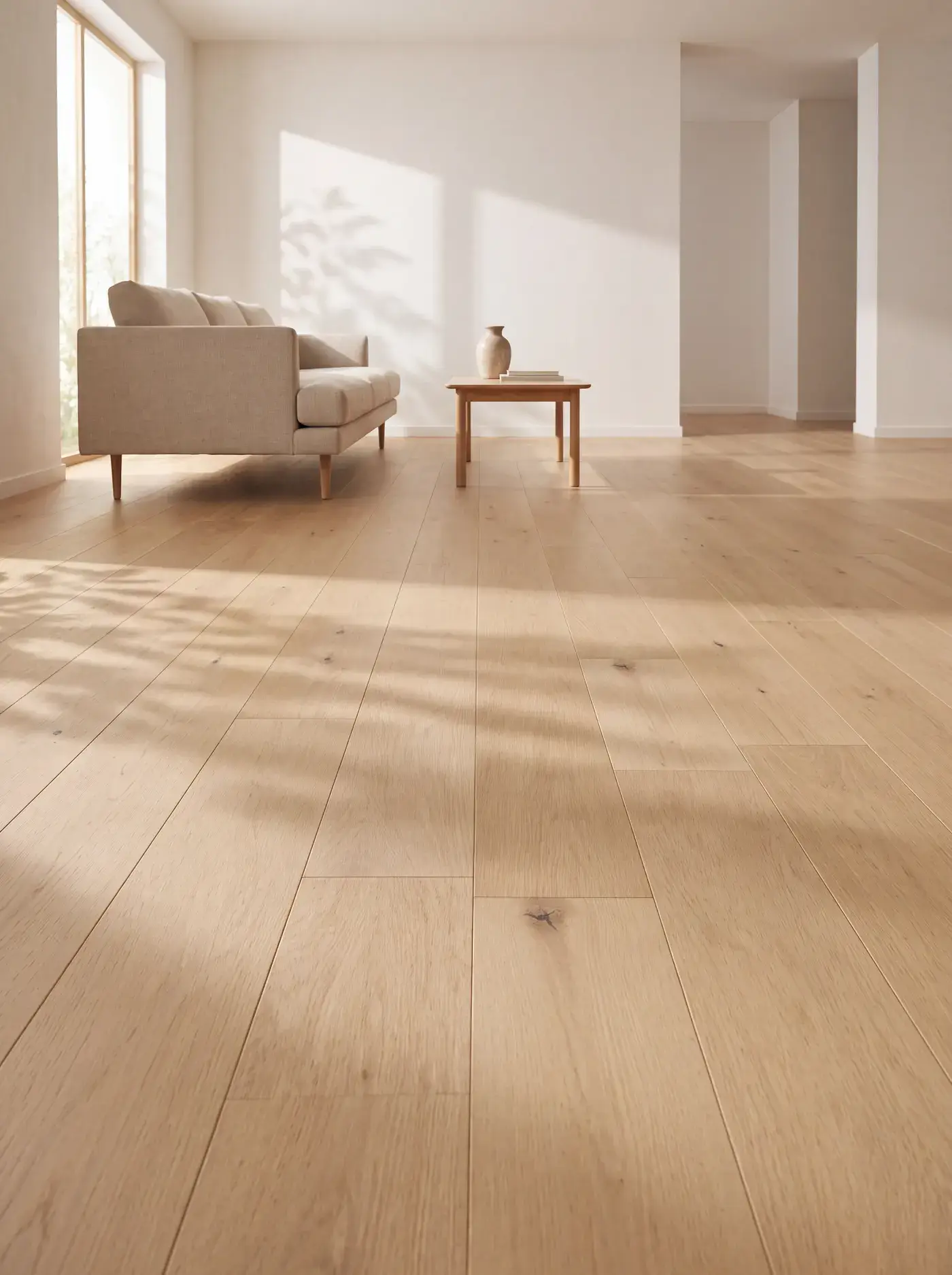
| Natural oak | Almost any room and furniture | Little day to day | Can warm toward orange in direct sun |
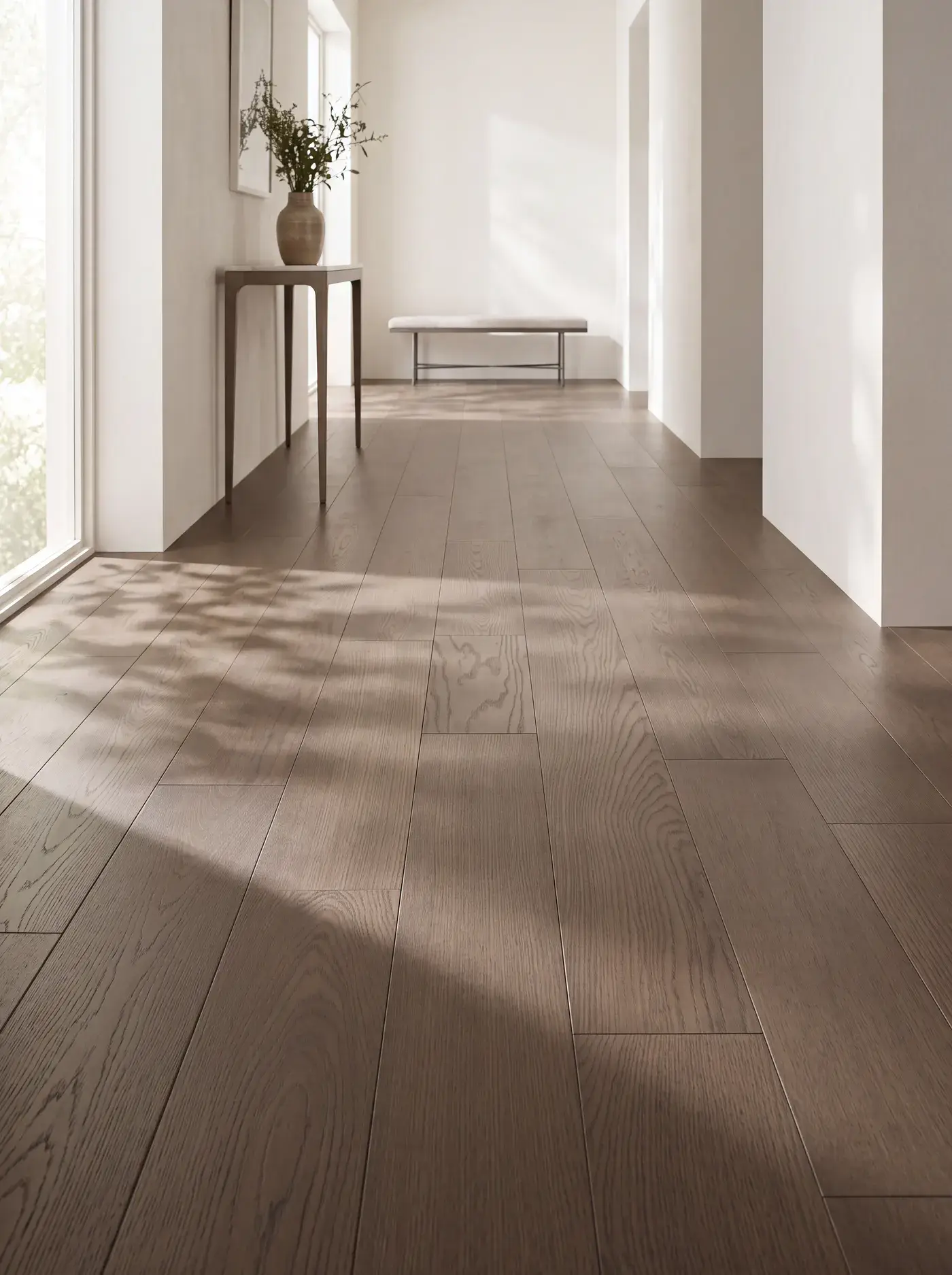
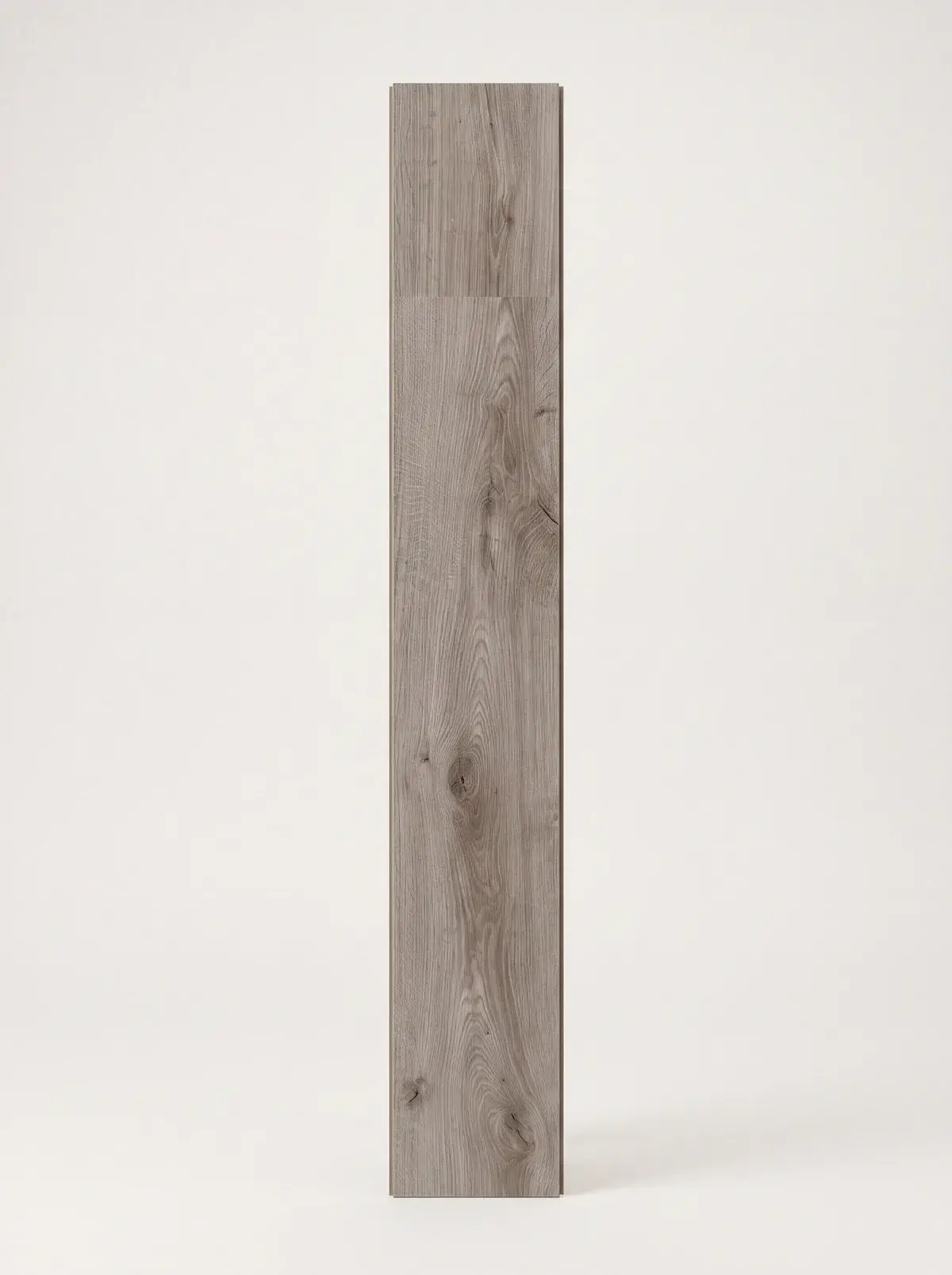
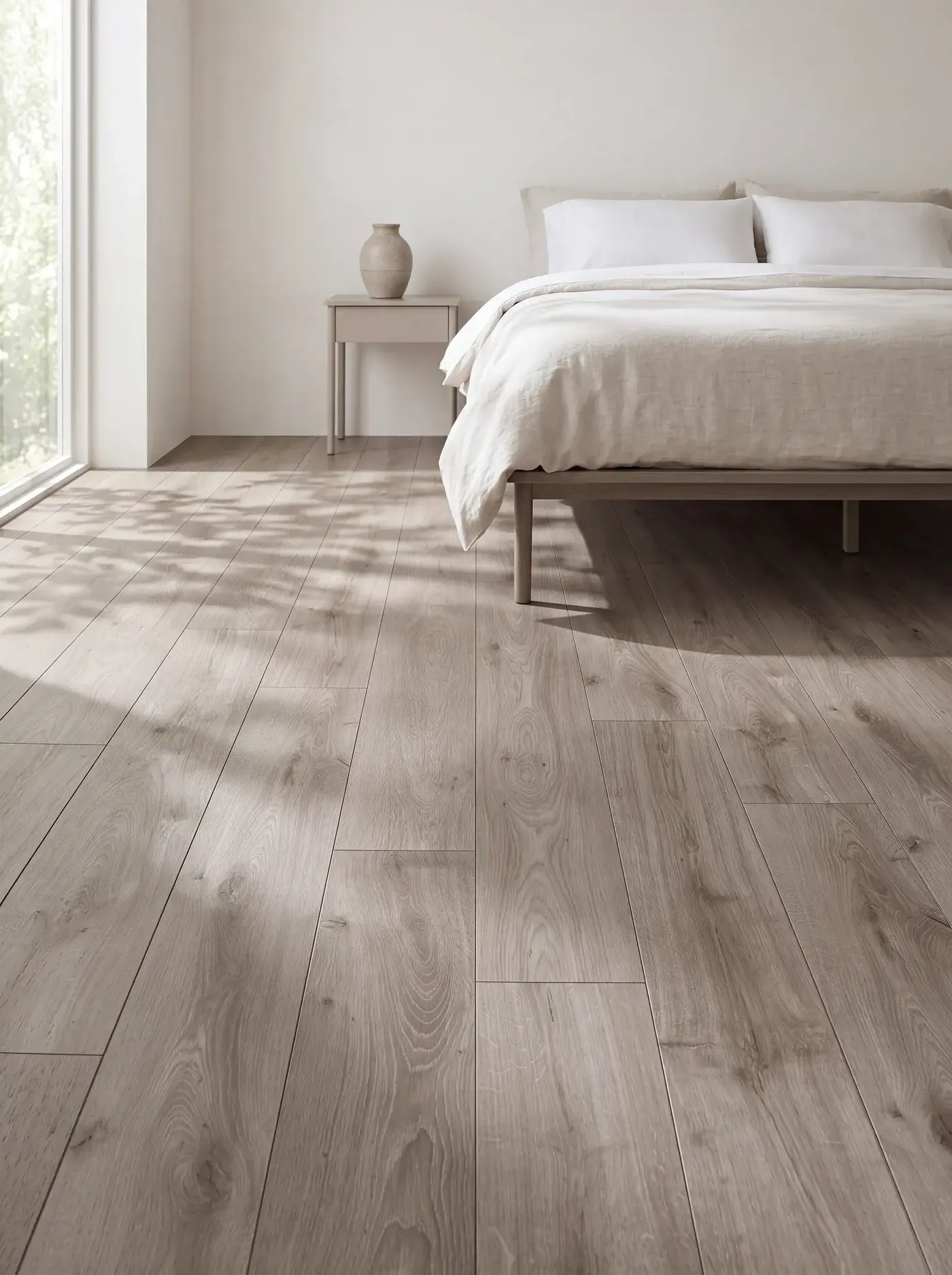
| Grey or greige | White walls, black metal, cool light | Little dust | Cool greys feel flat in dim rooms |
| Dark walnut | Large, bright rooms | Dust, pale hair, footprints | Makes small dim rooms feel smaller |
Grey needs the most testing. The same grey plank can read warm and soft beside a south window and cold, almost blue, in a north-facing bedroom. Greige, a grey with beige in it, is more forgiving across both. Full boards side by side show the difference far better than a swatch, which is the reason to book a showroom visit at 315A Humberline Dr in Etobicoke before choosing a grey.
Does a small condo need a light floor?
Not always, but it needs one floor. Running the same colour from the entry through the living room and bedrooms does more to make a small unit feel larger than picking the palest plank. Light and natural tones help most when the unit has one window wall, which is common in Toronto condo towers. A mid tone run continuously usually beats a light floor broken up by three different thresholds.
Plank direction matters too. Planks running toward the window draw the eye to the light and make a narrow room read longer. Colour is only half the choice on a condo slab, so compare the five flooring types before you settle on a tone.
Should the floor colour match the cabinets and trim?
Contrast them rather than match them. A floor one shade off the kitchen cabinets looks like a mistake, while a clear step lighter or darker looks chosen. In an open-plan Toronto condo, where the floor usually runs under the island and straight into the living room, the cabinets are the largest wood surface the floor has to sit beside.
Trim follows the same rule. White or painted baseboards suit every tone, and they are the easiest to keep when the floor changes. Stained wood trim narrows the choice, because the floor then has to sit well beside two other woods. If the old baseboards come off with the old floor, decide on the trim colour at the same time as the floor colour, not after.
Furniture is the last check, and the most flexible. A dark sofa stands out on a light floor and disappears on dark walnut.
Will sunlight change the colour of a new floor?
Strong, direct sun can shift a floor's colour over time, and manufacturer warranties exclude colour change from sunlight or intense lighting. That matters in a south-facing unit with floor-to-ceiling glass, which describes plenty of suites along the Lake Ontario shoreline. Blinds or sheer curtains during the brightest hours, and moving rugs now and then so no patch stays covered for years, keep the change even. The flooring warranty terms list the other exclusions.
How to test a floor colour before you commit
- Take the shortlist from the Floor Finder quiz, which narrows the catalogue by room, budget and use before colour comes into it.
- Lay full-size samples on your actual floor, against the baseboard, the kitchen cabinets and the sofa, and leave them there for a few days.
- Look at them at three times: morning, late afternoon and at night under your own lights.
- When one tone survives all three checks, get a price range for your unit in about two minutes. A free measurement turns it into a firm price before anything is ordered.
Floors that fit this guide
Browse every floor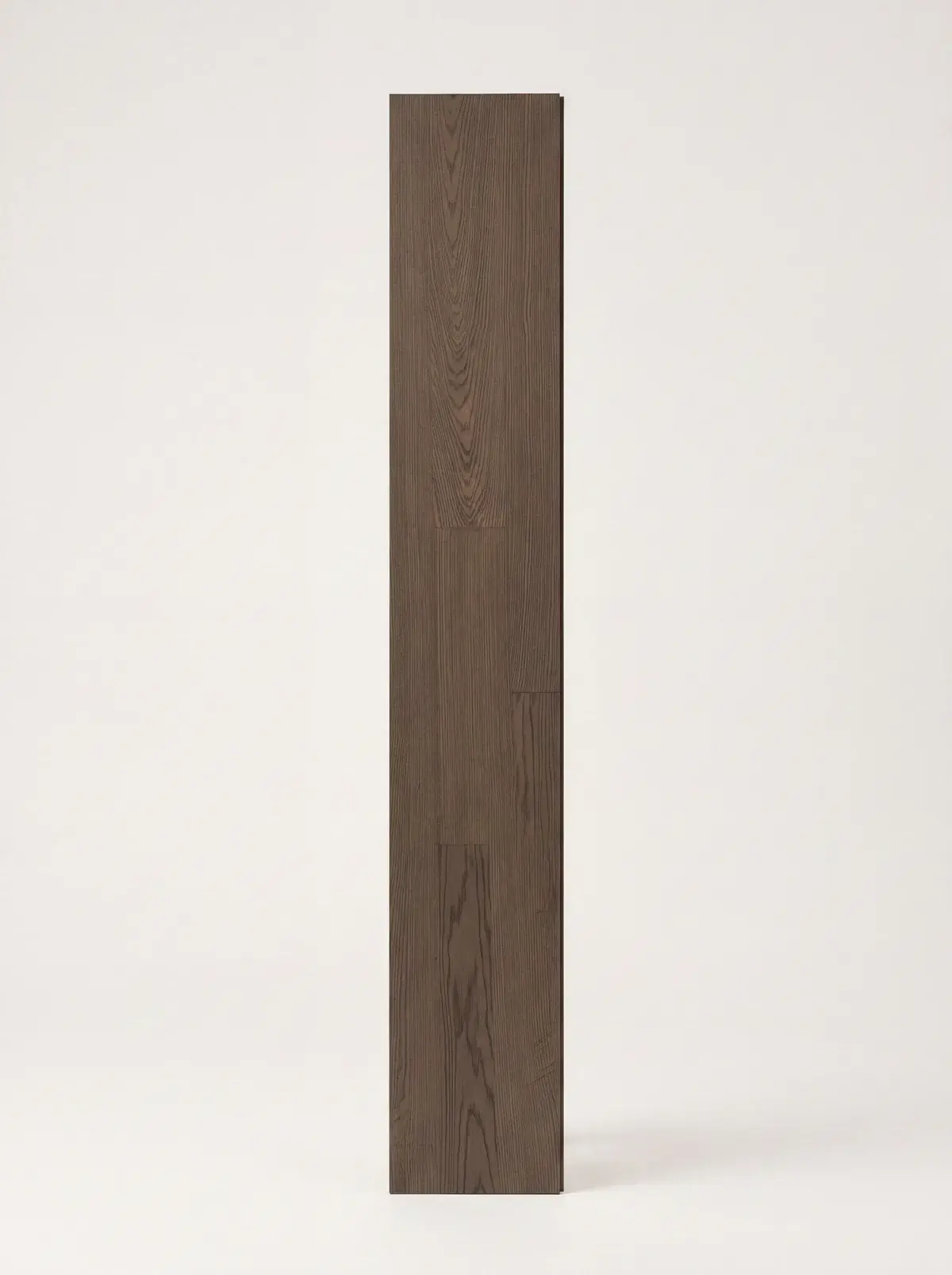
Frequently asked questions
Natural oak and greige hide everyday dust, crumbs and scuffs best, because they sit between the colours of dust and dirt. Very dark floors show dust and pale hair fastest, and very light floors show dark hair and grit. In a small unit with one window, natural oak keeps the room bright without showing everything.
In most condos, yes. One floor colour running through the entry, living room and bedrooms makes a small unit feel larger and avoids extra thresholds between rooms. Bathrooms are the usual exception, because they normally keep tile. Changing colour between connected rooms tends to make each one feel smaller.
Not a mistake, but a trade-off. A dark floor in a small room with little daylight makes the walls feel closer and shows dust and footprints quickly. In a small room with strong light, such as a south-facing unit, dark walnut can work if you accept more frequent cleaning.
Give floor samples at least a few days in the room, so you see them in morning light, late afternoon sun and under your own lamps at night. A colour that looks right in only one of those three conditions is likely to disappoint for the rest of the year.