Flooring Guides
Best Flooring for a Toronto Condo, Room by Room
The best flooring for a condo in Toronto is usually one floating floor run through every room except the bathroom. Choose SPC vinyl where spills and pets are likely, AC4 laminate where budget leads and the rooms stay dry, and engineered hardwood where real wood matters more than dents. Your building's flooring rule decides what passes, so read it first.
How do the condo flooring options compare over a concrete slab?
Almost every Toronto condo tower is built on concrete slabs, which rules out nail-down installation and makes floating or glue-down floors the real choices. The four types that suit a slab compare like this.
| Floor | How it goes down | Around water | The trade-off |
|---|---|---|---|
| SPC vinyl (Marina Collection) | Floats on its own attached pad (drop click) | Stone and polymer core does not swell when wet | Firmer and cooler underfoot |
| AC4 laminate (Gallery, Harbour, Lakeshore) | Floats over a separate underlay (click-lock) | Harbour: rated for 24 hours of surface water. Lakeshore: 72 hours | Wants dry rooms; usually costs least |
| Engineered hardwood (Kingsway, Atelier) | Glue-down over the slab | Real wood surface; wipe spills quickly | Warmer and real wood, but it dents |
| Hybrid engineered (Metro) | Glue-down over the slab | Wood-look surface on a tongue and groove core | Radiant heat approval covers hydronic systems only |
Solid hardwood is the fifth type. It can be sanded and refinished for decades, but it costs the most and cannot go over radiant heat, so it rarely suits a suite. You can compare the five flooring types side by side online, and the samples for every collection are at Floorrable's showroom at 315A Humberline Dr in Etobicoke.
What does your building's rule change?
Everything, if the rule is strict. Toronto condo corporations set flooring requirements in their declaration, rules or flooring policy, and most care about footstep noise reaching the suite below. The standard applies to the finished assembly of slab, underlay and plank, not to the plank alone.
That means the same SPC plank can pass in one tower on its attached pad and need an extra underlay in the next. Get the rule in writing from your property management office before you shortlist anything. Floorrable confirms the acoustic requirement and the approval before any material is ordered, and prepares the paperwork the building wants to see. More on how condo approvals work.
Which floor is best for each room of a condo?
- Living and dining. The longest run in the suite, usually ending at a window wall or balcony door. Any of the four works here; what matters is that the same floor carries on into the hall and kitchen without a threshold strip.
- Bedrooms. Comfort counts most. Laminate and engineered hardwood feel warmer underfoot than SPC, and a bedroom sees little water. Keep the same floor through the doorway if the rest of the suite has it.
- Kitchen. SPC first, because its core does not swell when a dishwasher leaks or a pot boils over. Lakeshore laminate, rated for 72 hours of surface water, is the laminate to choose if the kitchen is open to the living room. Water that runs to the cabinets or walls can still sit under any floating floor, so wipe it up.
- Entry. Toronto winters bring snowmelt and road salt in on boots. SPC copes with the water; grit is the bigger risk to every floor, so put a mat inside the door and empty the boot tray often.
- Bathroom. Most condo bathrooms keep their tile. If the tile has to go and a plank replaces it, SPC is the only plank on this list to consider, and the gaps at the tub and toilet are sealed to the manufacturer's instructions.
One floor through the suite is usually the right call in a one or two bedroom unit. Fewer transitions mean fewer trip edges, the rooms read larger, and the board sees one product and one underlay on the application. The cost of that choice is that the kitchen's needs set the floor for every room, which tends to push owners toward SPC vinyl plank floors or a water-rated laminate.
Which floor suits the way you own the suite?
How long you will live there, and who else walks on the floor, matters as much as the room.
| Owner | Usually the best fit | Why | Watch for |
|---|---|---|---|
| Living there for years | Engineered hardwood | Real wood surface on a stable core | Dents from dropped pans and chair legs |
| Renting it out | AC4 laminate or SPC | Resists scratches between tenants; a damaged plank can be replaced | Laminate wants a tenant who wipes spills |
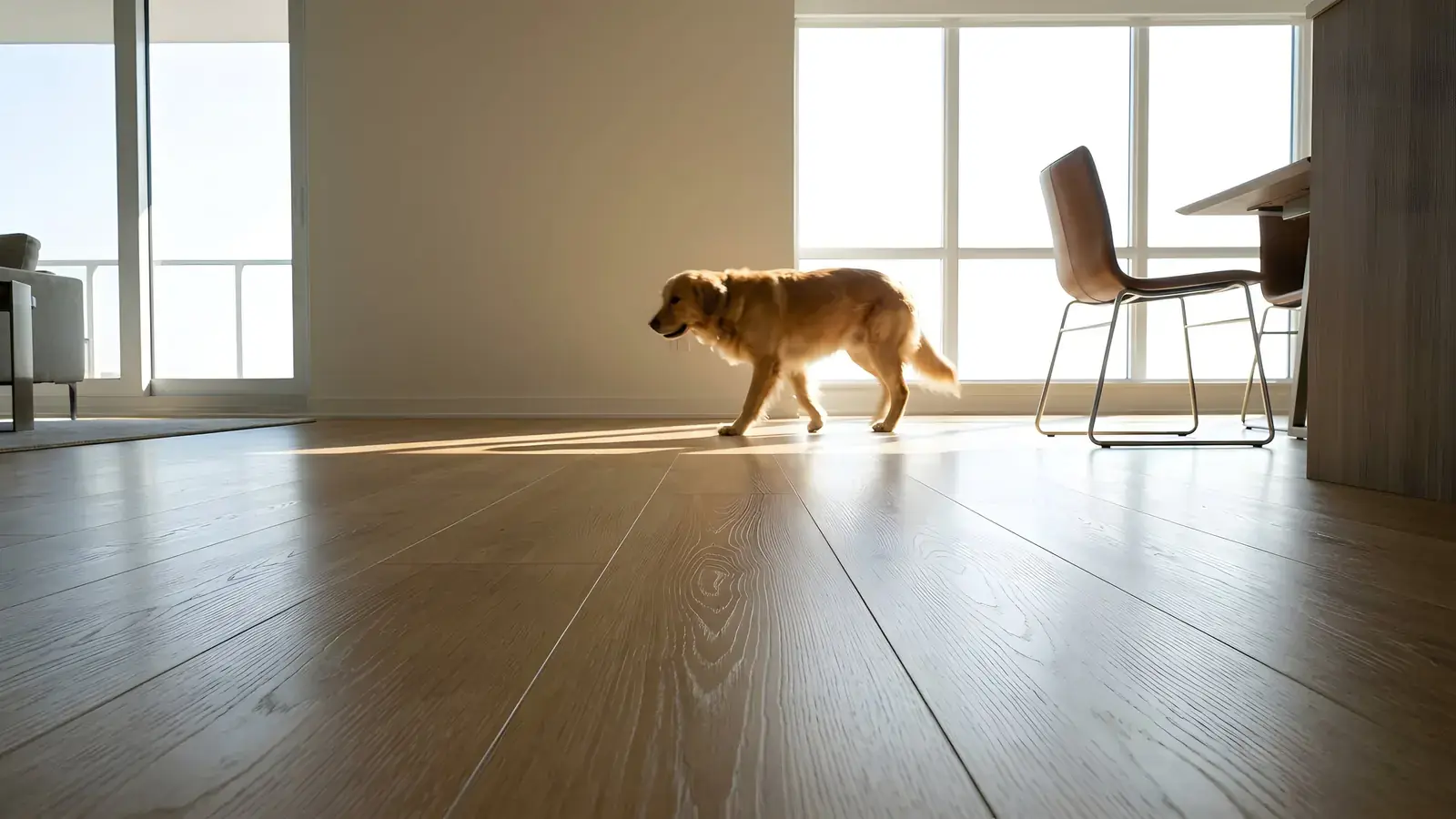
| Family with a dog | SPC vinyl | Core does not swell at the water bowl | Claws still mark it; trim nails and use felt pads |
| Selling soon | Laminate or SPC in a mid tone | Lower cost on a floor the next owner may replace | A tone that fights the kitchen cabinets |
For pets, no floor here is immune to claws. AC4 laminate floors resist scratches well and SPC copes better with water, so the deciding question is whether your dog's water bowl or your cat's claws cause more trouble. A mid tone such as natural oak hides fine scratches and hair better than very dark or very light floors.
How to narrow the best flooring for your condo
- Get your building's flooring rule and renovation application in writing.
- Decide which room drives the choice: an open kitchen and entry usually point to SPC, dry bedrooms leave every option open.
- Take the Floor Finder quiz to shortlist floors by room, pets and budget.
- Then get a price range for your unit. The building check and a free measurement both happen before anything is ordered, and the measurement turns the range into a firm price.
Floors that fit this guide
Browse every floor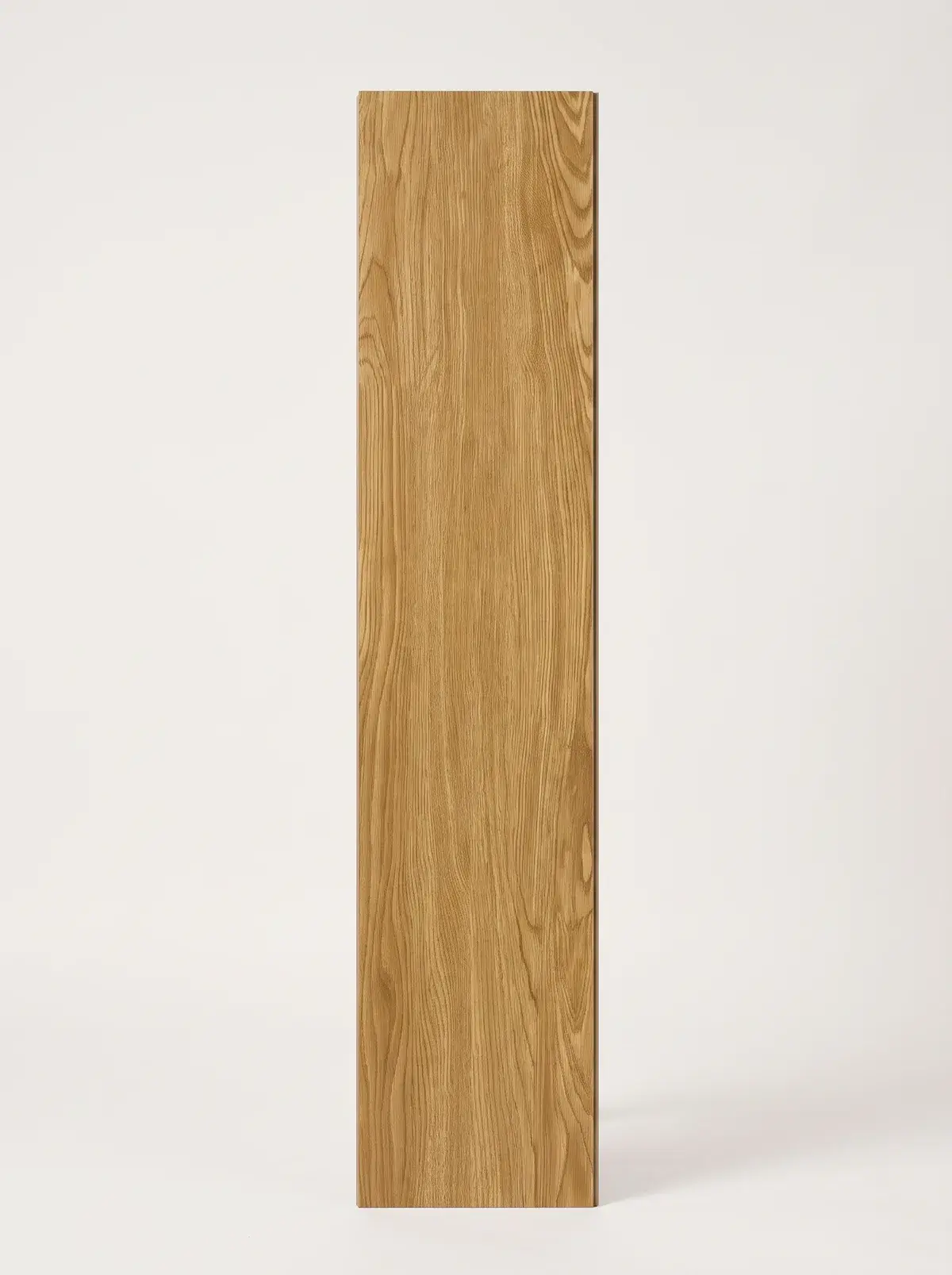
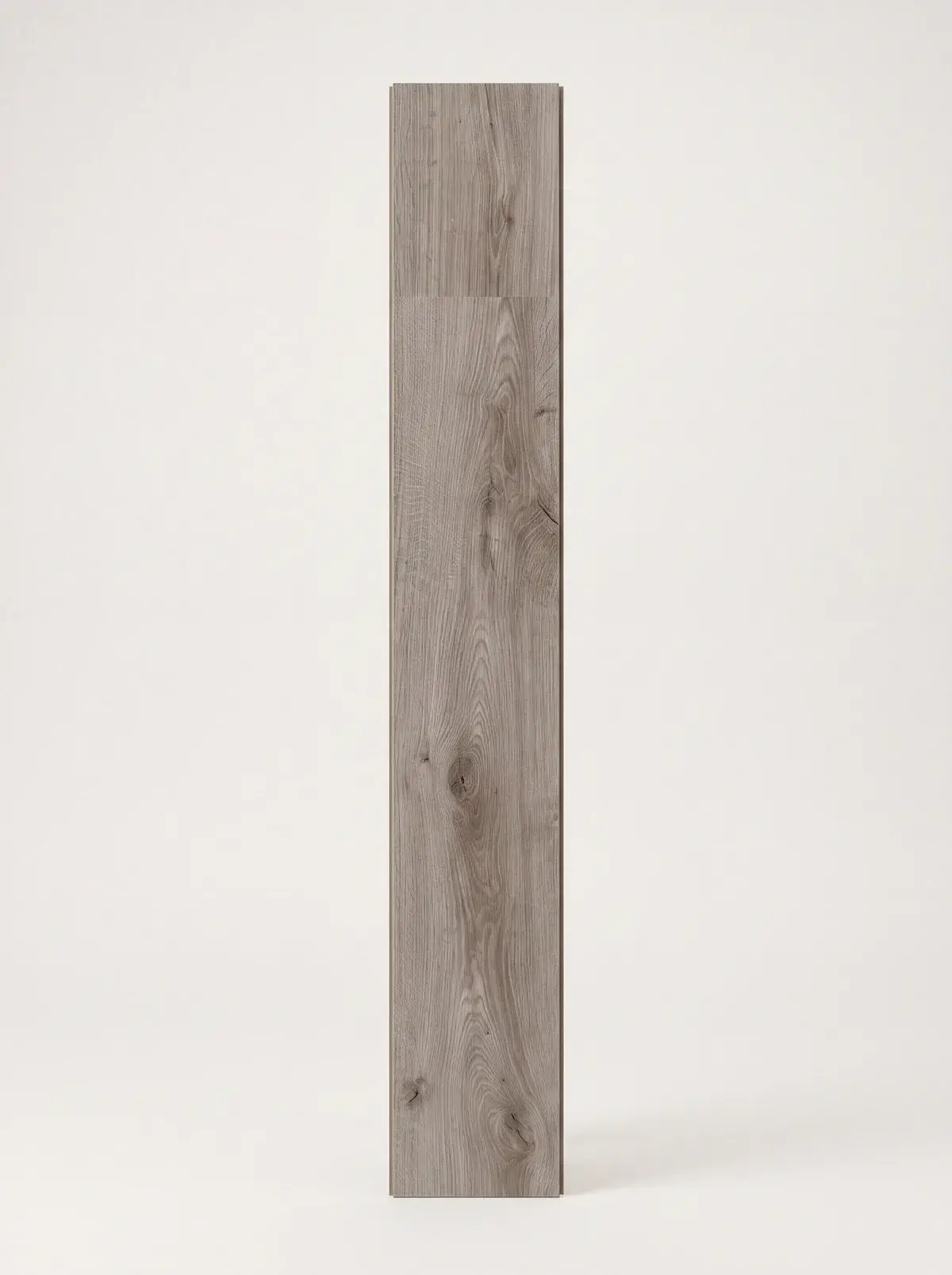
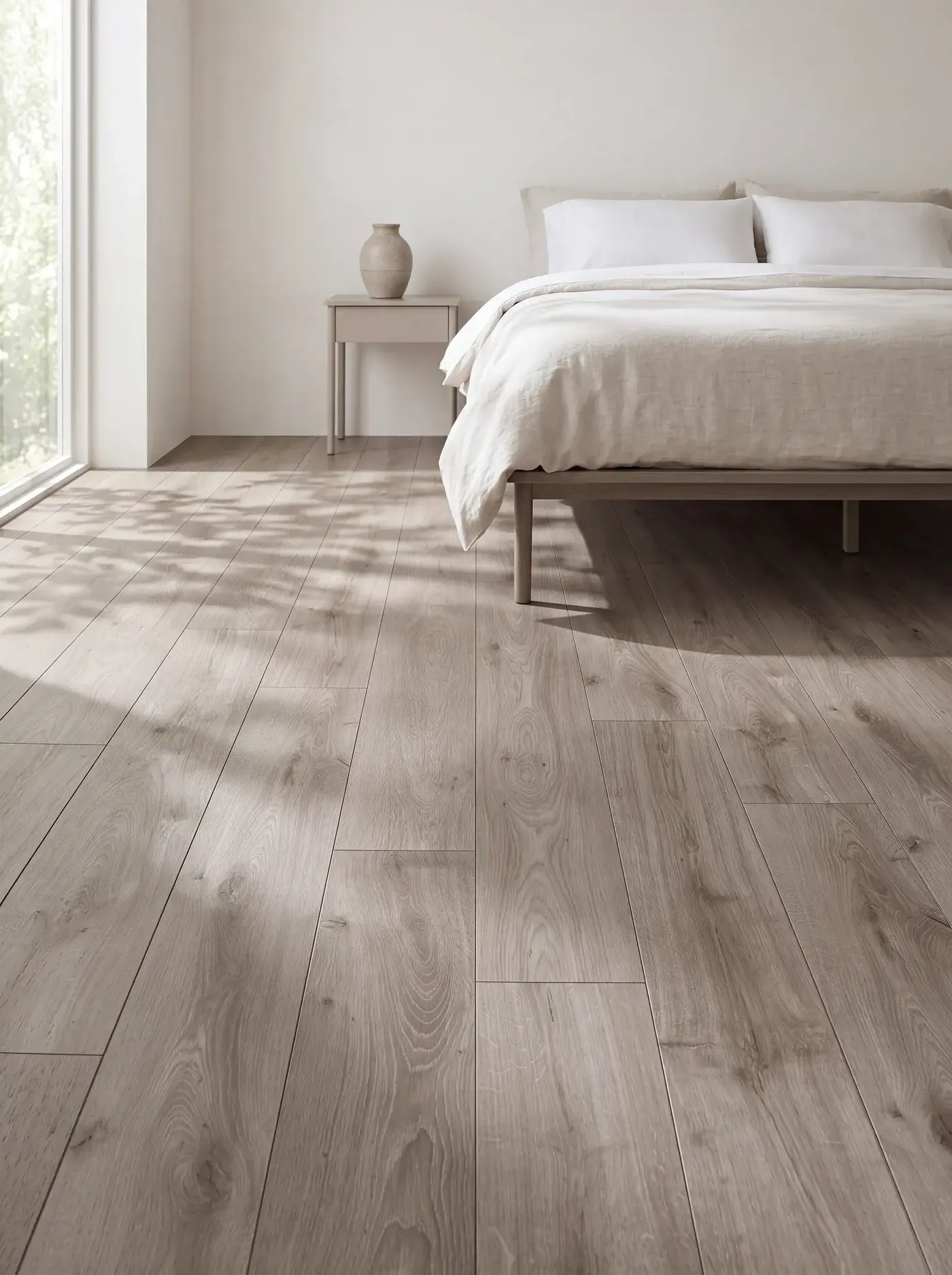
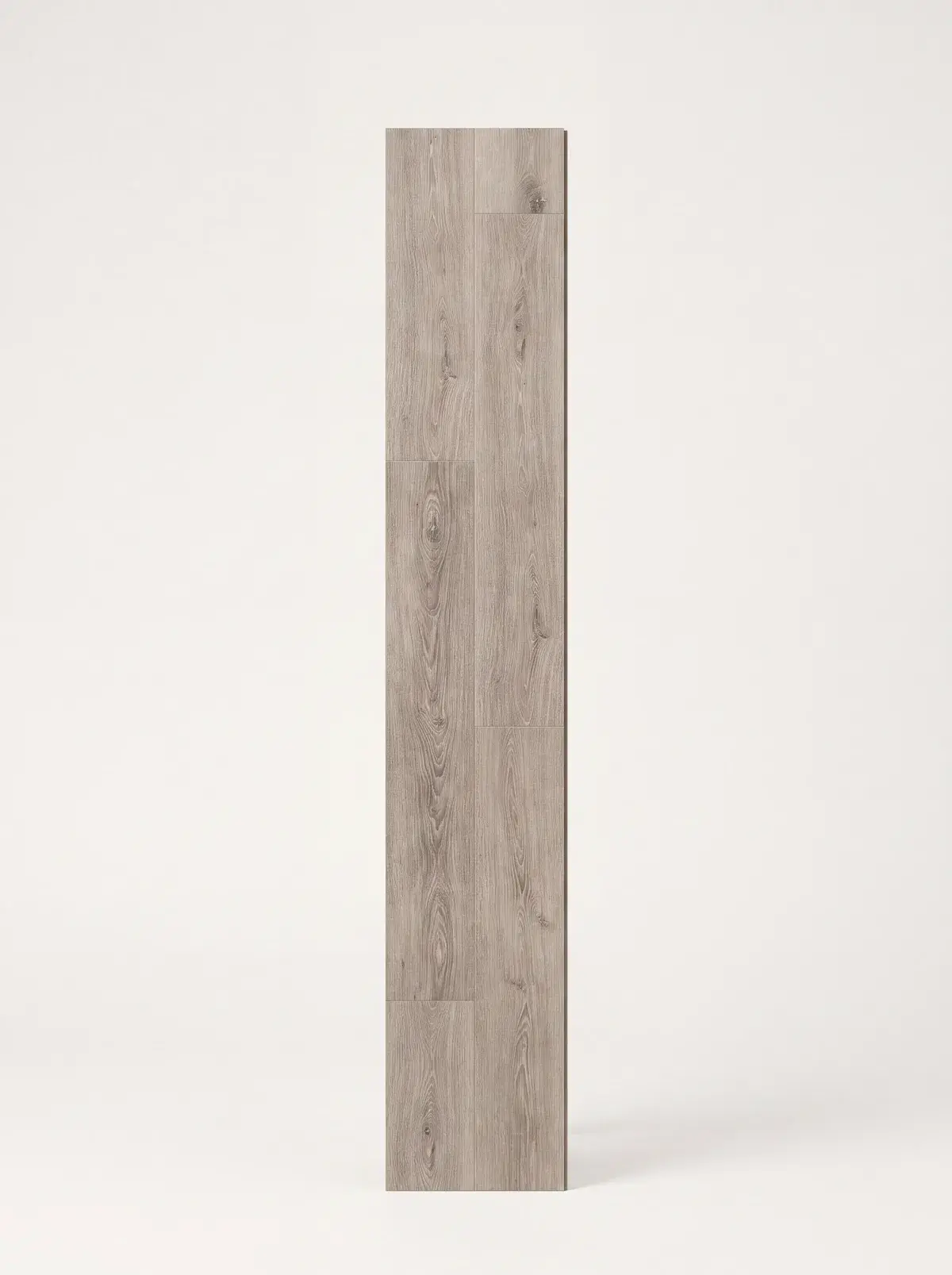
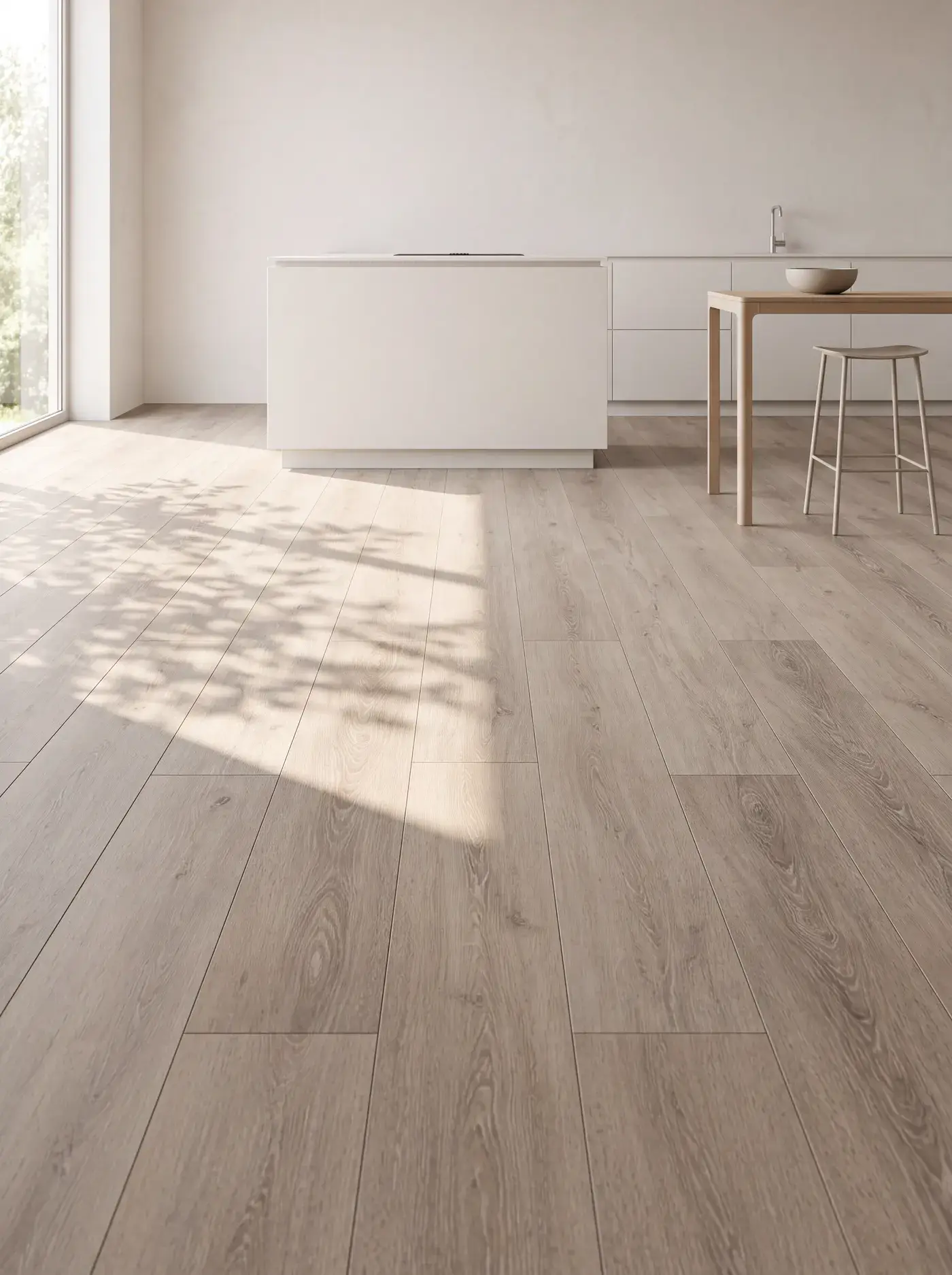
Frequently asked questions
SPC vinyl is the safer kitchen floor because its stone and polymer core does not swell when wet. Laminate can work if it carries a water rating: Harbour is rated for 24 hours of surface water and Lakeshore for 72. Either way, water reaching the cabinets or walls can sit under a floating floor.
A floating floor such as SPC vinyl or laminate, or engineered hardwood glued to the slab. Nail-down floors cannot go over concrete. The building's flooring rule then decides which underlay is needed, because it sets a standard for the slab, underlay and plank together.
In most one and two bedroom condos, yes. One floor means fewer transition strips, rooms that read larger and a single product on the board application. The catch is that the kitchen and entry then set the floor for the bedrooms too, which usually means SPC or a water-rated laminate.
It can be, if you accept marks. Engineered hardwood has a real wood surface, so claws scratch it and dropped items dent it. A mid tone hides that wear better than dark wood. If the dog drinks messily or comes in wet, SPC vinyl copes better with the water.