Local Guides
Best Flooring for Etobicoke Homes, From Bungalows to Condos
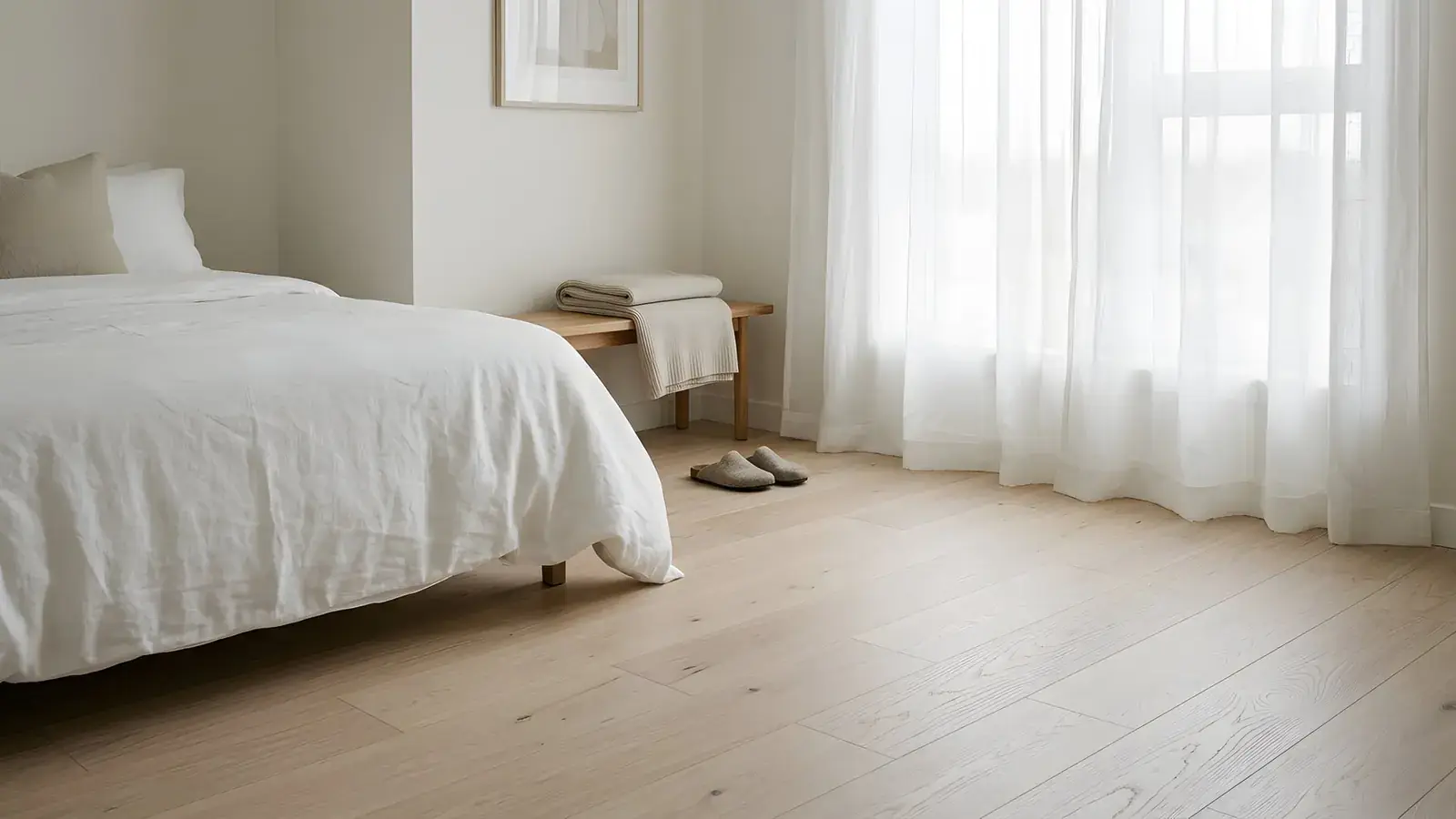
The best flooring for Etobicoke homes depends on which Etobicoke you live in. A lakeshore house or a Kingsway home on wood joists can take nail-down hardwood. A post-war bungalow's basement needs a floor made for below grade. A tower at Humber Bay Shores or Etobicoke Centre needs a floating or glued floor that meets the building's rules.
Etobicoke flooring starts with what is under it
Etobicoke was built in layers over about 170 years, and each layer left a different structure under the floor. That structure decides more than taste does.
| Your home | What is underneath | Floors that suit it | Watch for |
|---|---|---|---|
| Lakeshore house in Mimico, New Toronto or Long Branch | Wood joists and a plank subfloor | Solid or engineered hardwood, nailed down | Older subfloors out of level, and floors laid over floors |
| Kingsway-era house (1924 to 1947) | Wood framing and subfloor | Solid hardwood, or engineered over in-floor heat | Radiant heat rules out solid hardwood |
| Post-war bungalow, storey-and-a-half or split-level | Wood subfloor upstairs, concrete in the basement | Engineered or laminate upstairs, SPC vinyl below grade | Split-level stairs and landings, basement moisture |
| Apartment or condo tower | Concrete slab | SPC with an attached pad, laminate, or engineered glued to the slab | The building's own underlay and approval rules |
Lakeshore houses and the Kingsway
Mimico, New Toronto and Long Branch were laid out between the 1850s and the 1890s, long before they joined Etobicoke in 1967. The Kingsway followed between 1924 and 1947. Houses from both eras sit on wood joists, so a nail-down floor is on the table, and solid hardwood suits their character: it is one piece of wood all the way through, and it can be sanded and refinished more than once rather than replaced.
The catch is what a century of renovations leaves behind. Old subfloors drift out of level, and some rooms carry two or three floors laid on top of each other. We check the subfloor for level, moisture and soundness before quoting, because a new floor only lies as flat as what it sits on.
If the house has in-floor radiant heat, solid hardwood is the one type we will not install over it. Engineered hardwood gives you a real wood surface on a multi-layer core that is approved over radiant heat.
Post-war bungalows, split-levels and their basements
Most of central and north Etobicoke went up after the Second World War, when the population grew from under 40,000 to over 200,000 in two decades. That boom built bungalows, storey-and-a-half houses and split-levels along broad, planned roads, and it set up two jobs in one house.
Upstairs is a wood subfloor, so engineered hardwood or laminate both work. Laminate is the least expensive way to a wood look, and our two series are rated differently for spills: Harbour for 24 hours of surface water, Lakeshore for 72. Split-levels add short runs of stairs and landings between every floor. Stairs are quoted by hand from a photo, because no two staircases are alike.
Downstairs is concrete below grade. Etobicoke Creek, Mimico Creek and the Humber River run through the borough, and flooding at the mouth of Etobicoke Creek during Hurricane Hazel in 1954 swept away more than forty homes in Long Branch. On low ground near a creek, a wood floor in the basement is a gamble. SPC vinyl, a rigid stone-composite core with the acoustic pad attached, is what we put in basements, after a moisture check of the slab.
Towers: Dixon Road, Etobicoke Centre and Humber Bay Shores
Etobicoke's apartment towers came in two waves: apartment towers from the late 1960s and 1970s, such as those on Dixon Road, and condo towers since then, concentrated at Humber Bay Shores on Lake Shore Blvd W and in Etobicoke Centre around Kipling and Islington stations.
Every one of them sits on concrete, so the floor floats over an underlay or is glued down, and the building decides the acoustic standard. SPC with an attached pad, laminate over an approved underlay, and engineered hardwood are the usual choices. The building's rules come first; our guide to Humber Bay board approval walks through that process tower by tower.
Choosing between the finalists
Once the house has narrowed the field, the choice usually comes down to two or three types. Our SPC, laminate and engineered comparison goes through what each one does well and where it falls short.
If two types still fit, three questions usually settle it. Will the room see water, as kitchens, entries and basements do? Does the noise matter to someone living below you? And do you want a floor you can sand and refinish one day rather than replace? Solid hardwood is the only type built around that last one.
Our showroom is in north Etobicoke, so you can see and feel the finalists close to home. The free online estimate asks what kind of home you have and gives you a price range in about two minutes.
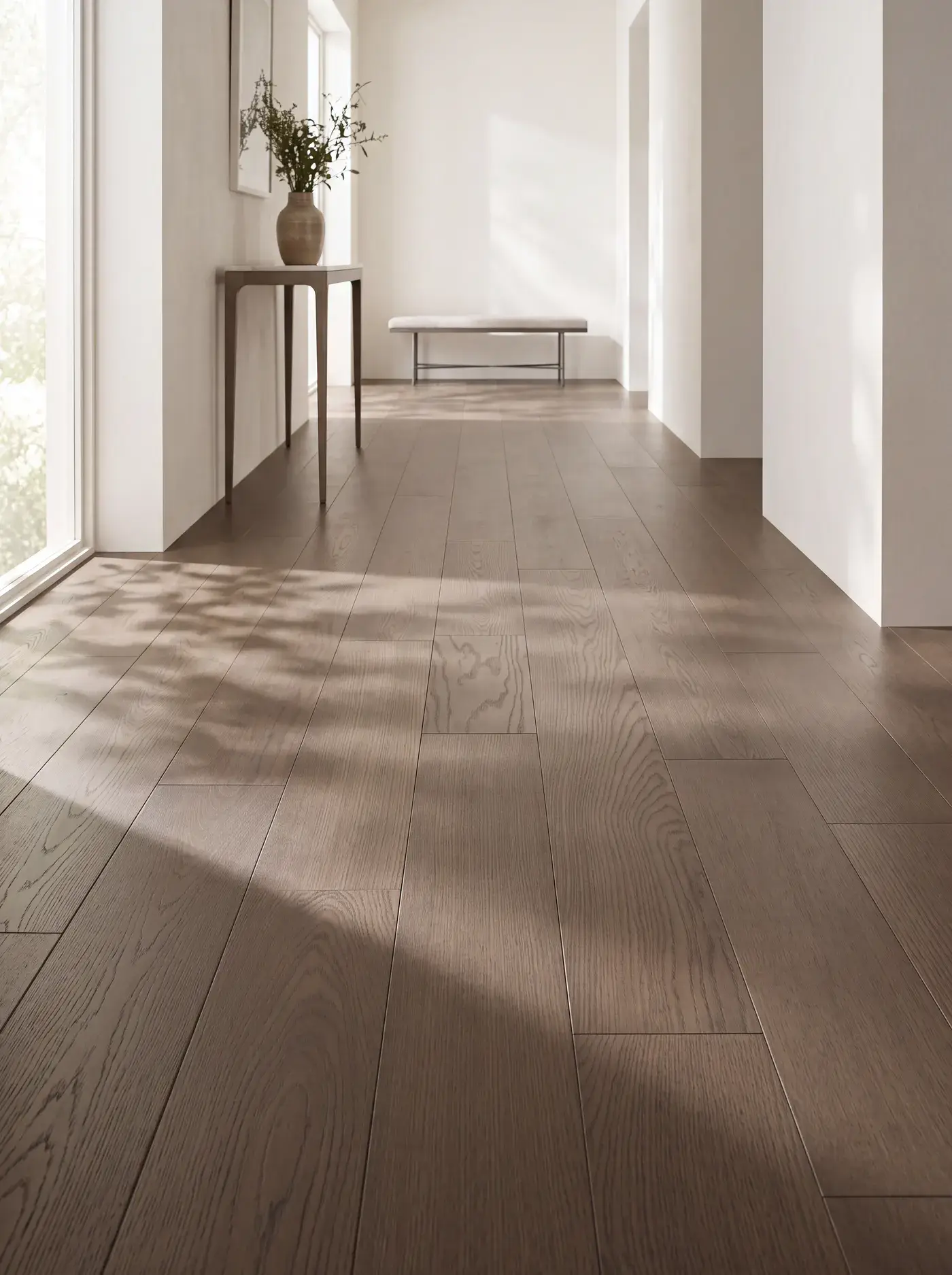
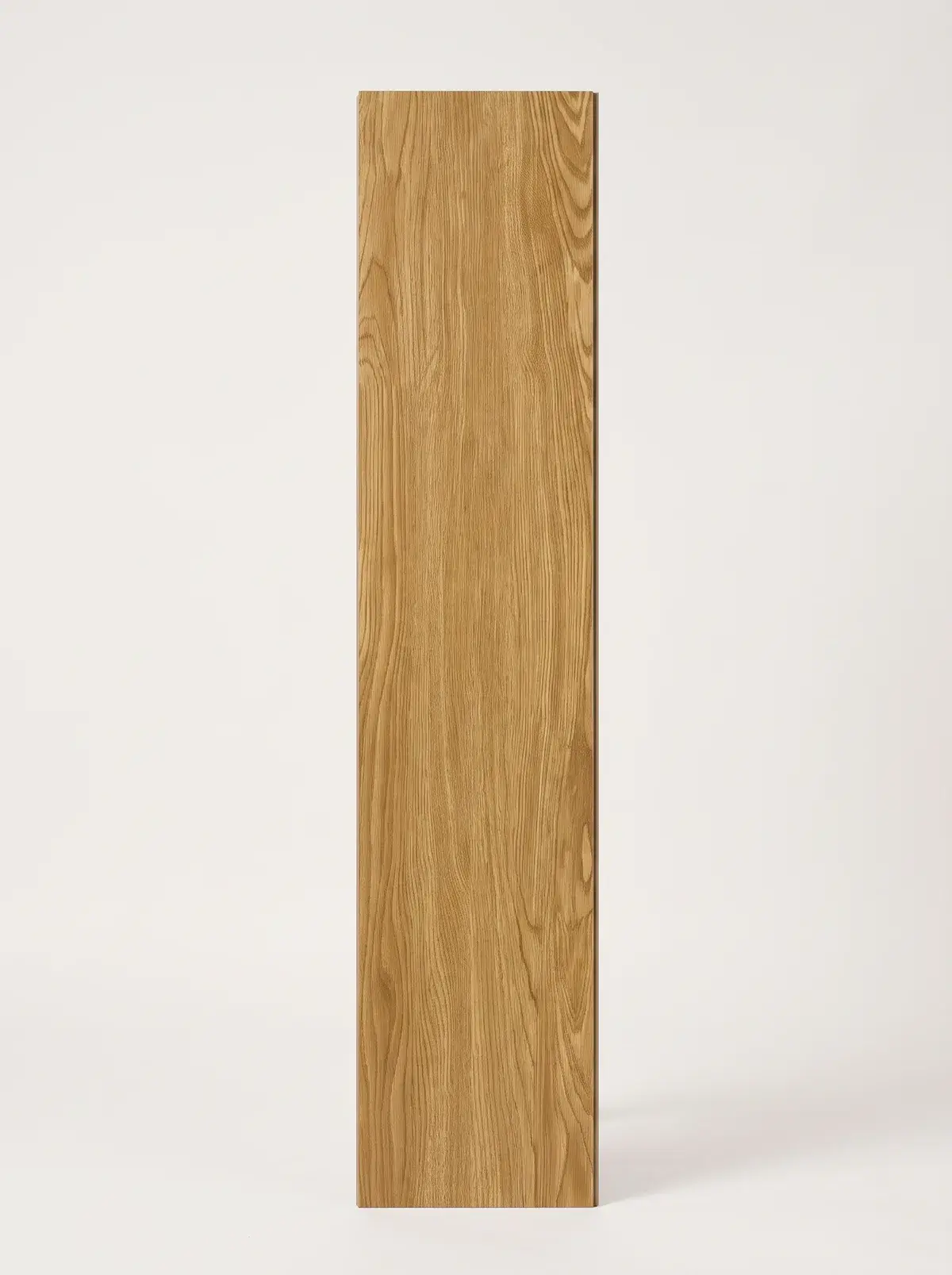
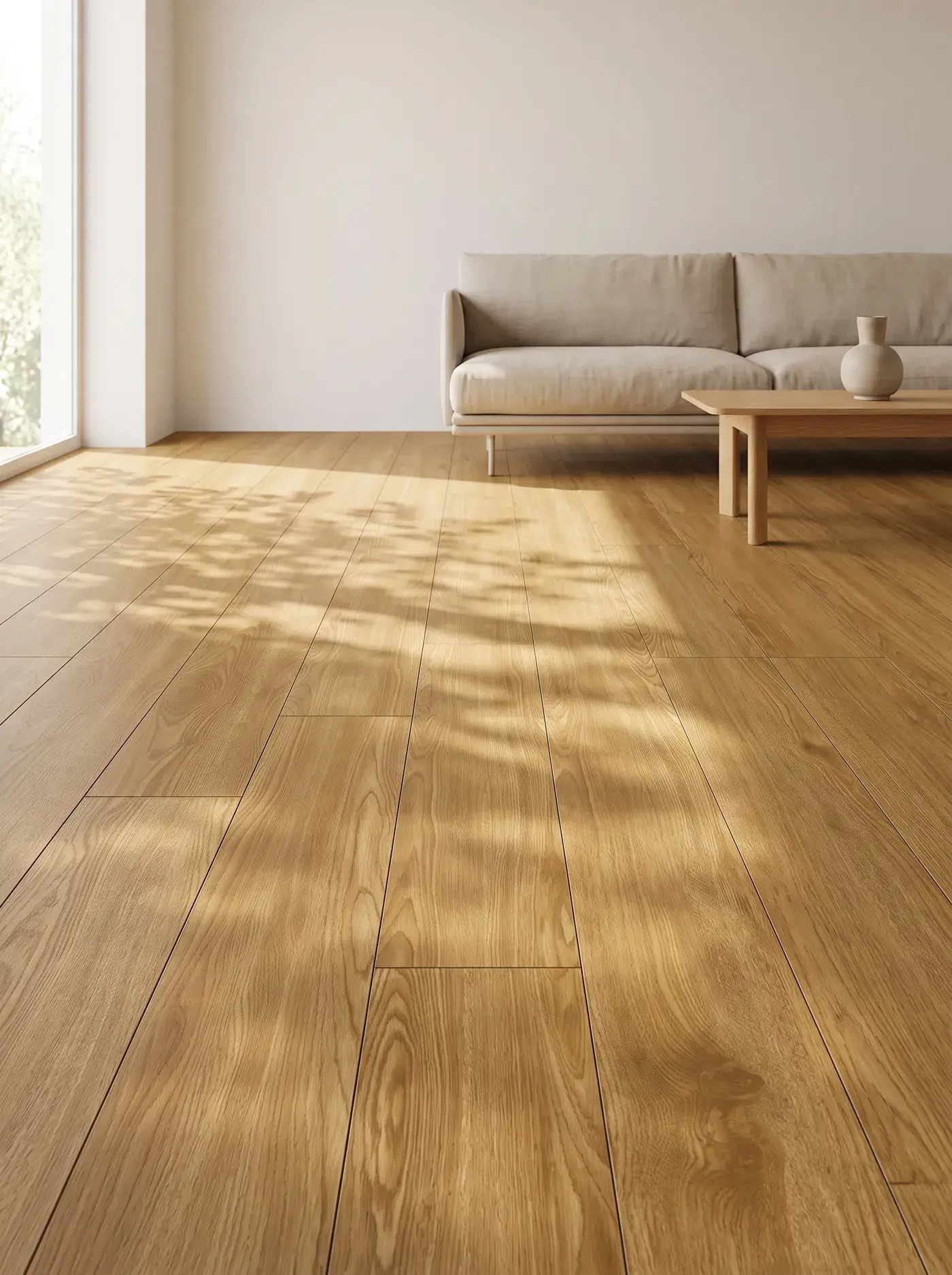
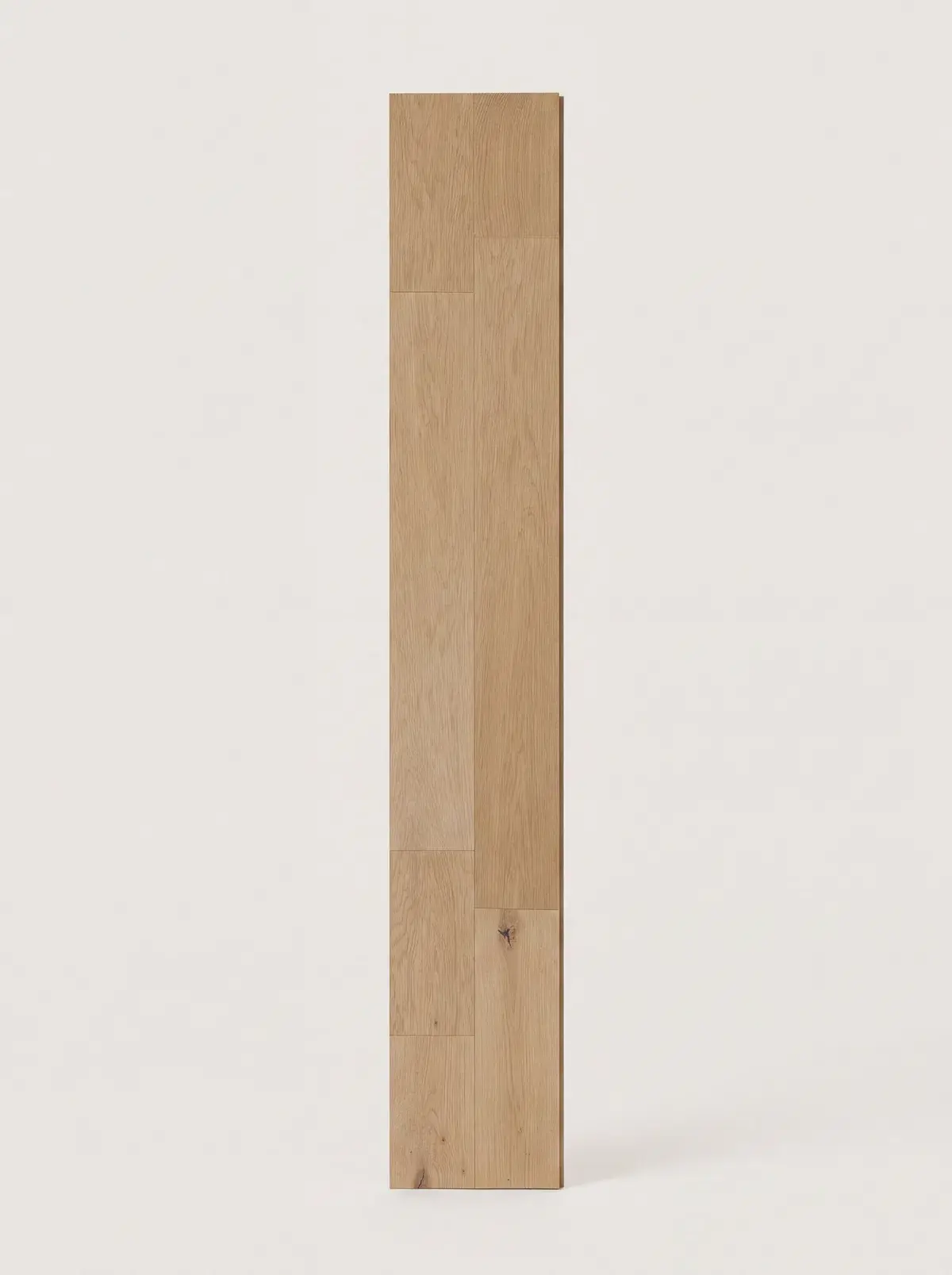
Floors that fit this guide
Browse every floor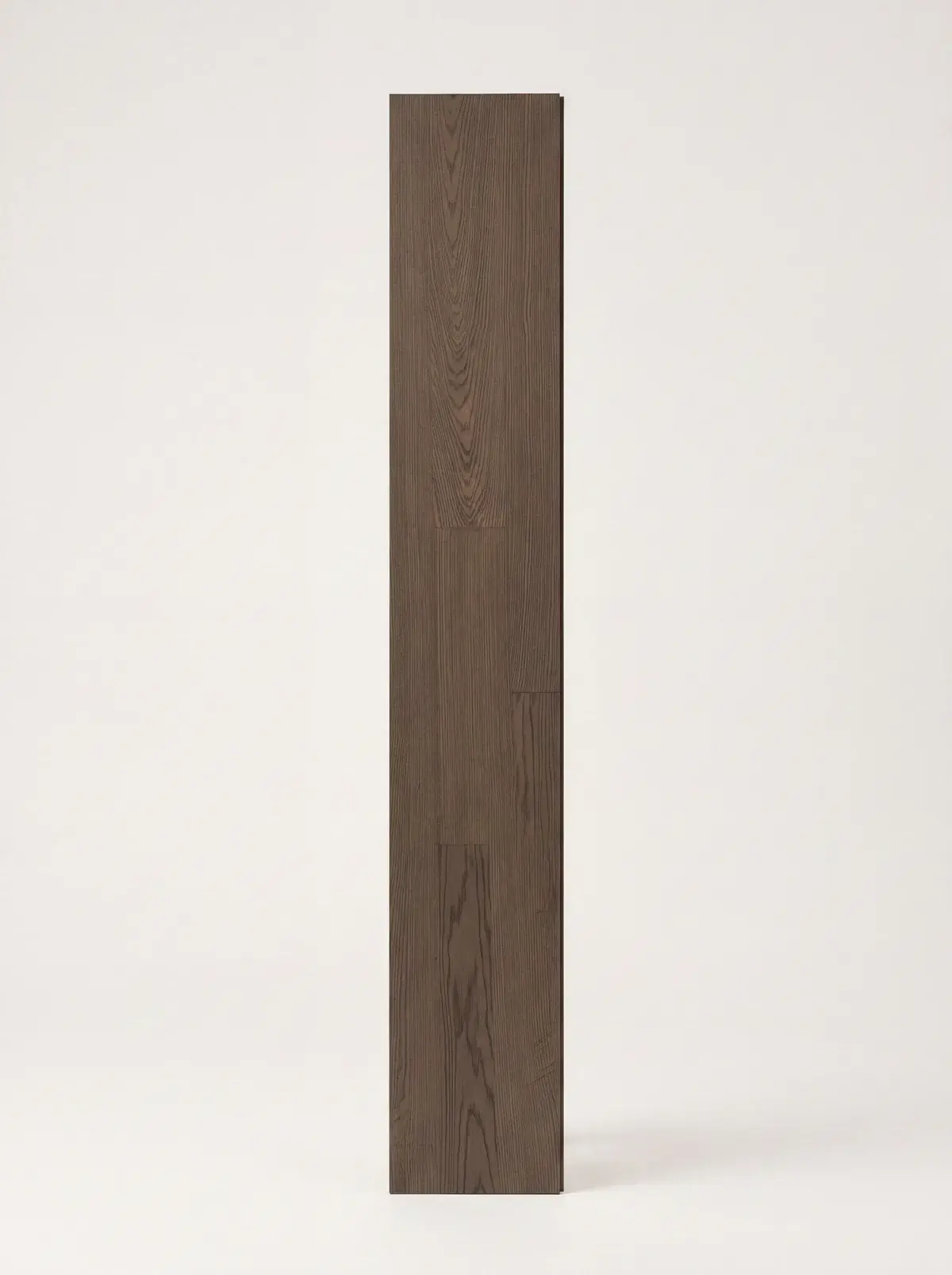
Frequently asked questions
SPC vinyl, after a moisture check of the slab. It has a rigid stone-composite core and an attached pad, and it is what we put below grade. Basements on low ground near Etobicoke Creek, Mimico Creek or the Humber River are where a wood floor is most at risk.
Usually engineered hardwood, yes, glued to the slab, if your building's acoustic rules allow it. Nail-down solid hardwood does not suit a concrete slab. Ask management for the flooring rules before you choose, because each tower sets its own.
SPC vinyl, laminate, engineered hardwood and hybrid engineered are all approved over radiant heat. Solid hardwood is the one type we do not install over it, because a solid board reacts more to the heating cycle. Engineered hardwood is the way to get a real wood surface on a heated floor.
By hand, from a photo. Split-levels have several short runs of stairs and landings, and treads, nosings and landings vary from house to house, so the online estimate captures the stairs and a photo, and we quote them separately rather than guessing.